Stock Market Fundamentals for Teens
Introduction to Stocks
What Is a Stock?
Think of a company as a large pizza. If you buy a slice, you own a piece of that pizza. A stock is like a slice of a company. When you buy a stock, you're buying a small piece of that company's ownership. This makes you a part-owner, also known as a shareholder.
Stock
noun
A security that represents a fractional ownership interest in a corporation.
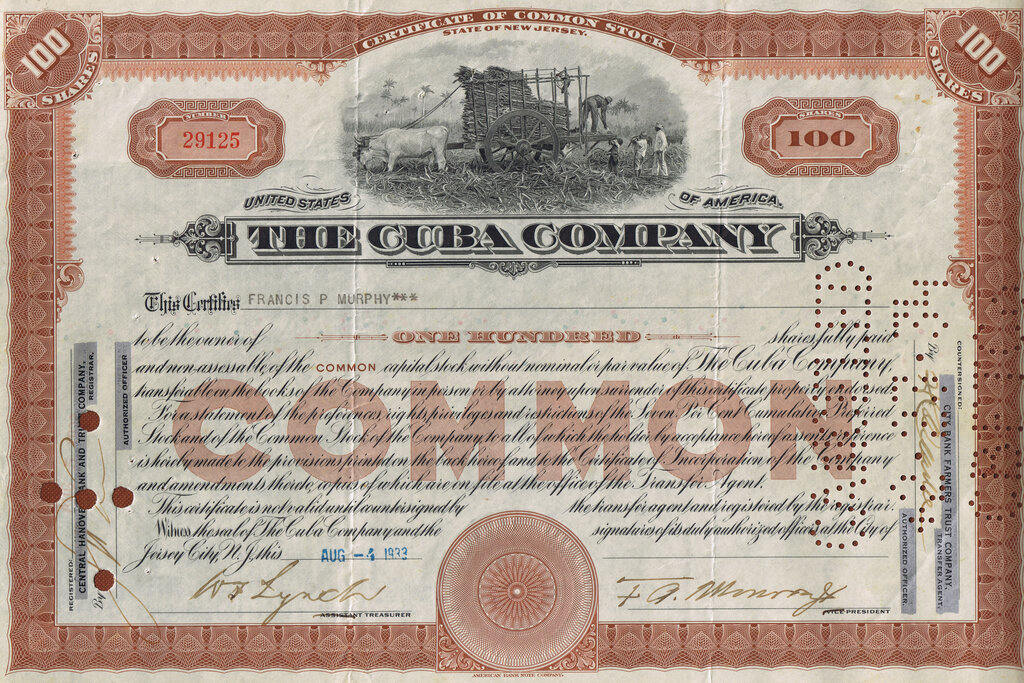
Each piece of ownership is called a share. If a company is divided into one million shares, and you own one share, you own one-millionth of that company. In the past, shareholders received physical paper certificates to prove their ownership. Today, ownership is almost always tracked electronically.
Why Companies Issue Stock
Companies need money, or capital, to grow. They might need funds to launch new products, build factories, hire employees, or expand into new markets. There are two main ways for a company to raise this capital: by borrowing money (debt) or by selling ownership (equity).
Issuing stock is how companies sell equity. They offer shares to the public in exchange for cash. This process is called "going public." It allows a company to raise a lot of money from a wide range of investors without having to pay it back like a loan.
This infusion of cash can fuel significant growth, turning a small startup into a global leader. Investors, in turn, buy the stock hoping the company will be successful, which would make their slice of ownership more valuable over time.
Rights of a Shareholder
Being a part-owner isn't just a title. It comes with certain rights, though the specifics depend on the type of stock you own.
Generally, shareholders have the right to:
- Vote on major company decisions. This can include electing the board of directors, which oversees the company's management, or approving major corporate actions like a merger.
- Receive a portion of the company's profits. When a company earns a profit, it can choose to reinvest it back into the business or distribute it to shareholders. These payments are called dividends.
- Claim a share of the company's assets. If a company is liquidated, shareholders are entitled to a portion of the remaining assets after all debts have been paid.
For most individual investors, the primary motivation for owning stock is the potential for its value to increase, not to influence management. But the right to vote and receive dividends are fundamental aspects of stock ownership.
A dividend is a distribution of a portion of a company's earnings, decided by the board of directors, to a class of its shareholders.
Common vs. Preferred Stock
Not all stocks are created equal. The two main types are common stock and preferred stock. Most people who talk about buying stocks are referring to common stock.
| Feature | Common Stock | Preferred Stock |
|---|---|---|
| Voting Rights | Yes, typically one vote per share | Usually no voting rights |
| Dividends | Variable; paid after preferred shareholders | Fixed; paid before common shareholders |
| Risk & Reward | Higher potential for growth, higher risk | Lower risk, more stable returns |
| Liquidation | Paid last | Paid before common shareholders |
Common shareholders are the true owners of a company. They have voting rights and the potential for unlimited upside if the company performs well. However, they are also last in line to get paid if the company goes bankrupt.
Preferred stock is a bit like a hybrid between a stock and a bond. Preferred shareholders typically receive a fixed dividend payment on a regular schedule, much like the interest on a bond. They also have a higher claim on the company's assets than common shareholders. This makes preferred stock generally less risky, but it also means the potential for growth is limited.
Stocks represent ownership in a company.
Understanding these basics is the first step. A stock is more than just a ticker symbol on a screen; it's a stake in a real business, with rights and potential rewards.