Stock Market Fundamentals for Smarter Investing
Stock Market Basics
What Is a Stock Market?
Think of the stock market as a massive, global marketplace. But instead of selling fruits or cars, this market trades tiny pieces of ownership in public companies. These pieces are called stocks or shares.
When a company wants to grow, build new factories, or invent new products, it often needs a lot of cash. One way to get it is by selling off small slices of itself to the public. This process is called going public. The stock market is where this buying and selling happens. It connects companies that need money with people who have money to invest.
For investors, buying stock means they own a small part of that company. If the company does well and its value increases, the value of their stock can go up too. It’s a way for anyone to potentially share in the success of some of the world's biggest companies.
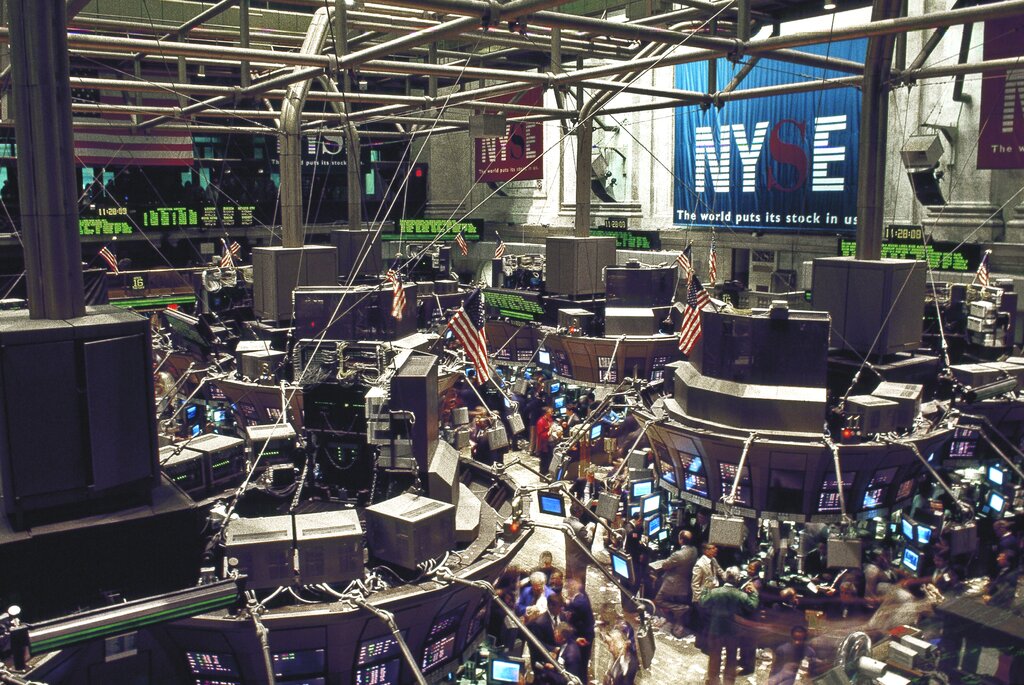
While we often picture frantic traders on a crowded floor, today most trading happens electronically. It's a vast network of computers where millions of trades are executed every second.
Where the Trading Happens
The buying and selling of stocks isn't a free-for-all. It happens in organized, regulated marketplaces called stock exchanges. These exchanges provide the technology and framework to ensure trading is fair and orderly.
Stock Exchange
noun
A marketplace where securities like stocks and bonds are bought and sold.
In the United States, two exchanges dominate: the New York Stock Exchange (NYSE) and the Nasdaq.
New York Stock Exchange (NYSE): Founded in 1792, the NYSE is an auction market. Buyers and sellers come together, and the highest bidding price is matched with the lowest selling price. It's home to many of the world's largest and most established companies.
Nasdaq: This is a younger, all-electronic exchange. Instead of a central trading floor, it's a network of computers. Buyers and sellers trade through dealers, called market makers. The Nasdaq is famous for being the home of many technology giants like Apple, Amazon, and Microsoft.
The Two Flavors of Stock
When a company issues stock, it usually comes in two main types: common and preferred. They both represent ownership in a company, but they come with different rights and benefits.
| Feature | Common Stock | Preferred Stock |
|---|---|---|
| Voting Rights | Yes | Typically No |
| Dividends | Variable; not guaranteed | Fixed; paid out before common stockholders |
| Risk | Higher | Lower |
| Potential Return | Higher (unlimited) | Lower (capped by dividend) |
Most investors buy common stock. It gives them a vote in how the company is run (like electing the board of directors) and the potential for significant growth. If the company hits it big, common stockholders reap the biggest rewards.
Preferred stock is more like a hybrid between a stock and a bond. It offers more stability through fixed dividend payments, which are paid out before common shareholders get anything. However, preferred stockholders usually don't get a say in company decisions and their potential for profit is more limited.
In the event of bankruptcy, preferred stockholders get paid back before common stockholders. This makes preferred stock a less risky investment.
What Moves a Stock's Price?
A stock's price is not random. It's determined by the simple, powerful law of supply and demand.
Supply refers to the number of shares available for sale.
Demand refers to the number of shares people want to buy.
When more people want to buy a stock than sell it (high demand), the price goes up. Conversely, when more people want to sell than buy (high supply), the price goes down. A stock's price is simply the last price someone was willing to pay for it.
So what drives supply and demand?
- Company Performance: Strong earnings, new products, and good news can increase demand.
- Industry Trends: Growth in a whole sector, like artificial intelligence, can lift all related stocks.
- Economic News: Interest rates, inflation, and unemployment figures can affect investor confidence and shift the entire market.
- Investor Sentiment: Sometimes, a stock's price moves based on hype or fear, not just its fundamental value.
How You Get in the Game
In the past, you had to call a person on the phone to buy or sell stocks. That person was a stockbroker. While traditional brokers still exist, most individual investors today access the market through online brokerage platforms.
Think of a brokerage as your gateway to the stock market. You open an account, deposit money, and then you can use their platform (usually a website or a mobile app) to place buy and sell orders for stocks on the major exchanges. These platforms have made it easier and cheaper than ever for anyone to start investing.
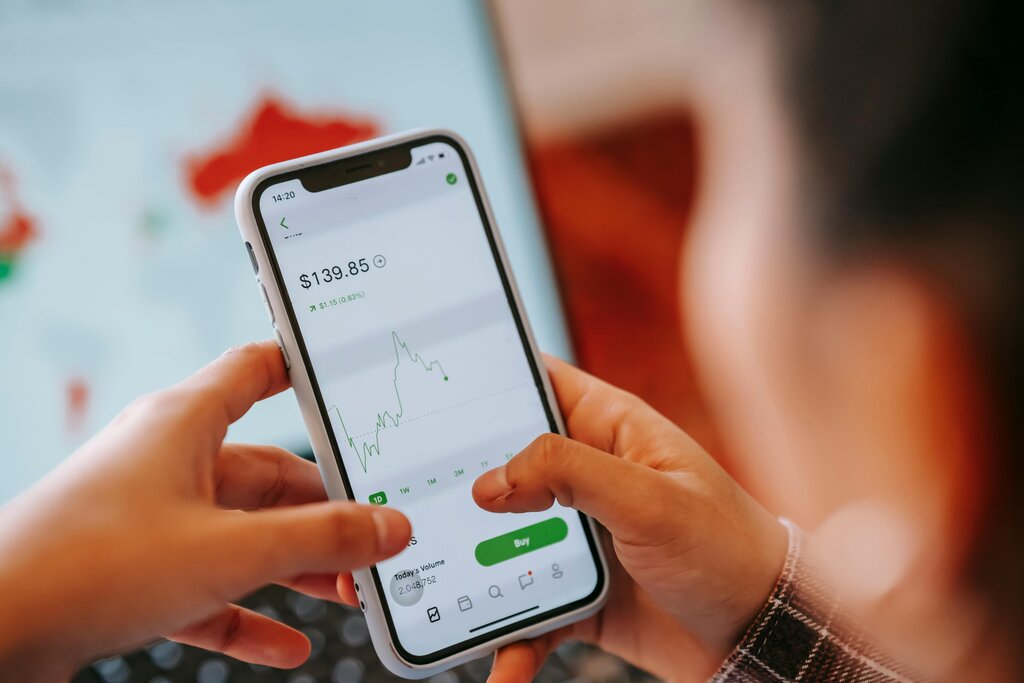
These platforms execute your trade on your behalf, connecting your order with someone on the other side of the transaction in a fraction of a second. They provide the tools, data, and access you need to participate in the market.
What is the primary reason a company "goes public" and sells stock?
An investor wants to prioritize receiving fixed dividend payments and is less concerned with voting on company matters. Which type of stock best fits their goals?
Understanding these core components is the first step. You now know what a stock is, where it's traded, and the basic forces that determine its price.