Stock Market Fundamentals for Smart Investing
Stock Market Basics
What Is the Stock Market?
The stock market is essentially a giant marketplace. But instead of selling fruits or antiques, it's where people buy and sell ownership in companies. When you buy a company's stock, you're buying a small piece of that company, called a share.
Why does this market exist? For two main reasons. First, it allows companies to raise money. By selling off small pieces of itself, a company gets cash to grow, fund new projects, or hire more people. This is called raising capital. Second, it gives individuals a chance to invest in those companies. If the company does well, the value of your share can go up, and you can make money.
Think of it like owning a slice of a pizza. If you own one slice out of eight, you own 1/8th of the pizza. If the pizza becomes more popular and people are willing to pay more for it, the value of your slice goes up. Stocks work in a similar way, just on a much larger scale.
Where Does Trading Happen?
These transactions don't just happen on a street corner. They take place in organized markets called stock exchanges. You've probably heard of the big ones.
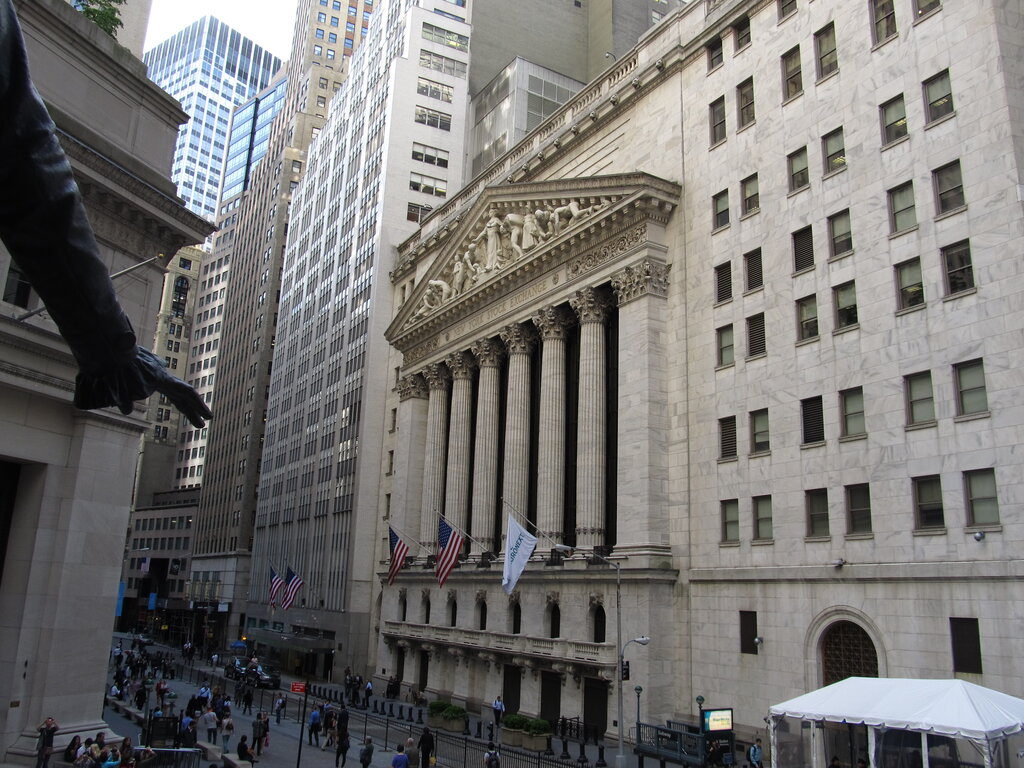
The New York Stock Exchange (NYSE) is one of the oldest and largest. It's famous for its trading floor, though most trading is now electronic.
The NASDAQ is a newer, all-electronic exchange. It's known for being home to many of the world's biggest technology companies, like Apple and Microsoft.
While these are based in the U.S., countries all over the world have their own stock exchanges, like the London Stock Exchange and the Tokyo Stock Exchange. Together, they form a global network where shares are traded every second of the business day.
To actually buy or sell stocks on these exchanges, most people use a broker. In the past, this was a person you'd call on the phone. Today, a broker is usually a company that provides an online platform or a mobile app. These platforms connect your buy or sell order to the stock exchange, making the process quick and accessible.
What Are You Actually Buying?
When you buy a stock, you're buying a share of ownership in a public company. But not all shares are created equal. There are two main types of stock you'll encounter.
stock
noun
A type of security that signifies ownership in a corporation and represents a claim on part of the corporation's assets and earnings.
The two main flavors are common stock and preferred stock. They offer different rights and benefits to the investor.
| Feature | Common Stock | Preferred Stock |
|---|---|---|
| Voting Rights | Yes | Typically no |
| Dividends | Variable; not guaranteed | Fixed; paid before common stock dividends |
| Price Growth | High potential | Limited potential |
| Risk | Higher | Lower |
| Payout Order | Last in line if company liquidates | Paid out before common stockholders |
Most investors buy common stock, hoping the company will grow and the share price will increase. Preferred stock is often favored by those looking for a more stable, fixed income from the dividends.
How Are Prices Decided?
Why does a stock's price go up or down? It's all about supply and demand. Supply refers to how many shares are available for sale, while demand is how many shares buyers want to purchase.
If more people want to buy a stock than sell it, the price goes up. If more people want to sell a stock than buy it, the price goes down.
Many factors can influence this balance. A company reporting great earnings might increase demand. A bad news report about the company's industry could increase supply as people rush to sell. Even broad economic news, like changes in interest rates, can shift investor sentiment and move the entire market.
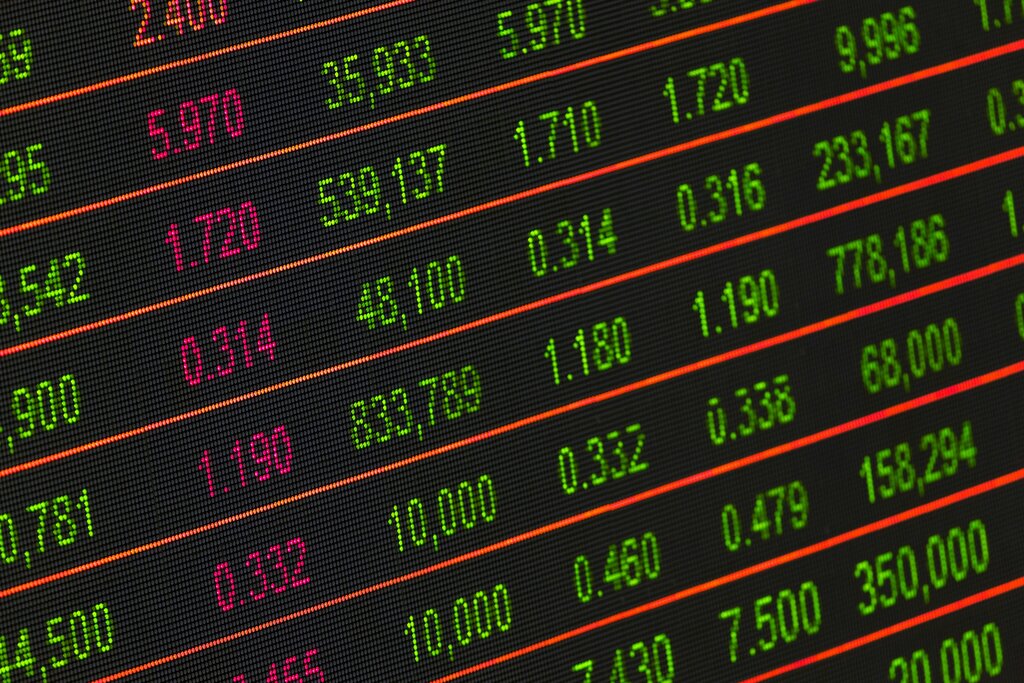
Every trade, no matter how small, contributes to a stock's price. The price you see on your screen is simply the price of the most recent transaction.
What is the primary reason for a company to issue stock?
Buying a share of a company's stock is most analogous to:
That's a quick tour of the stock market's core components. You now know what the market is for, where trading happens, and what determines the value of a stock.