Stock Market Fundamentals for Savvy Investors
Stock Market Basics
What Is a Stock Market?
Think of the stock market as a massive, organized marketplace. But instead of selling fruits or antiques, this market deals in tiny pieces of companies, called stocks or shares. When you buy a stock, you're buying a small slice of ownership in a public company, like Apple or Ford.
Why does this market exist? It serves two main purposes. For companies, it's a way to raise money to grow. By selling shares to the public, they get cash to fund new projects, hire more people, or expand their operations. For individuals, it's a way to invest their money and potentially grow their wealth over time. By owning a piece of a successful company, your investment can increase in value as the company does well.

These transactions don't happen on a street corner. They take place on stock exchanges, which are the official venues for this buying and selling. Two of the biggest and most well-known exchanges in the world are the New York Stock Exchange (NYSE) and the NASDAQ. The NYSE is known for its physical trading floor, though most trading is now electronic. NASDAQ, on the other hand, was the world's first electronic stock market, with no physical trading floor.
Shares With Different Perks
Not all stocks are created equal. When a company issues shares, they usually come in two main flavors: common and preferred. The names give a hint about their differences, but let's break it down.
Most investors you hear about are buying and selling common stock. It's the most, well, common type.
Common Stock is what most people mean when they talk about stocks. If you own common stock, you get voting rights. This means you can have a say in major company decisions, like electing the board of directors. If the company thrives, the value of your common stock can grow significantly. You might also receive payments called dividends, but they aren't guaranteed. The company's board decides if and when to pay them.
Preferred Stock is a bit different. Owners of preferred stock typically don't have voting rights. However, they get priority when it comes to dividends. The dividend amount for preferred stock is usually fixed, and these shareholders get paid before common stockholders. If the company ever goes out of business and has to sell everything, preferred stockholders also get paid back before common stockholders. This makes it a bit less risky, but it often has less potential for huge growth.
| Feature | Common Stock | Preferred Stock |
|---|---|---|
| Voting Rights | Yes | Typically No |
| Dividends | Variable, not guaranteed | Fixed, paid before common |
| Risk Level | Higher | Lower |
| Growth Potential | Higher | Lower |
| Payout Priority | After preferred shareholders | Before common shareholders |
What Moves a Stock's Price?
A stock's price isn't random. It’s determined by the simple, powerful forces of supply and demand. Think of it like an auction.
Supply refers to the number of shares available for sale. Demand is the number of shares people want to buy. When more people want to buy a stock than sell it (high demand), the price goes up. When more people want to sell than buy (high supply), the price goes down.
So what influences supply and demand? A lot of things:
- Company Performance: Strong earnings, new products, and good news can increase demand.
- Industry Trends: If a whole sector (like tech or healthcare) is doing well, stocks in that industry often rise.
- Economic Factors: Interest rates, inflation, and overall economic health affect investor confidence and spending power.
- Market Sentiment: Sometimes, prices move based on investor emotions, like fear or excitement, rather than solid facts.
How You Buy and Sell
You can't just walk up to the New York Stock Exchange and buy a share of stock. You need a middleman. That's where brokers and trading platforms come in.
Broker
noun
A person or firm that arranges transactions between a buyer and a seller for a commission when the deal is executed.
In the past, you had to call a human stockbroker to place an order for you. Today, most people use online brokerage firms or trading apps on their phones. These platforms connect you directly to the stock exchanges, allowing you to buy and sell shares with just a few clicks.
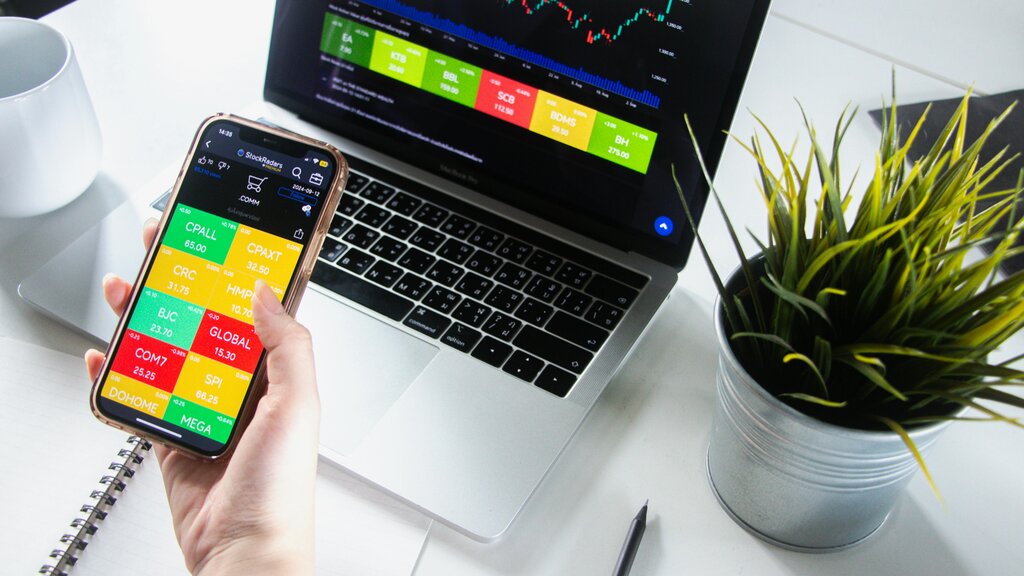
When you want to buy a stock, you place an order through your brokerage account. The platform sends your order to the exchange, where it's matched with someone who wants to sell the same stock. This whole process happens in a fraction of a second. The broker takes a small fee or commission for facilitating the trade. The rise of low-cost and zero-commission trading platforms has made it easier and more affordable than ever for people to start investing.
Ready to see what you've learned? Let's check your knowledge.
What is the primary reason for a company to sell shares of its stock to the public?
Which type of stock typically gives the owner voting rights in major company decisions?
Understanding these core concepts is the first step. You now know what a stock is, where it's traded, and what makes its price move. This foundation is crucial for making smart decisions as you begin to navigate the world of investing.