Stock Market Essentials for Smarter Investing
Introduction to Stock Markets
What Is a Stock Market?
Think of a stock market as a massive, organized marketplace. But instead of selling fruits and vegetables, this market deals in shares of ownership in public companies. These shares are called stocks.
The main purpose of a stock market is twofold. First, it allows companies to raise money to fund their operations and growth. They do this by selling off small pieces of their company (stocks) to the public. Second, it gives the public—people like you—an opportunity to buy those pieces and potentially share in the company's future success. When you buy a stock, you become a part-owner, or shareholder, of that company.
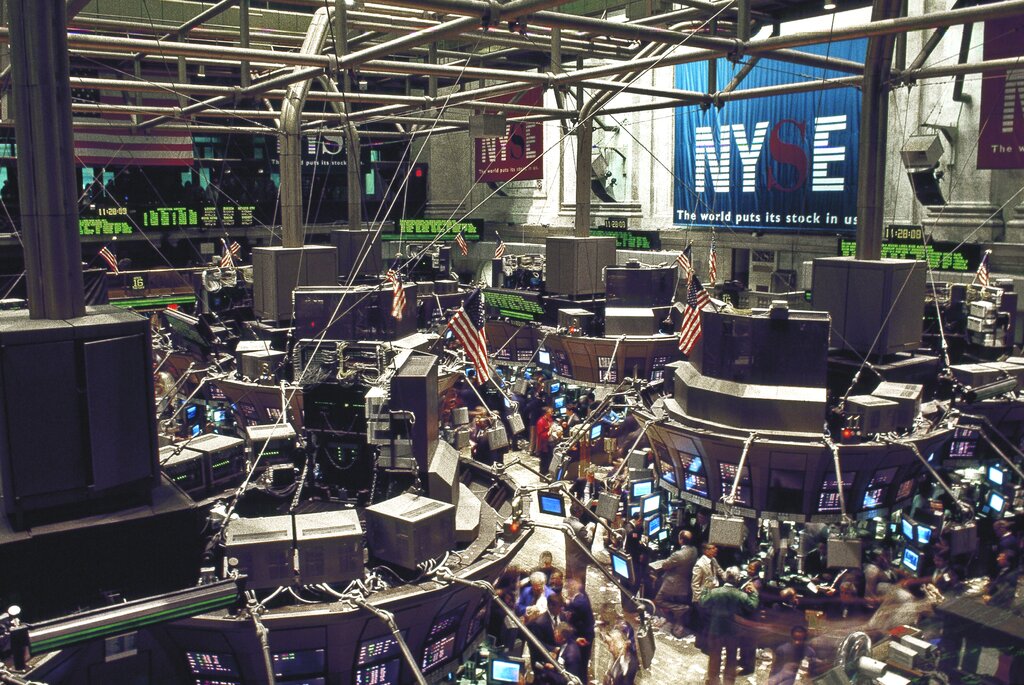
This buying and selling happens in a regulated environment called a stock exchange. An exchange acts as a central location where buyers and sellers can find each other and agree on a price. In the past, this happened with traders shouting orders on a crowded floor. Today, most of this activity happens electronically.
The Major Exchanges
While there are many stock exchanges around the world, two of the largest and most well-known are in the United States: the New York Stock Exchange (NYSE) and the Nasdaq.
The New York Stock Exchange (NYSE) is one of the oldest and is often pictured with its iconic trading floor. It operates as an auction market. Here, buyers and sellers place competitive bids, and the highest bid price is matched with the lowest asking price to make a trade. While much is electronic now, human brokers still play a key role on the trading floor.
The Nasdaq, on the other hand, is a fully electronic market. There's no physical trading floor. Instead, all trades are executed through a vast computer network. It's known for being home to many of the world's biggest technology companies, like Apple, Amazon, and Microsoft.
| Feature | New York Stock Exchange (NYSE) | Nasdaq |
|---|---|---|
| Model | Auction Market (Hybrid) | Dealer's Market (Electronic) |
| Location | Physical trading floor in NYC | No physical floor; a computer network |
| Listing Type | Older, more established companies | Tech-focused and growth companies |
| Famous Listings | Coca-Cola, Johnson & Johnson | Apple, Microsoft, Google |
The Key Players
The stock market isn't just a collection of computers and buildings; it's a network of people and firms playing specific roles. Let's meet the main participants.
Investor
noun
An individual or institution (like a pension fund) that buys stocks with the expectation of earning a return on their money.
Investors are the buyers and sellers of stocks. They can be individuals managing their own savings or large institutions managing billions of dollars. They are the engine of the market.
Broker
noun
A licensed professional or firm that buys and sells stocks on behalf of investors in exchange for a fee or commission.
You can't just walk onto the NYSE and buy a stock. You need a broker to execute the trade for you. Today, most individual investors use online brokerage firms.
Finally, there are market makers. These are firms that stand ready to buy or sell a particular stock at any time. Think of them as wholesalers for stocks. They provide liquidity to the market, which means they make it easier for investors to buy or sell shares whenever they want. A market maker quotes two prices: a price at which they will buy (the bid) and a price at which they will sell (the ask). Their profit comes from the small difference between these two prices, known as the spread.
Tracking the Market with Indices
With thousands of companies listed on stock exchanges, how can you tell how the market is doing overall? That's where stock indices come in.
A stock index is a curated collection of stocks that represents a portion of the market. It's like a statistical snapshot or a report card. By tracking the value of an index, you can get a quick sense of the market's general direction—whether it's up, down, or flat.
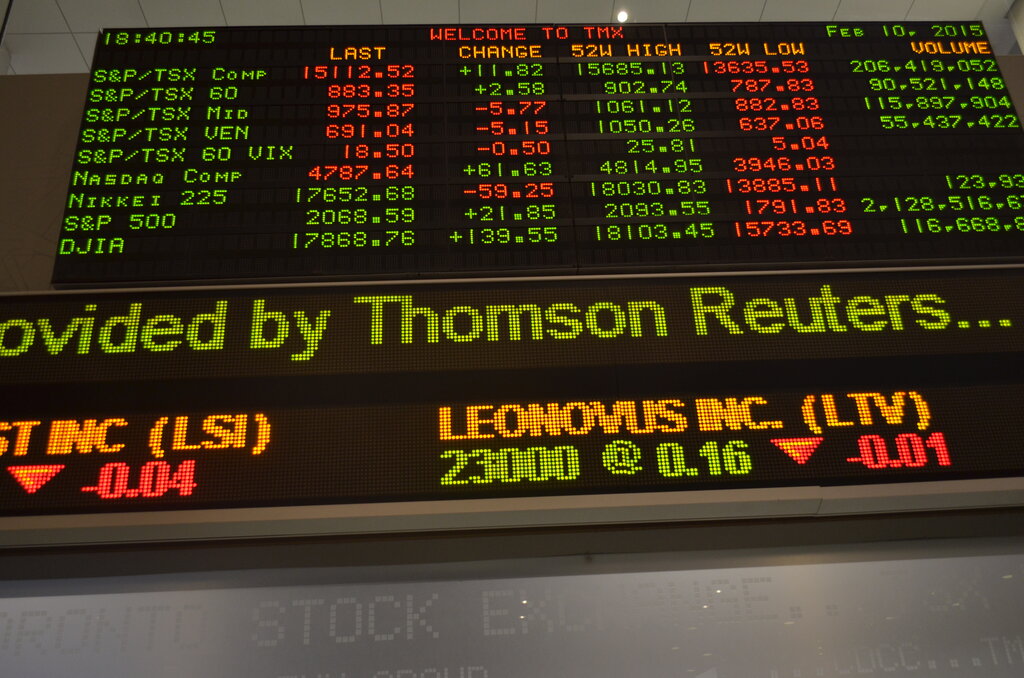
Two of the most frequently cited indices are:
- The S&P 500: This index tracks the performance of 500 of the largest U.S. companies. Because it's so broad, it's often considered the best representation of the U.S. stock market as a whole.
- The Dow Jones Industrial Average (DJIA): Often just called "the Dow," this index tracks 30 large, well-known U.S. companies. While it includes far fewer companies than the S&P 500, its historical significance means it's still widely followed by the media and investors.
When you hear a news report say "the market was up today," they are usually referring to the performance of a major index like the S&P 500 or the Dow.
Understanding these basic building blocks—the purpose of the market, where trading happens, who is involved, and how we measure performance—is the first step to navigating the world of investing.