Stock Investment Essentials
Introduction to Stock Markets
What Is a Stock Market?
A stock market is essentially a network of exchanges where shares of publicly listed companies are bought and sold. Think of it as a massive marketplace, but instead of trading fruits and vegetables, people trade ownership stakes in businesses.
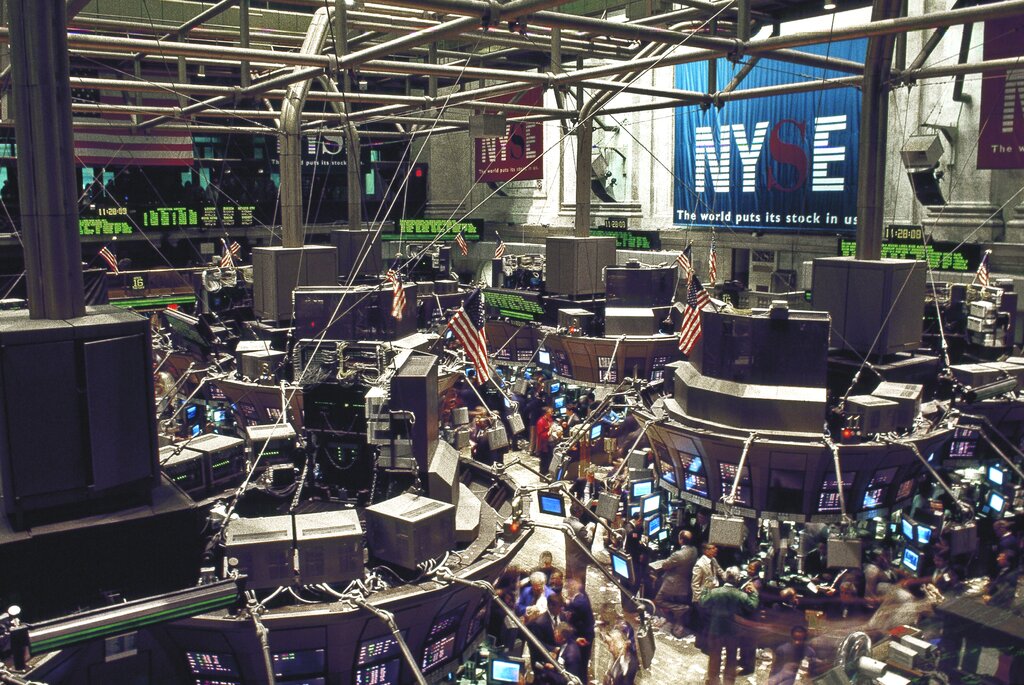
Why does this marketplace exist? It serves two main purposes. For companies, it’s a way to raise money, or capital, to fund expansion, develop new products, or hire more people. For investors, it's an opportunity to own a piece of these companies and potentially see their investment grow as the company succeeds.
Stock
noun
A type of security that signifies ownership in a corporation and represents a claim on part of the corporation's assets and earnings. Also known as shares or equity.
Where Stocks Are Born
Stocks don't just appear on the market. Their journey begins in what's called the primary market. This is where a private company first sells its shares to the public in an event called an Initial Public Offering, or IPO. The company works with investment banks to determine the initial price and amount of stock to sell, raising capital directly from these first-time buyers.
The primary market is for new stocks. The company gets the money from the sale.
After the IPO, things move to the secondary market. This is the stock market most people are familiar with, where investors trade stocks among themselves. When you buy a share of a well-known company on a stock app, you're participating in the secondary market. The company itself isn't directly involved in the transaction and doesn't receive any money from it. The price of the stock here is determined by supply and demand.
The secondary market is for existing stocks. Investors trade with each other.
The Major Players
Several key participants keep the stock market running. At the center are the exchanges, which are the organized marketplaces where the trading happens. Two of the most famous are the New York Stock Exchange (NYSE) and the Nasdaq.
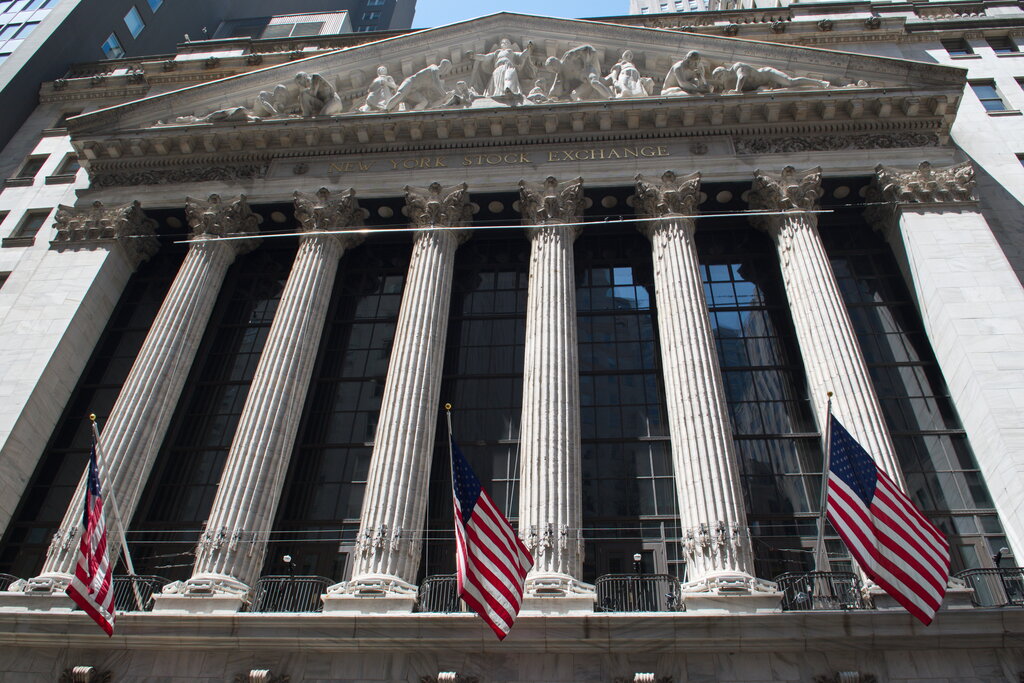
The NYSE is known for its physical trading floor, though most trading is now electronic. Nasdaq, on the other hand, was the world's first electronic stock market and is home to many of the world's largest technology companies.
Then you have the people and firms involved:
- Investors: These are individuals, like you, or institutions (like pension funds or banks) that buy and sell stocks.
- Brokers: They act as intermediaries, executing buy and sell orders on behalf of investors. When you place a trade through a brokerage app, you are using a broker.
- Market Makers: These are firms that stand ready to buy or sell a particular stock on a regular basis at a publicly quoted price. They provide liquidity, which means they make it easier for investors to find a buyer or seller at any given time.
Taking the Market's Temperature
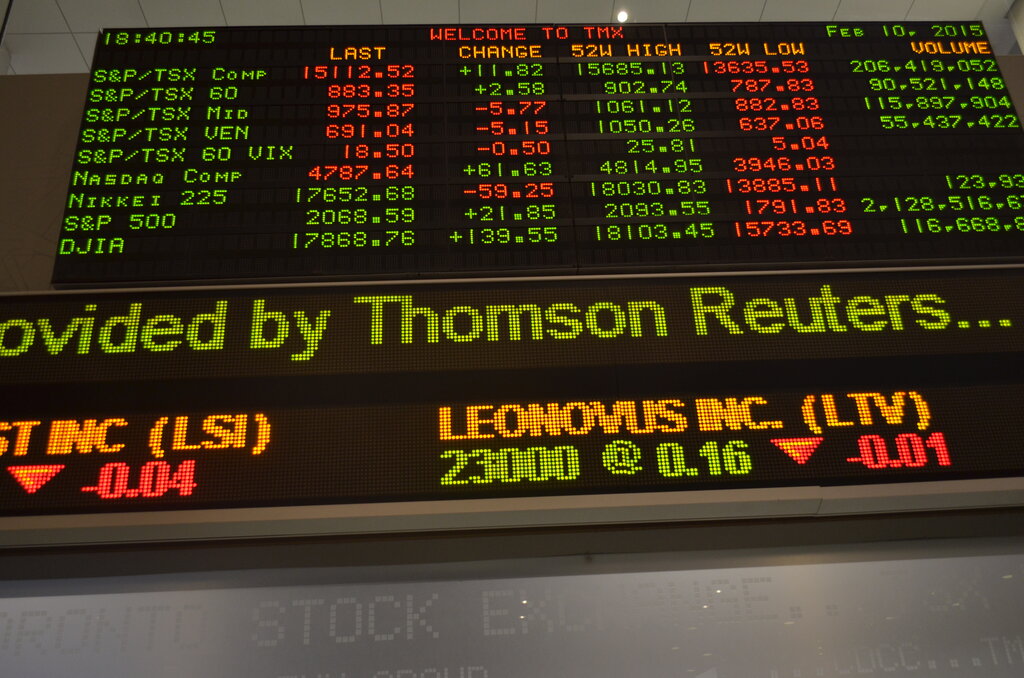
With thousands of companies trading, how can anyone tell how the market is doing overall? That's where stock market indices come in. An index is a curated list of stocks that represents a portion of the market. Its performance is a weighted average of the stocks it contains, giving a quick snapshot of market trends.
Think of an index as a report card for the market or a specific sector of it.
You've likely heard of some of the major indices:
- S&P 500: Tracks 500 of the largest U.S. companies and is often used as a benchmark for the overall health of the U.S. stock market.
- Dow Jones Industrial Average (DJIA): Tracks 30 large, well-known U.S. companies. It's one of the oldest and most-watched indices in the world.
- Nasdaq Composite: Tracks most of the stocks listed on the Nasdaq exchange, so it's heavily weighted toward technology companies.
When you hear a news report say "the market was up today," they are usually referring to the performance of one of these major indices.
Now that you understand the basic structure and purpose of the stock market, let's test your knowledge.
What are the two main purposes of the stock market?
A company raises capital directly from investors by selling its shares to the public for the first time in an event called an Initial Public Offering (IPO), which takes place in the _________.
Understanding these core concepts provides the foundation for exploring the world of investing.