Stock Investing Fundamentals
Introduction to Stock Investing
What Is a Stock?
A stock is a share of ownership in a company. Think of a large pizza. If you buy one slice, you own a small piece of the whole pie. Similarly, when you buy a company's stock, you own a small piece of that company. Each piece is called a share.
Buying a stock makes you a part-owner, or shareholder, of the business.
Why do companies sell these pieces of themselves? The main reason is to raise money, also known as capital. A company might need funds to build a new factory, develop a new product, or expand into new markets. By selling shares to the public, they can get the cash they need to grow without having to take out a loan.
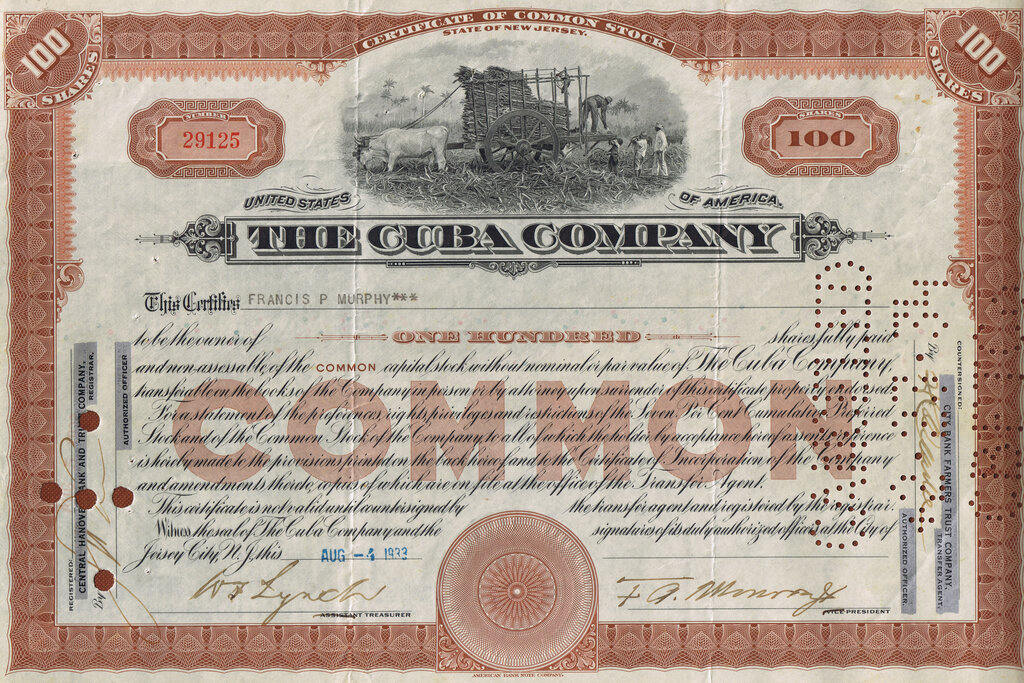
The companies that sell their stock to the general public are called publicly traded companies. This is different from a private company, which is owned by its founders, management, or a group of private investors.
The Stock Market
So, where do you go to buy and sell these shares? This happens on a stock market, also known as a stock exchange. A stock market is essentially a marketplace that connects buyers and sellers of stocks. Some of the most well-known exchanges are the New York Stock Exchange (NYSE) and the Nasdaq.

Stock prices are determined by supply and demand. If more people want to buy a stock than sell it, the price goes up. If more people want to sell than buy, the price goes down. This constant tug-of-war is influenced by many factors, including the company's performance, news about its industry, and the overall health of the economy.
Each publicly traded company has a unique ticker symbol, which is a short code used to identify it on an exchange. For example, the ticker for Apple Inc. is AAPL, and for The Coca-Cola Company, it's KO.
Risks and Rewards
Investing in stocks offers the potential for significant financial rewards. The primary way investors make money is through capital appreciation. This happens when you sell your stock for a higher price than you paid for it. For example, if you buy a share for $50 and sell it a year later for $70, you've made a $20 profit.
Another way to earn from stocks is through dividends. Some companies distribute a portion of their profits to shareholders, typically paid out every quarter.
Dividend
noun
A sum of money paid regularly by a company to its shareholders out of its profits.
However, investing always comes with risks. The biggest risk is that the value of your stock could fall. If the company performs poorly or falls out of favor with investors, its stock price can drop. It's possible to lose your entire initial investment if the company goes out of business.

The key is understanding the relationship between risk and reward. Investments with higher potential returns usually come with greater risk. Stocks have historically provided strong returns over the long term, but their value can fluctuate significantly in the short term.
What does owning a share of a company's stock represent?
What is the primary reason companies issue stock to the public?
Understanding these basic concepts is the first step in your investment journey. It's about owning a piece of a business, participating in its growth, and navigating the balance between potential gains and losses.