Stock Analysis for Investment Decisions
Understanding Financial Statements
The Income Statement
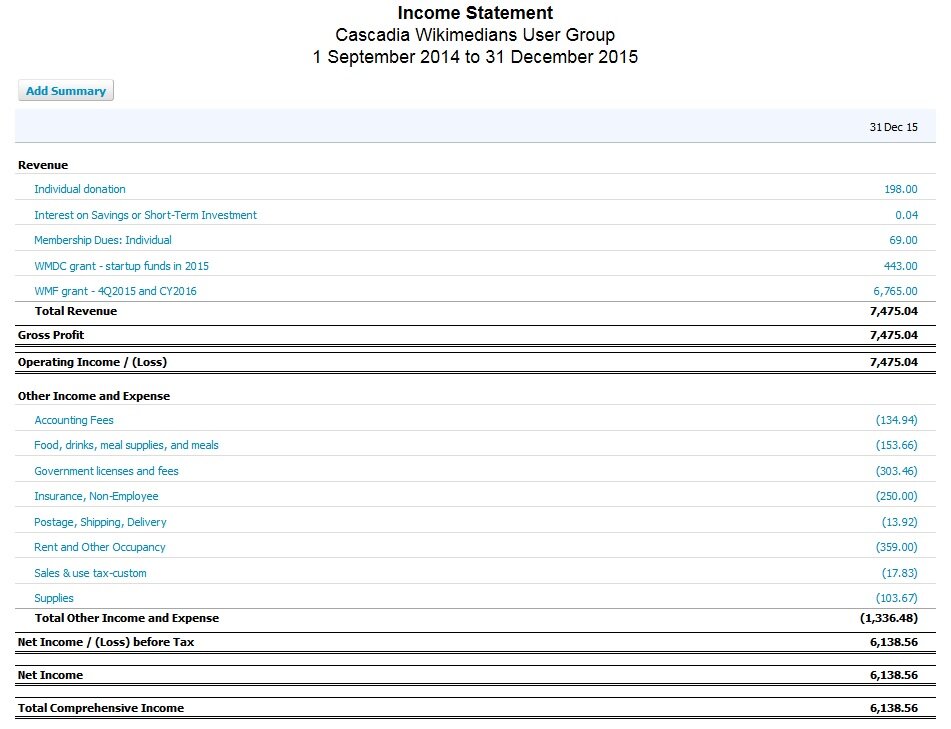
The income statement, also known as the profit and loss (P&L) statement, tells you about a company's financial performance over a specific period, like a quarter or a year. It's essentially a story of revenue coming in and expenses going out.
Revenue
noun
The total amount of money a business generates from the sale of its goods or services. It's often called the "top line" because it's the first line on the income statement.
Starting with revenue, the statement subtracts the costs and expenses incurred to generate that revenue. This includes the direct costs of creating products (Cost of Goods Sold or COGS), as well as operating expenses like salaries, rent, and marketing. What's left at the end is the company's net income, or the famous "bottom line."
This single number shows whether the company was profitable during that period.
| Line Item | Amount | Description |
|---|---|---|
| Revenue | $1,000,000 | Total sales from products. |
| Cost of Goods Sold (COGS) | ($400,000) | Direct costs of making the products. |
| Gross Profit | $600,000 | Profit before operating expenses. |
| Operating Expenses | ($350,000) | Costs like salaries, rent, marketing. |
| Operating Income | $250,000 | Profit from core business operations. |
| Taxes & Interest | ($50,000) | Cost of borrowing and taxes. |
| Net Income | $200,000 | The final profit or "bottom line". |
The Balance Sheet
Unlike the income statement, which covers a period of time, the balance sheet is a snapshot. It shows a company's financial position at a single point in time. It's governed by a fundamental equation that must always, as the name implies, balance.
Asset
noun
A resource with economic value that an individual, corporation, or country owns with the expectation that it will provide a future benefit.
Think of it this way: everything the company owns (its assets) was funded by either borrowing money (liabilities) or through investment from its owners (equity). The balance sheet lays this all out, typically splitting assets and liabilities into current (due within one year) and long-term categories.
A balance sheet gives you a clear picture of a company's net worth at a specific moment.
The Cash Flow Statement
A company can be profitable on its income statement but still run out of money. How? The income statement recognizes revenue when it's earned, not necessarily when cash is received. The cash flow statement bridges this gap by tracking the actual cash moving in and out of the company.
It breaks down cash movements into three main activities:
| Activity | Description | Example |
|---|---|---|
| Operating Activities | Cash generated from normal business operations. | Cash received from customers, cash paid to suppliers and employees. |
| Investing Activities | Cash used for investments to grow the business. | Buying or selling equipment, purchasing another company. |
| Financing Activities | Cash exchanged between the company and its owners/creditors. | Issuing stock, paying dividends, taking out or repaying a loan. |
This statement is crucial for understanding a company's liquidity and solvency. It shows how well a company generates cash to pay its debts, fund its operations, and make investments. A healthy company consistently generates more cash from its operations than it uses.
The Income Statement and Cash Flow Statement together reveal whether reported profits translate into actual cash, assessing the sustainability of profitability.
Together, these three statements provide a comprehensive view of a company's financial health. The income statement shows profitability, the balance sheet shows stability, and the cash flow statement shows liquidity. Analyzing them in unison is the key to truly understanding a business.
Which financial statement would you analyze to determine a company's profitability over the last quarter?
The balance sheet provides a snapshot of a company's financial position at a single point in time.