Steel Erection Gangs in Commercial Construction
Introduction to Steel Erection
Raising the Skeleton
Most large buildings you see—from soaring skyscrapers and sprawling warehouses to massive stadiums and bridges—share a common core: a steel skeleton. The process of assembling this framework is called steel erection. It’s like putting together a giant, high-stakes construction set, where steel columns, beams, and girders are lifted, positioned, and connected to form the building's sturdy frame.
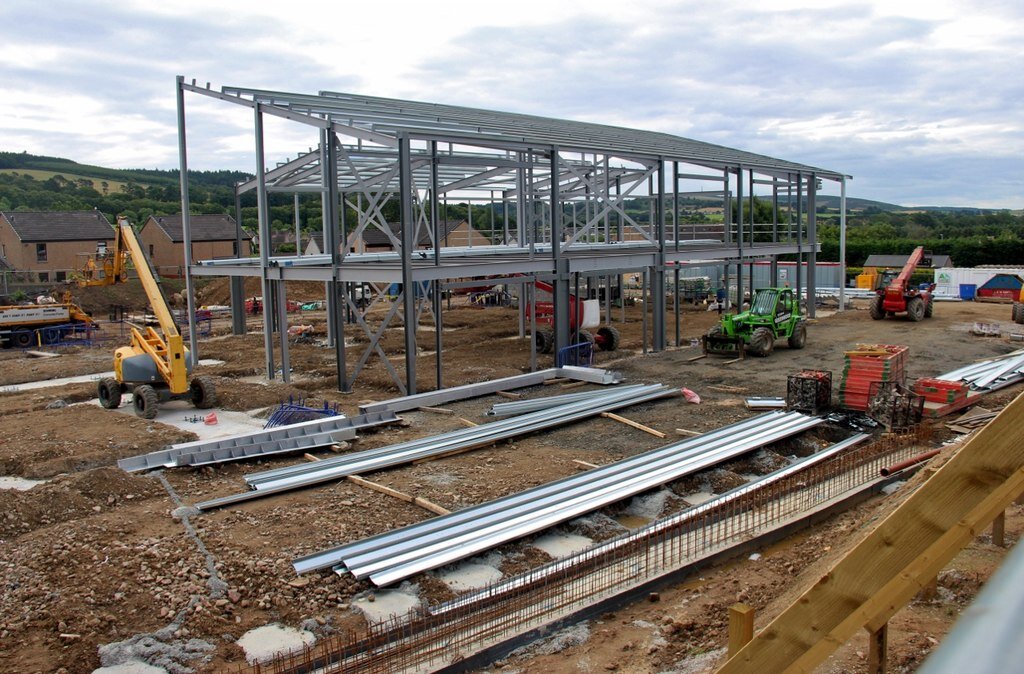
This work is the critical first step in shaping the structure. Once the steel is up, other trades can move in to add walls, floors, wiring, and plumbing. The speed and precision of the steel erection phase set the pace for the entire construction project.
The Erection Gang
Putting a steel structure together isn't a one-person job. It requires a specialized team, often called an erection gang or crew, where each member has a distinct and vital role. They work together like a well-oiled machine.
At the top is the foreman, who supervises the entire operation and ensures the work follows the building plans. The crane operator is the master of the heavy lifting, carefully maneuvering massive steel pieces from the ground up to the structure.
On the ground, the riggers (or hook-on crew) are responsible for selecting the correct piece of steel and safely attaching it to the crane's cables. High above, the connectors wait. These ironworkers guide the suspended beam into place, align the bolt holes, and insert temporary bolts to secure it.
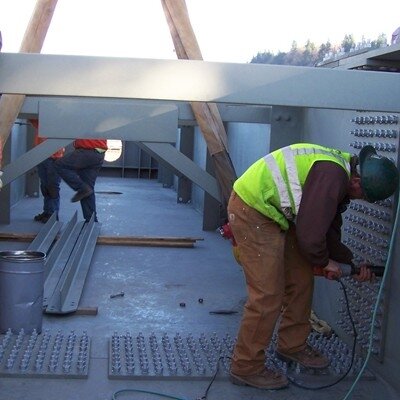
Following them is the bolt-up crew. They use powerful impact wrenches to install and tighten all the permanent, high-strength bolts, making the connections solid. If the design calls for it, welders are brought in to fuse steel components together, creating even stronger, permanent joints.
Every member of the erection gang, from the crane operator on the ground to the connectors high on the frame, must work in perfect sync.
Tools of the Trade
Steel erection relies on a combination of heavy machinery and specialized hand tools. The most visible piece of equipment is the crane. Depending on the site, this could be a towering static crane that grows with the building or a mobile crane that can move around the site.
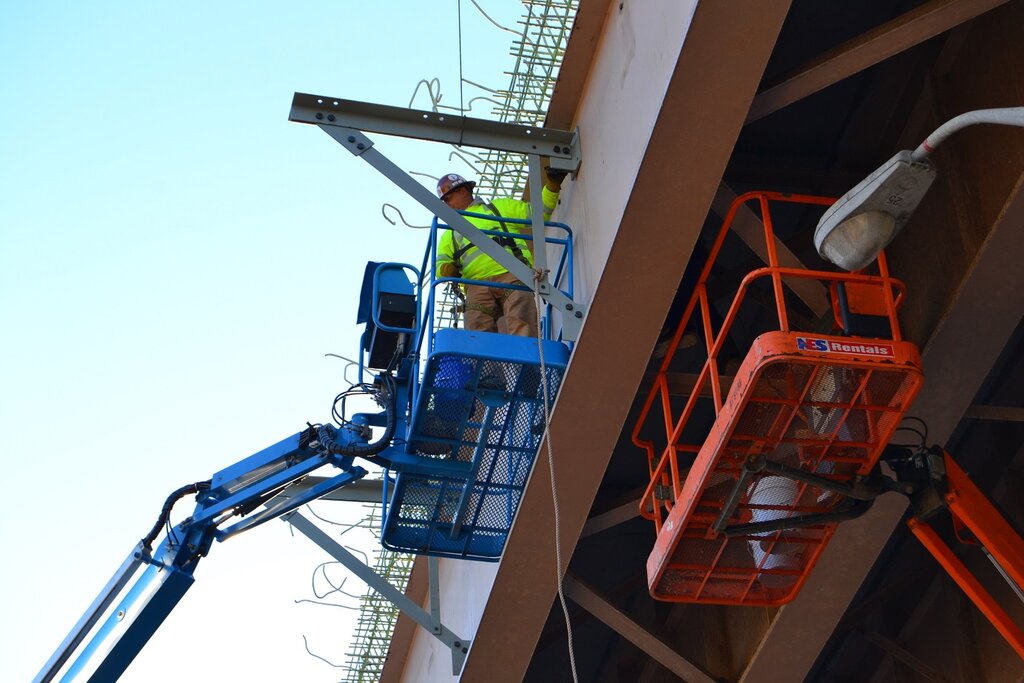
Aerial work platforms, like boom lifts and scissor lifts, are also essential. They provide a safe platform for workers to access different parts of the structure without having to climb.
Ironworkers also carry a set of essential hand tools. A spud wrench is a signature tool, with one end for tightening bolts and a pointed handle for aligning bolt holes. For permanent connections, workers use impact wrenches, which are powerful pneumatic or electric tools that tighten bolts to a specific tension.
Other key tools include sleever bars for prying and aligning heavy steel members, welding machines for joining steel, and various clamps and hammers to get everything to fit just right.
Now let's check your understanding of the basics of steel erection.
In a steel erection crew, which role is responsible for attaching the steel pieces to the crane's cables on the ground?
What is the primary purpose of a spud wrench in steel erection?
That's the basic overview of how a building's steel skeleton comes to life. It's a carefully coordinated effort that combines heavy machinery, specialized tools, and the skill of a dedicated team.