STCW Crisis Management for Cruise Lines
Introduction to STCW
A Global Standard for Safety
Imagine two ships passing in the night. The captain of one vessel was trained in Germany, following rigorous national standards. The chief engineer on the other ship learned their trade in the Philippines, under a completely different system. For decades, this was the reality of the maritime world. Training and certification varied wildly from one country to another, creating unpredictable and sometimes dangerous situations at sea.
To fix this problem, the International Maritime Organization (IMO) stepped in. In 1978, they established a landmark agreement: the International Convention on Standards of Training, Certification, and Watchkeeping for Seafarers, or STCW for short. Its purpose is simple but vital: to create a single, international set of minimum qualifications for masters, officers, and watch personnel on seagoing merchant ships. For the first time, a certificate issued by one country would be recognized and trusted by the rest of the world.
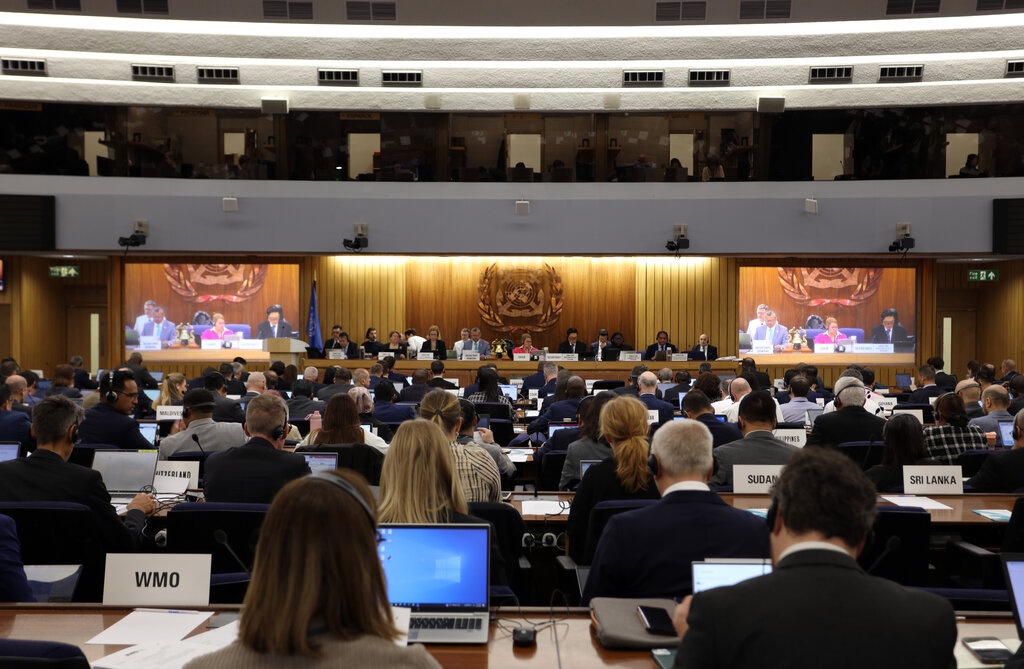
The Why and How of STCW
The STCW Convention didn't just appear out of nowhere. It was born from a need to prevent accidents. By setting a universal baseline for competence, the IMO aimed to significantly reduce maritime casualties caused by human error.
The convention sets qualification standards for personnel on all seagoing vessels, but its impact is especially critical in the cruise industry. A cruise ship is like a floating city, with thousands of passengers and crew. The safety of everyone on board depends on the crew's ability to respond effectively to any situation, from a medical issue to a fire.
The STCW code is a living document. It has been updated several times to keep pace with new technologies and safety practices. The most significant revisions happened in 1995, which thoroughly updated the convention, and in 2010 with the "Manila amendments," which introduced new training requirements for modern challenges like maritime security and environmental protection.
What STCW Covers
The STCW Convention is divided into regulations, which are supplemented by the STCW Code. The Code itself has two parts:
- Part A: This section is mandatory. It details the minimum standards of competence required for different roles on board a ship.
- Part B: This part provides recommended guidance to help countries implement the convention.
For anyone looking to work on a cruise ship, or any seagoing vessel, STCW certification is not optional. It’s a requirement. The most fundamental certification is Basic Safety Training, which covers four key areas.
| Module | What It Covers |
|---|---|
| Personal Survival Techniques | How to abandon ship, use life rafts, and survive at sea. |
| Fire Prevention and Fire Fighting | Understanding the causes of fire and how to extinguish them using basic equipment. |
| Elementary First Aid | Providing immediate medical care for common injuries and illnesses at sea. |
| Personal Safety and Social Responsibilities | Workplace safety, communication, and preventing marine pollution. |
Beyond this basic training, the STCW sets specific standards for different ranks and roles, such as deck officers, engineers, and radio operators. It also covers watchkeeping—the procedures for maintaining a safe and continuous watch on the bridge and in the engine room. For cruise ships, there are additional requirements for personnel, including crowd management and crisis management, ensuring the crew is prepared to handle emergencies involving large numbers of passengers.
Ultimately, STCW ensures that a certified officer from Brazil has the same core competencies as an officer from Japan, creating a reliable, global standard for safety at sea.
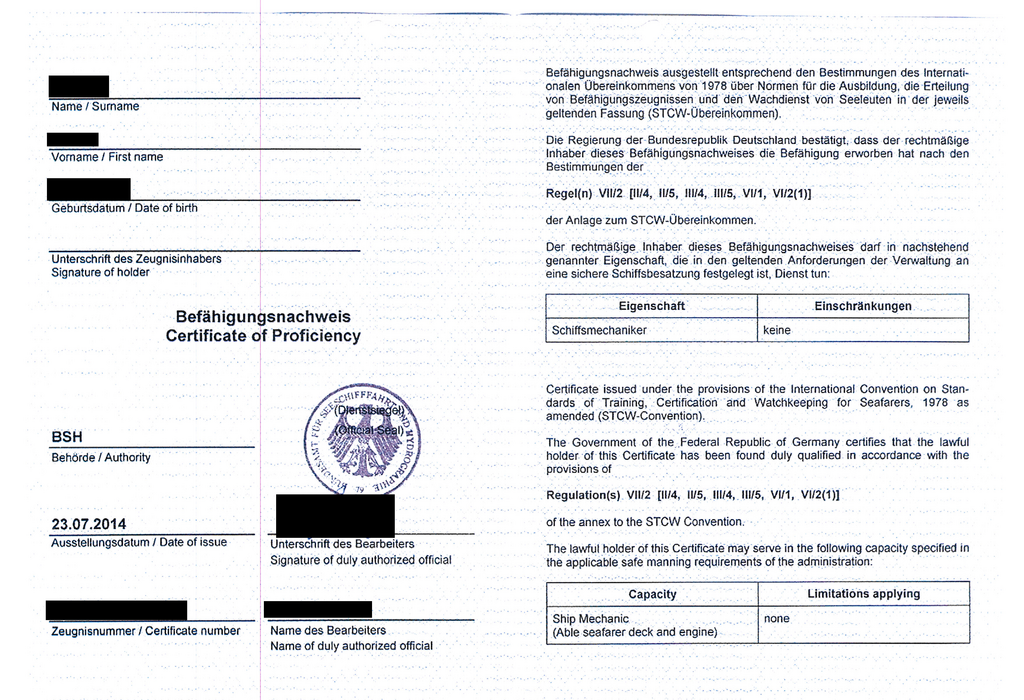
This international agreement is the foundation of modern maritime safety. It ensures that no matter where a crew member is from, they have the essential skills needed to protect themselves, their fellow crew, the passengers, and the marine environment.