Statistics for Life Scientists
Introduction to Statistics
Why Bother with Statistics?
Imagine you're a biologist who's developed a new fertilizer. You give it to one group of plants and a standard fertilizer to another. After a few weeks, you measure their heights. The plants with the new fertilizer are, on average, slightly taller. Success?
Maybe. But what if the plants you chose for the new fertilizer group were already destined to be a bit taller? What if their corner of the greenhouse got a little more sun? Living things are naturally variable. No two plants, people, or bacteria are exactly alike. This variability is the background noise of biology.
Statistics is the tool we use to find the real signal through all that noise. It provides a structured way to collect and analyze data, allowing us to make confident conclusions about what we observe. Without it, we're just guessing.
In essence, statistics helps us tell the difference between a real biological effect and simple random chance.
This process is fundamental to all life sciences. It’s how we know a new drug is effective, how ecologists track changes in a population over time, and how geneticists link specific genes to diseases.
The Language of Data
Before we can analyze anything, we need data. Data are the individual pieces of information we collect in our research. In biology, data generally fall into two main categories.
Qualitative Data
adjective
Describes qualities or characteristics. It's often collected through observations and is non-numerical.
This type of data is about categories. Think of the species of a bird, the shape of a cell (round, flat, irregular), or whether a patient feels 'better' or 'worse' after treatment. It answers questions of 'what kind' or 'which category'.
Quantitative Data
adjective
Refers to data that can be measured and expressed numerically. It's about quantities.
This is numerical data. It could be the height of a plant in centimeters, the number of bacteria in a petri dish, or the concentration of a protein in a blood sample. It answers questions of 'how much' or 'how many'.
| Question | Data Type | Example |
|---|---|---|
| What color is the flower? | Qualitative | Red, white, or pink |
| How many petals does it have? | Quantitative | 5 petals |
| Does the bacteria culture grow? | Qualitative | Yes or No |
| How fast does it grow? | Quantitative | 2 millimeters per hour |
Asking Questions with Variables
In an experiment, the things we measure or change are called variables. Understanding their roles is key to designing a study that actually answers your research question.
The independent variable is the one thing you intentionally change or control. In our fertilizer experiment, it’s the type of fertilizer used. It's the presumed cause.
The dependent variable is what you measure to see the effect of that change. It’s the outcome. For the fertilizer, the dependent variable would be plant height. Its value depends on the independent variable.
Then there are the troublemakers: confounding variables. These are other factors that could also affect your dependent variable, muddying your results. For our plants, this could be differences in sunlight, water, or soil type. A good experimental design tries to control or account for these, so you can be sure the effect you see is from the independent variable and nothing else.
Thinking Like a Statistician
This brings us to statistical reasoning. It’s not just about running calculations after the fact. It’s a way of thinking that begins before you even collect your first piece of data.
By thinking about your variables and data types ahead of time, you can design a better, more powerful experiment. How many plants do you need to test? How will you measure their growth? How will you make sure both groups are treated exactly the same, except for the fertilizer?
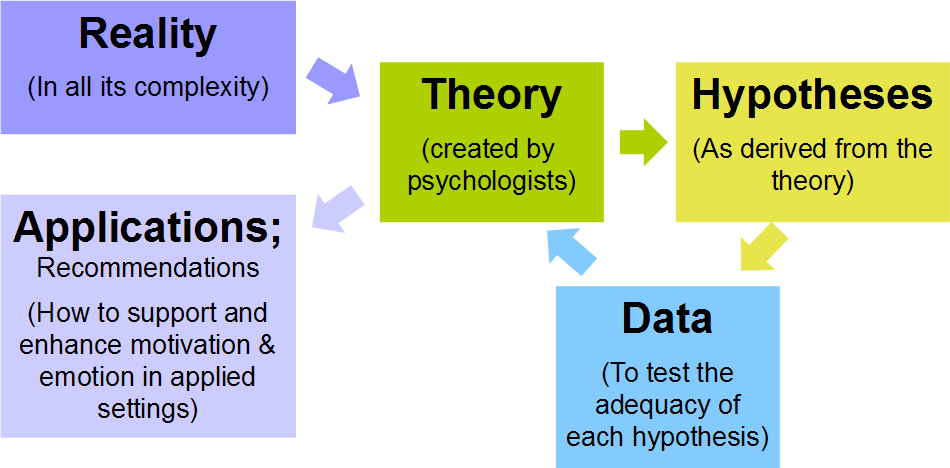
Answering these questions helps you avoid bias and minimize the influence of confounding variables. It ensures that the data you collect can actually answer your research question reliably.
This foundation in careful planning and understanding your data is the first and most important step in using statistics to make discoveries in the life sciences.
Let's review the key terms we've introduced.
Now, check your understanding of these fundamental concepts.