Statistics for Data Science
Introduction to Statistics
What Is Statistics?
Statistics is the science of learning from data. It gives us a set of tools to collect, analyze, interpret, and present information. Think of it as a guide for navigating the world of numbers and making sense of the patterns within.
Every day, you encounter statistics, whether you realize it or not. Weather forecasts use statistical models to predict the chance of rain. Medical studies rely on statistics to determine if a new drug is safe and effective. In data science, statistics is the engine that powers insights, helping us find meaningful trends in vast amounts of information.
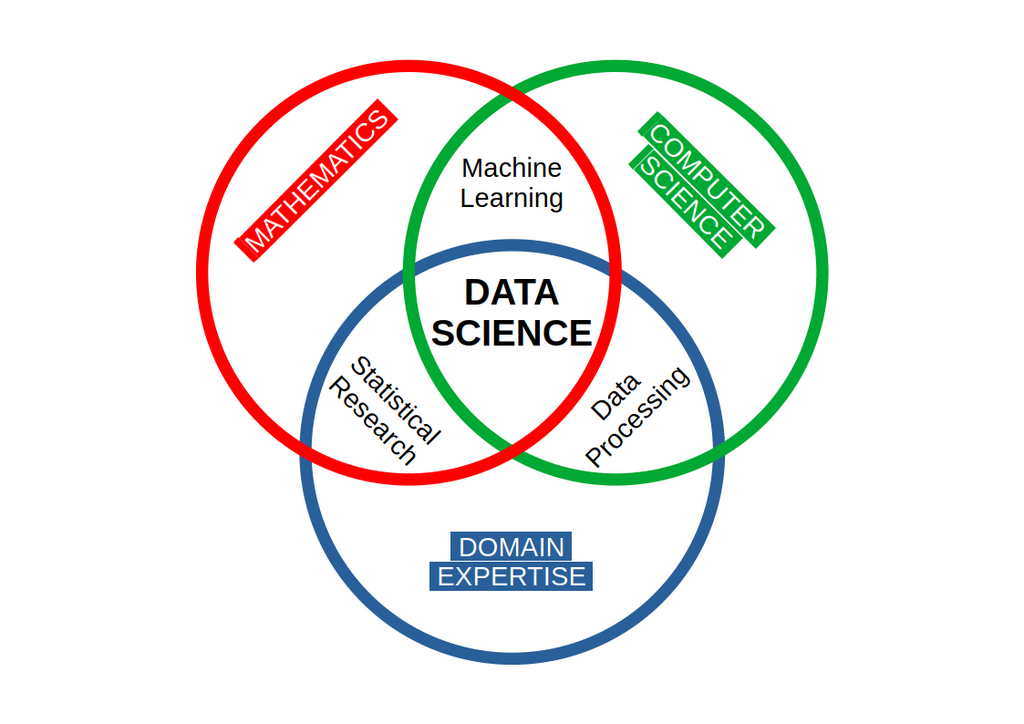
At its heart, statistics helps us move from raw numbers to real understanding. To do this, it's generally split into two main approaches.
Two Sides of the Same Coin
The two major branches of statistics are descriptive and inferential. They work together but have different goals.
Descriptive statistics is like taking a clear photograph of a situation. It summarizes the data you've collected so you can see what's there. It doesn’t make any guesses about a larger population; it simply describes the group you have information on.
Descriptive statistics organizes and summarizes the main features of a dataset.
Examples include calculating the average height of students in a single classroom or creating a bar chart to show the number of pets owned by your neighbors. These are straightforward facts based on the data at hand.
Inferential statistics, on the other hand, is like using that photograph to make an educated guess about something bigger. It uses data from a small group, or a sample, to make predictions or draw conclusions about a much larger group, the population.
Inferential statistics uses data from a sample to make generalizations about a larger population.
For example, a political pollster might survey 1,000 voters (the sample) to predict how the entire country (the population) will vote. Or a car manufacturer might test the fuel efficiency of 100 cars to make a claim about all cars of that model. This process always involves some level of uncertainty, which statistics helps us measure and manage.
Both types are crucial. You need descriptive statistics to understand your sample before you can make reliable inferences about the population.
The Role of Data
Neither descriptive nor inferential statistics can exist without data. Data are the raw materials of statistics. They are the individual pieces of information, measurements, or observations we collect.
Data can be anything from the number of daily visitors to a website, the heights of trees in a forest, to the answers on a customer satisfaction survey. But raw data alone isn't very useful. A long list of numbers doesn't tell a story.
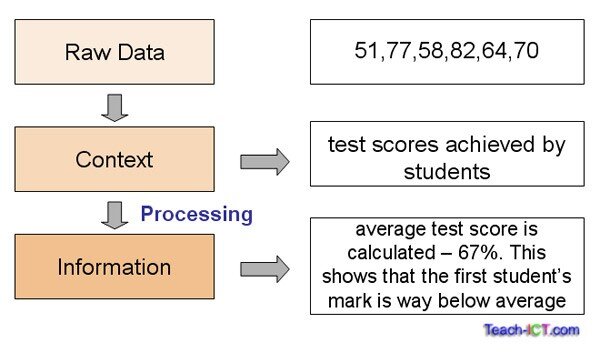
The job of a statistician or data scientist is to give that data context and meaning. This process starts with understanding the data you have. Are the numbers correct? Is anything missing? What do the variables represent?
Once the data is clean and understood, statistical methods are applied to it. This transforms the raw numbers into clear summaries, charts, and predictions. In this way, data is the foundation upon which all statistical analysis is built.
Let's check your understanding of these core concepts.
A political analyst uses a survey of 1,500 likely voters to forecast the outcome of a national election. What type of statistics is primarily being used?
Which of the following best defines descriptive statistics?
Grasping these fundamental ideas prepares you to explore more advanced topics in data science and statistical analysis.