Startup Strategy in Data Consultancy
Understanding Strategic Thinking
Thinking Beyond the Plan
In the fast-paced world of startups, especially in data and consulting, having a plan is essential. But what happens when the market shifts, a competitor makes an unexpected move, or new data points you in a completely different direction? This is where strategic thinking comes in. It’s less about following a rigid roadmap and more about cultivating a mindset that sees the bigger picture.
Strategic thinking is the ability to connect the dots between your daily tasks and your long-term vision. It's about constantly asking why you're doing something, not just how to do it. For a new company, this way of thinking is a critical survival skill. It helps you anticipate challenges before they become crises and spot opportunities that others might miss.
Strategic thinking is future-focused. It's the creative, often messy process of asking 'What if?' to envision possibilities and chart a course through an uncertain landscape.
Thinking vs. Planning
It's easy to confuse strategic thinking with strategic planning, but they are fundamentally different. Think of it like a road trip. Strategic planning is creating the itinerary: booking hotels, mapping the route, and calculating fuel costs. It’s a linear, analytical process designed to get you from Point A to Point B efficiently.
Strategic thinking, on the other hand, is what happens when you discover a scenic detour not on the map, or when a sudden storm closes your planned route. It's about looking at the entire landscape, understanding your ultimate goal (a great vacation), and being willing to adjust your path to create a better outcome. Planning is about executing a known strategy. Thinking is about discovering the right strategy in the first place.
| Feature | Strategic Thinking | Strategic Planning |
|---|---|---|
| Focus | Vision, possibility, the future | Implementation, action, the present |
| Process | Creative, intuitive, divergent | Analytical, linear, convergent |
| Question | "What should we be doing?" | "How do we do it?" |
| Outcome | A novel perspective or insight | A detailed plan or roadmap |
Adaptability and Innovation
A startup's greatest advantage is its ability to adapt. Unlike large corporations weighed down by bureaucracy, a startup can pivot quickly. Strategic thinking is the engine of this adaptability. It encourages a culture where changing course isn’t seen as a failure, but as a smart response to new information. This might mean shifting your target audience after analyzing user data or redesigning a service based on client feedback.
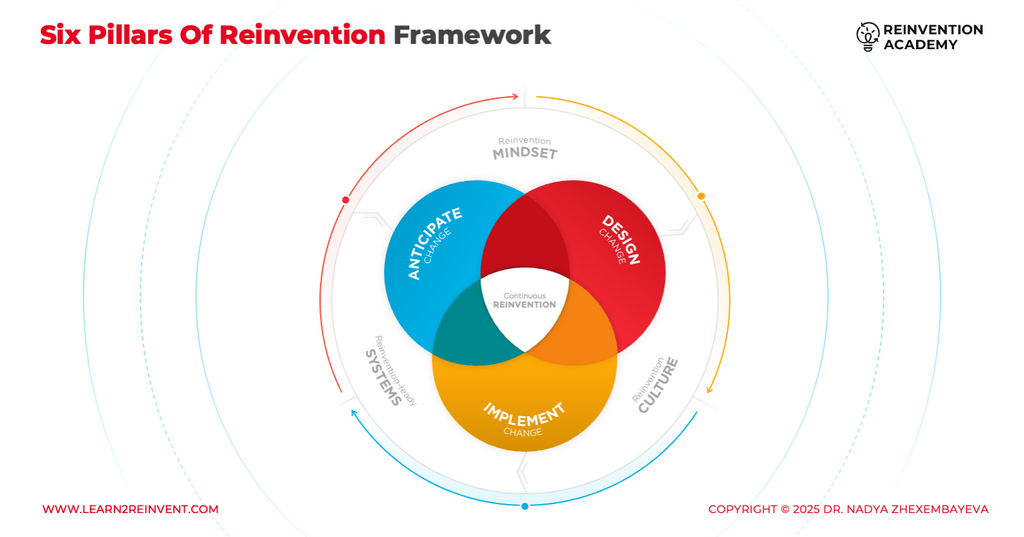
Adaptability is often powered by innovation. Strategic thinking doesn't just help you react to the market; it helps you shape it. By constantly questioning assumptions and looking for unmet needs, you can develop new services or processes that give you a competitive edge. Innovation isn't just about inventing a new product; it can be a smarter way to analyze data, a more effective way to collaborate with clients, or a unique business model that disrupts the industry standard.
Strategy in Action
Let's consider a couple of brief examples. Imagine a small data analytics startup that initially plans to serve large corporations. Through strategic thinking, the founders notice a growing, underserved market of small businesses that need simple, affordable analytics. They pivot their strategy to target this new niche, creating a simpler product and a different pricing model. Their adaptability turns a potential struggle into a major success.
Or think of a consultancy that uses strategic thinking to innovate its service delivery. Instead of just producing reports for clients, they develop an interactive dashboard that allows clients to explore the data themselves. This not only adds more value but also creates a stickier, long-term relationship. This wasn't in their original business plan; it emerged from thinking strategically about how to better serve their clients.
Which of the following best describes the difference between strategic thinking and strategic planning?
A startup's ability to quickly change its business model in response to new market data is known as adaptability. Strategic thinking is the engine that drives this adaptability.
Ultimately, strategic thinking is a continuous practice, not a one-time event. It’s about building a culture of curiosity, foresight, and flexibility that allows your startup to not just survive, but thrive.