Startup Runway Forecasting
Understanding Cash Flow
The Lifeblood of Your Business
Think of your startup's bank account as a bucket. Money comes in when you make a sale or get a loan, filling the bucket. Money goes out when you pay rent, salaries, or buy supplies, draining it. Cash flow is simply the movement of this money in and out of your business.
Cash flow is the lifeblood of any startup.
It’s not a complicated idea, but it’s the most critical indicator of your company's immediate health. If your bucket runs dry, you can't pay your bills, no matter how great your idea is. Managing this flow is essential for survival.
Inflows and Outflows
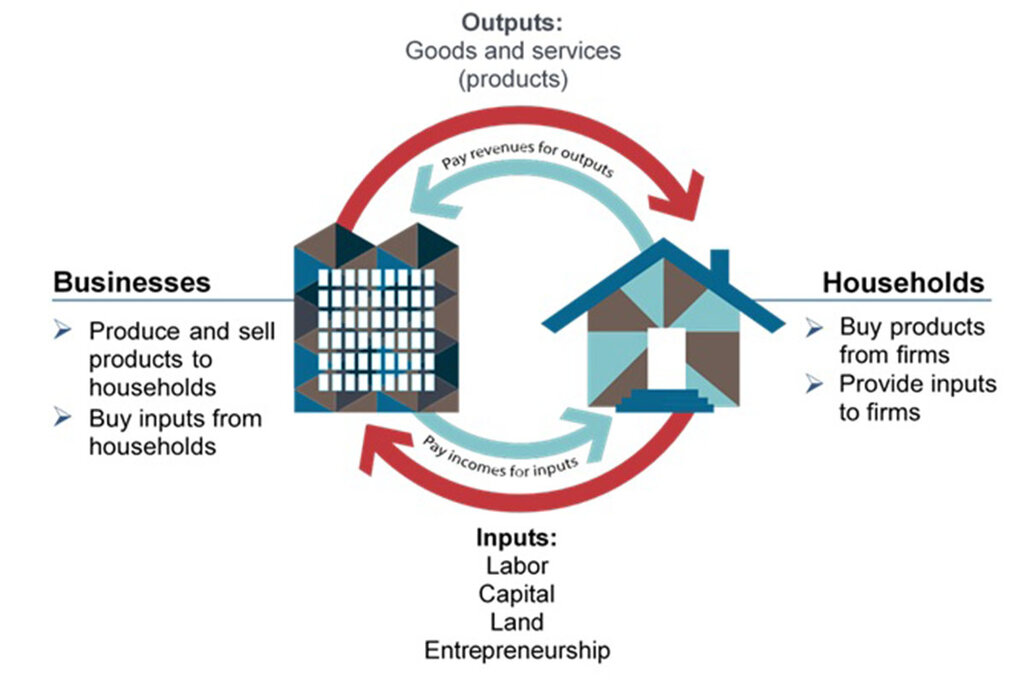
Cash flow has two sides: the money coming in (inflows) and the money going out (outflows). Understanding both is key.
| Common Cash Inflows | Common Cash Outflows |
|---|---|
| Customer payments for goods or services | Employee salaries and benefits |
| Investor funding (seed, venture capital) | Rent for office space |
| Bank loans | Payments to suppliers |
| Selling assets (like old equipment) | Marketing and advertising costs |
| Tax refunds | Software subscriptions |
Inflows are your company's source of oxygen. The most important inflow for a healthy business is revenue from customers. While investment and loans can provide a boost, a business can't survive on them forever.
Outflows are the costs of doing business. They can be fixed, like rent, or variable, like the cost of raw materials. Tracking every outflow helps you see where your money is going and where you might be able to cut back.
Profit Isn't Cash
This is a crucial distinction that trips up many new founders. A company can be profitable on paper but still run out of cash and fail. How is this possible?
Profit is an accounting concept. It’s your revenue minus your expenses over a period. But not all revenue is cash in hand, and not all expenses are paid immediately.
Imagine you run a web design agency. You finish a 💲5,000 project for a client in January. You record that 💲5,000 as revenue, making you look profitable for the month. But your client's payment terms are 60 days, so you won't actually receive the cash until March. In the meantime, you still have to pay your own bills in January and February.
In that scenario, you are profitable but have negative cash flow. You have more money going out than coming in. This is a cash flow gap, and it can be dangerous. A business needs actual cash to operate day-to-day.
A profitable business can still fail if cash flow is mismanaged.
Keeping a close eye on your cash balance is just as important as tracking your profitability. Positive cash flow means you have more money coming in than going out during a specific period. This surplus gives you the flexibility to invest in growth, handle unexpected expenses, and build a safety net.
Let's check your understanding of these core ideas.
What is the best definition of cash flow?
A business can be profitable according to its income statement, but still go out of business due to a lack of cash.
Mastering cash flow is about ensuring you always have the funds to keep your business running and growing. It's a fundamental skill for any entrepreneur.