Startup Runway Forecasting
Understanding Cash Flow
What is Cash Flow?
Think of cash flow as the movement of money into and out of your business. It's the real, tangible cash you have on hand to pay bills, salaries, and other expenses. When customers pay you, cash flows in. When you pay your suppliers, rent, or employees, cash flows out.
Cash flow is the lifeblood of any startup.
Positive cash flow means more money is coming into your business than is going out over a specific period. Negative cash flow is the opposite. A startup can be profitable on paper but still fail if it runs out of cash. This simple fact is why understanding cash flow is a survival skill for founders.
Monitoring this movement is called cash flow management. It's about ensuring you have enough cash to cover your obligations when they're due.
Profit vs Cash Flow
It's a common mistake to think that profit and cash flow are the same thing. They are not.
Profit is an accounting concept. It’s what's left after you subtract your expenses from your revenues on an income statement. But revenue isn't always cash. For example, if you send a customer an invoice for $10,000, you can record that as revenue. You are technically profitable, but you don't have the cash until the customer actually pays.
Cash flow is about the actual money in your bank account. That $10,000 invoice doesn't improve your cash flow until it's paid. If your rent is due before the customer pays, you have a cash flow problem, even if you're profitable.
A business can be profitable but go bankrupt. It can also be unprofitable but survive, as long as it has access to cash (from loans or investors) to cover its spending.
Let's look at a simple comparison.
| Concept | Focus | Timing | Example |
|---|---|---|---|
| Profit | Revenue & Expenses | Accrual basis (when earned/incurred) | You sell $5k of goods, costs are $2k. Profit is $3k, even if the customer hasn't paid yet. |
| Cash Flow | Cash In & Cash Out | Cash basis (when received/paid) | You have $1k in the bank. You pay $500 rent. Your cash flow is negative $500. |
The Cash Flow Statement
To track cash flow, businesses use a cash flow statement. This financial report shows exactly how cash has moved through the company over a period of time, like a month or a quarter. It breaks down cash flow into three main categories.
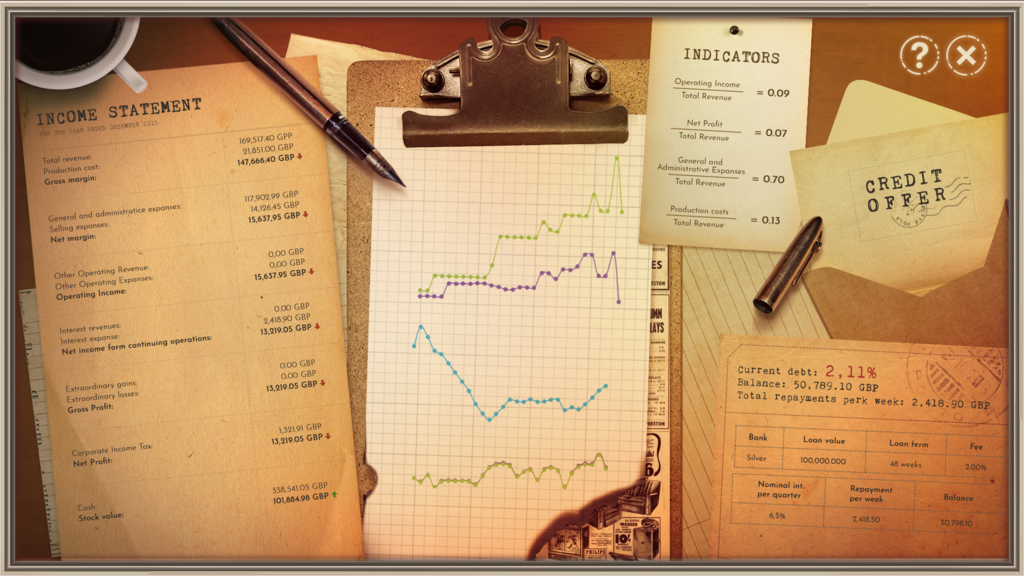
1. Operating Activities This is cash generated from your main business operations. It includes cash received from customers and cash spent on things like inventory, salaries, and rent. For a healthy business, this number should consistently be positive. It shows that your core business can generate enough cash to sustain itself.
Think of operating activities as the cash flow from the day-to-day running of your company.
2. Investing Activities This section tracks cash used for investments to grow the business. This includes buying or selling long-term assets like equipment, property, or other businesses. A growing startup often has negative cash flow from investing activities because it's spending money on resources to scale up.
Investing activities represent cash spent on or gained from major purchases or sales of assets.
3. Financing Activities This category includes cash flow between the company and its owners or creditors. Examples include raising money from investors (a cash inflow), paying dividends (a cash outflow), or taking out and repaying loans. For a startup, this section will show cash coming in from funding rounds.
Financing activities track how you're funding the company—through debt or equity.
By adding up the cash flows from these three areas, you can see the net change in your cash balance for the period. This helps you understand where your cash came from and where it went.
Ready to check your understanding?
Which of the following best describes cash flow?
A company can be profitable according to its income statement but still run out of cash and fail.
Managing cash flow is not just an accounting task; it's a fundamental part of business strategy. By keeping a close eye on your cash, you can make smarter decisions, plan for the future, and build a more resilient company.