Startup Runway Forecasting
Understanding Startup Financials
Your Startup's Financial Story
Every business, no matter how small, tells a story with its numbers. For a startup, this story is told through three key documents: the Balance Sheet, the Income Statement, and the Cash Flow Statement. Think of them as three different chapters that, when read together, give you a full picture of your company's financial health.
The three key financial statements work together. The Balance Sheet, Income Statement, and Cash Flow Statement form a complete picture of profitability, stability, and cash management.
Let's break down each one. Understanding them is the first step toward making smart decisions and guiding your startup to a stable future.
The Balance Sheet
The balance sheet is a snapshot of your company's financial position at a single point in time. It shows what your company owns (assets) and what it owes (liabilities). The difference between the two is your equity.
It's called a balance sheet because it's based on a fundamental equation that must always balance.
Here's what each part means:
- Assets: These are the resources your business owns that have economic value. This includes cash in the bank, equipment like computers, and any money owed to you by customers (accounts receivable).
- Liabilities: These are your company's financial obligations or debts. Think of bank loans, bills from suppliers you haven't paid yet (accounts payable), or salaries you owe to employees.
- Equity: This represents the owners' stake in the company. It's the value that would be left for the owners if all assets were sold and all liabilities were paid off. It includes initial investments from founders and any profits the company has kept over time.
| Category | Example Items |
|---|---|
| Assets | Cash, Inventory, Equipment, Office Furniture |
| Liabilities | Bank Loans, Credit Card Debt, Unpaid Bills |
| Equity | Founder's Investment, Retained Earnings |
The Income Statement
If the balance sheet is a snapshot, the income statement is a movie. It shows your company's financial performance over a specific period, like a month, a quarter, or a year. It's often called a Profit and Loss (P&L) statement because it tells you whether you made money.
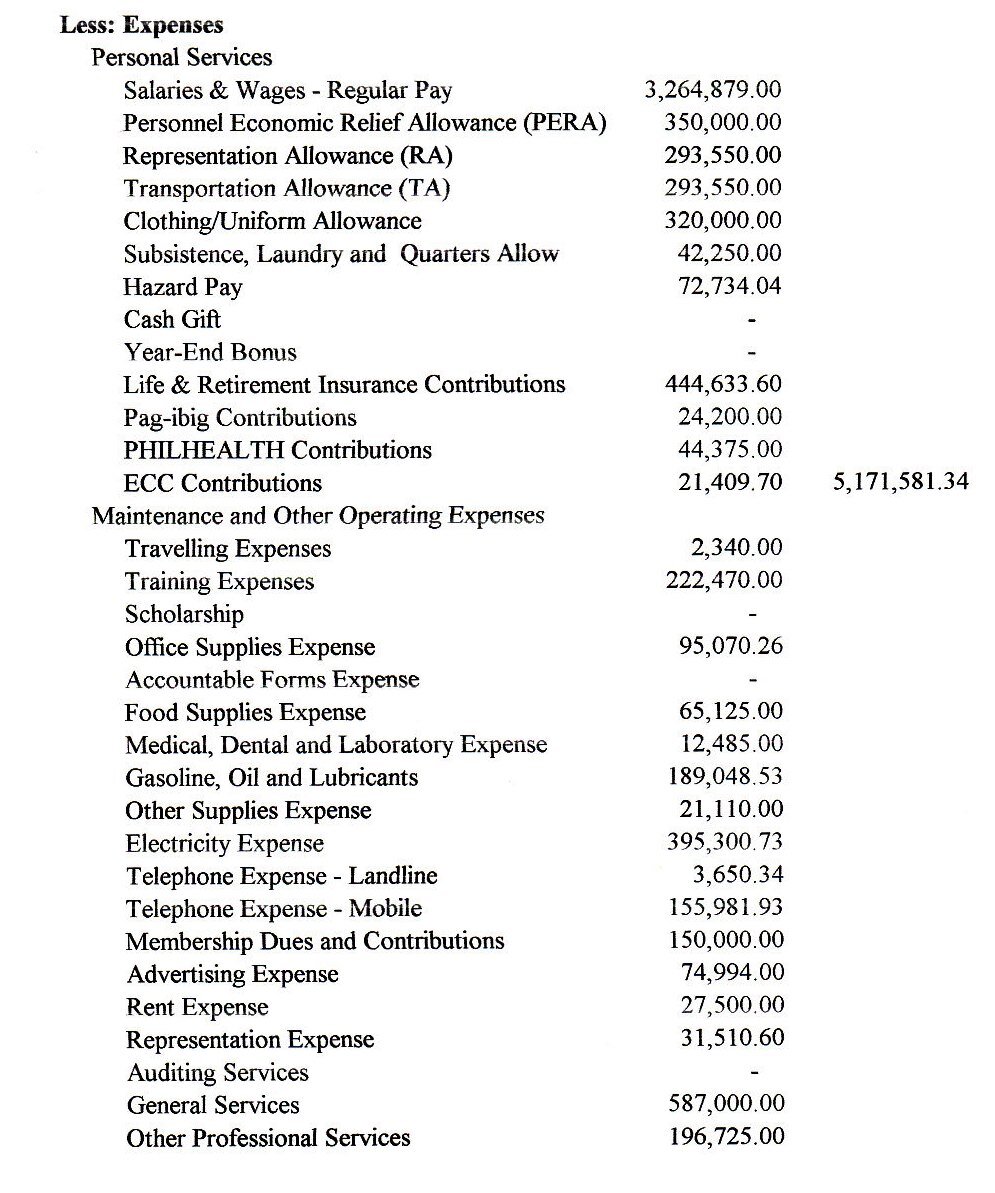
The structure is straightforward. It starts with your total revenue and subtracts all your expenses to find your net income.
- Revenue: This is the total amount of money generated from selling your products or services.
- Expenses: These are the costs you incur to run your business. Examples include employee salaries, rent for your office, marketing costs, and the cost of the goods you sell.
The final line is the most famous one in business: the bottom line.
A positive net income means you have a profit, while a negative one means you're operating at a loss. This statement is crucial for understanding your company's profitability and operational efficiency.
The Cash Flow Statement
For a startup, cash is everything. You can be profitable on paper but still go out of business if you run out of cash to pay your bills. This is where the cash flow statement comes in. It tracks the actual movement of cash in and out of your company.
Profit is an opinion, but cash is a fact. The income statement can include non-cash items like depreciation, but the cash flow statement shows only real money moving.
The statement is broken down into three main sections:
- Operating Activities: This shows the cash generated from your primary business operations, such as cash collected from customers and cash paid to suppliers and employees.
- Investing Activities: This includes cash used for or received from investments. Buying a new server or selling old equipment would fall into this category.
- Financing Activities: This section tracks cash from investors or banks. Taking out a loan or receiving a new round of funding are examples of financing activities.
By adding up the cash from these three areas, you can see whether your cash balance increased or decreased over the period. For a startup, this is arguably the most critical statement for monitoring day-to-day survival and managing your runway.
How They All Connect
These three statements don't exist in isolation. They are intricately linked and provide a complete view of your business only when viewed together.
Here’s a simple way to think about the connections:
- The Net Income from the income statement is added to the Equity section of the Balance Sheet (under an account called 'retained earnings').
- The Cash Flow Statement starts with the net income, makes adjustments for non-cash items, and ultimately explains the change in the cash balance on the Balance Sheet from the beginning to the end of the period.
Understanding these three documents is a fundamental skill for any founder. They are your guide for measuring performance, making decisions, and communicating with investors.
Ready to test your knowledge? Let's see what you've learned about startup financials.
Which financial statement provides a snapshot of a company's financial position at a single point in time?
The fundamental accounting equation that governs the Balance Sheet is:
Mastering these concepts is the first step in taking control of your startup's financial destiny. They provide the clarity needed to navigate the challenges of building a business.