Startup Narrative Strategy and Fractional Engagements
Understanding Narrative Strategy
What’s Your Story?
Before you have revenue, traction, or a finished product, you have a story. For a pre-seed startup, this story isn’t just a nice-to-have; it’s one of your most valuable assets. It’s the answer to the most important questions people will ask: Why does your company exist? What problem are you solving? Who are you solving it for? And why should anyone care?
A narrative strategy is the plan for telling this story consistently and compellingly to everyone who matters—investors, early customers, and future employees. It’s the core message that explains your vision for the future and how your startup will create it. Without a clear narrative, you’re just another company with an idea. With one, you’re a mission people can believe in.
Your narrative strategy is the foundation upon which you'll build your entire company.
More Than Just a Logo
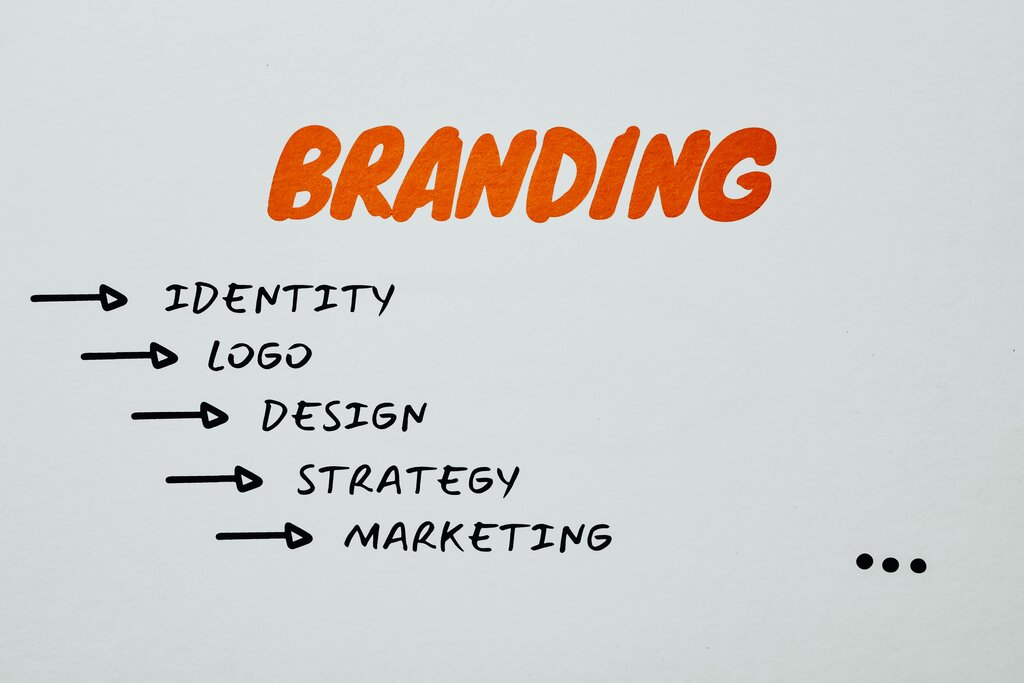
Many founders think a brand is a name, a logo, and a color palette. While these are elements of your brand’s visual identity, they aren't the brand itself. Your brand is what people feel when they think about your company. It's your reputation, your personality, and the promise you make to your customers. And all of that is built through storytelling.
Your narrative gives your brand a soul. Are you rebels trying to disrupt an old industry? Are you caretakers aiming to make people’s lives easier? Your story defines this identity. For example, a fintech startup that aims to simplify investing for beginners isn’t just selling an app; it’s selling a story of empowerment and financial freedom. This story informs every decision, from product design to marketing, creating a consistent and trustworthy brand.
Getting People to Listen
Investors and customers are constantly bombarded with information. Data, features, and financial projections can start to blur together. A story, however, cuts through the noise. It creates an emotional connection that facts and figures alone can't achieve.
For investors, a compelling narrative brings your vision to life. They hear hundreds of pitches, but they remember the stories. A strong narrative demonstrates that you understand the market, know your customer’s pain points, and have a clear vision for the future. It’s proof that you’re not just building a product, but a business with purpose.
A clear, concise narrative keeps investors engaged by guiding them through your vision, problem, and solution without overwhelming detail.
This is just as true for customers. People don’t buy what you do; they buy why you do it. A clear narrative helps potential users see themselves in the story you're telling. They aren’t just purchasing a solution; they’re joining a movement and becoming part of your brand's journey. This creates a much deeper, more loyal relationship than a simple transaction ever could.
Stand Out in a Crowd
Your market is likely crowded. There are probably other startups trying to solve a similar problem. What makes you different? Often, it’s not a single feature or a price point. It’s your unique story.
Your narrative is your ultimate differentiator. It frames why your approach is better, why your team is the right one to succeed, and why your vision is the one that will win out. It allows you to compete on more than just features, which can be easily copied. A powerful, authentic story is unique to you and can’t be replicated.
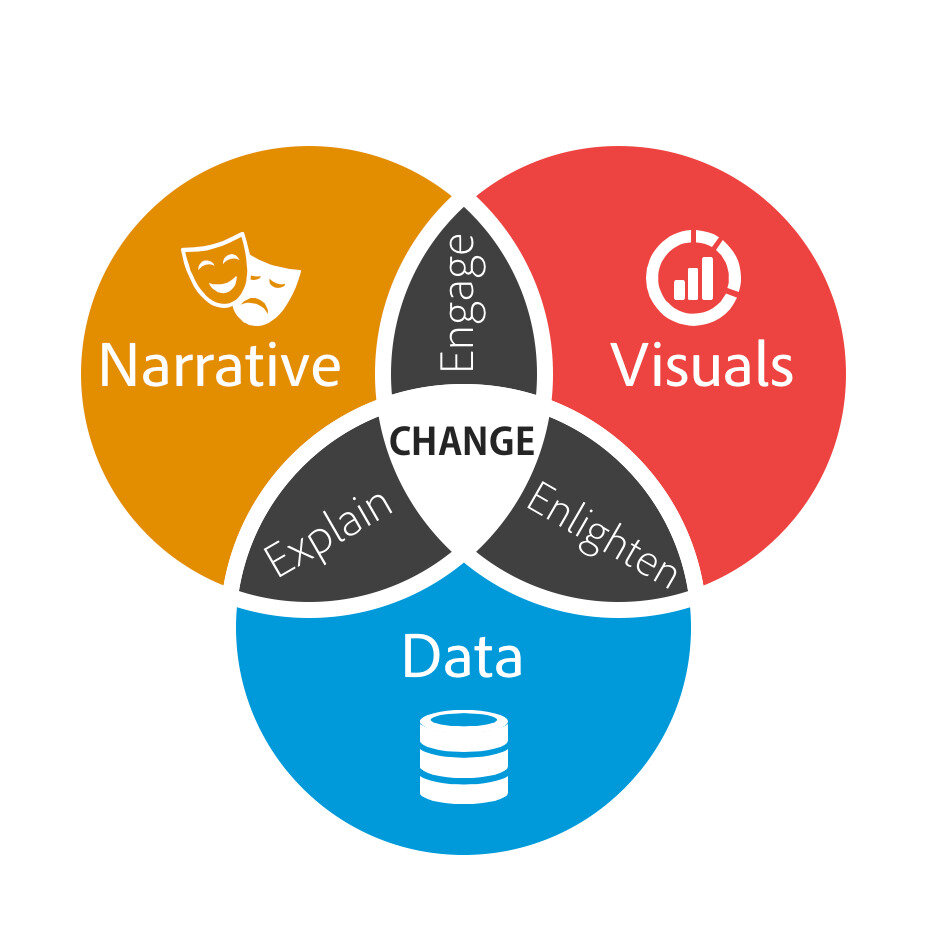
By defining your story early, you create a strategic asset that guides your company's growth. It ensures your team is aligned, your marketing is consistent, and your brand resonates with the people who matter most. It’s the first step in turning a simple idea into a lasting business.
For a pre-seed startup, what is the primary role of a narrative strategy?
A startup's brand is primarily defined by its logo, name, and color palette.