Startup IP Ownership Essentials
Introduction to Intellectual Property
Your Idea as Property
Think about physical property, like a building or a piece of equipment. You own it, you can use it, and you can stop others from using it without your permission. Intellectual property, or IP, applies the same idea to creations of the mind. It’s a way to own your unique ideas, inventions, and creative works.
IP turns your intangible creations—like a new software algorithm or a catchy brand name—into valuable, protectable assets.
For a startup, your IP can be your most important asset. It gives you a competitive edge, helps you attract investors, and builds the foundation of your company's value. Without protecting your IP, a competitor could simply copy your hard work, leaving you with little to show for it. Understanding the different types of IP is the first step in building a strong defense for your business.
The Four Types of IP
Intellectual property isn't a single, one-size-fits-all concept. It's a category that includes four primary types of protection, each designed for a different kind of creation. Let's break them down.
Patent
noun
A government-granted exclusive right to an inventor, preventing others from making, using, or selling their invention for a limited period.
Patents protect inventions. This could be a new and useful process, a machine, a product, or a unique design. If you've invented a better way to filter water or a novel algorithm for data compression, a patent could protect it. It gives you a temporary monopoly, allowing you to commercialize your invention without direct copycats.
Trademark
noun
A symbol, design, word, or phrase that identifies the source of a product or service and distinguishes it from others.
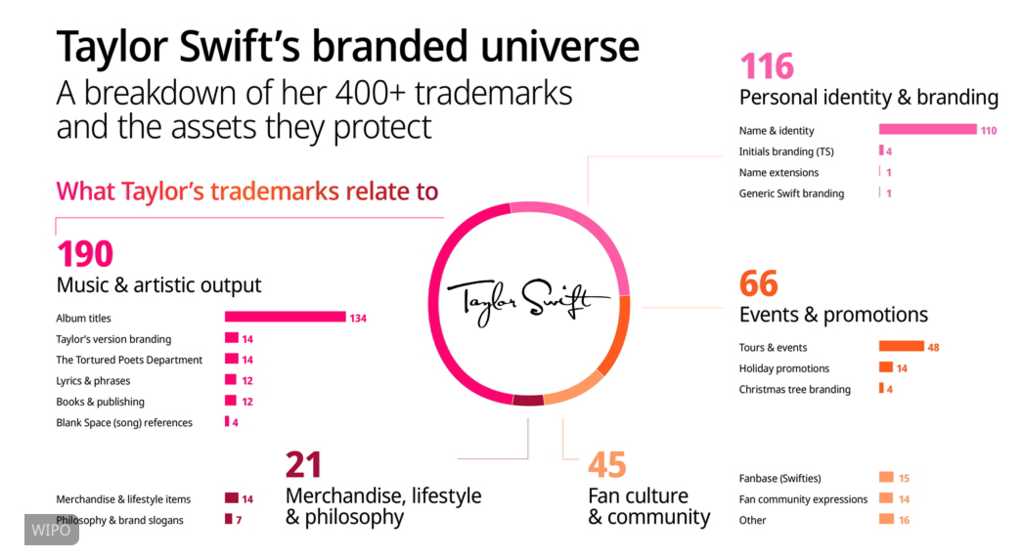
Trademarks are all about branding. They protect the elements that make your company recognizable to customers, like your business name, logo, or slogan. Think of the Nike "swoosh" or the golden arches of McDonald's. These symbols instantly tell you who is providing the product. A strong trademark prevents competitors from using a similar name or logo that could confuse your customers.
Copyright
noun
A legal right that grants the creator of an original work exclusive rights for its use and distribution, usually for a limited time.
Copyright protects original works of authorship. This applies to things like books, music, paintings, software code, and website content. As soon as you create an original work and fix it in a tangible form (like writing it down or saving the file), you automatically have a copyright. This right prevents others from copying, distributing, or displaying your work without permission.
For example, the code you write for your app is protected by copyright. So are the marketing materials, blog posts, and videos you create to promote your business.
Trade secret
noun
Information that has commercial value because it is not generally known or readily ascertainable by others, and which the owner takes reasonable measures to keep secret.
A trade secret protects confidential business information that gives you a competitive edge. Unlike patents, trade secrets have no expiration date—they last as long as they remain secret. The classic example is the formula for Coca-Cola. It can also include things like customer lists, marketing strategies, or manufacturing processes.
To have a trade secret, you must actively work to keep the information confidential. This often involves using non-disclosure agreements (NDAs) with employees and partners.
Why Startups Need IP
For a new company, IP isn't just a legal formality. It’s a core business tool that can define your trajectory.
First, it creates a barrier to entry for competitors. If you have a patent on a key technology, others can't legally use it. This gives you breathing room to grow without being immediately overwhelmed by larger companies.
Second, IP is a huge factor for investors. It demonstrates that your business has a unique, defensible asset. Investors are more likely to fund a company that owns its technology and brand rather than one that could be easily copied.
Finally, IP can become a source of revenue. You can license your patented technology to other companies, creating an income stream. Your trademarked brand grows in value as your reputation builds, becoming one of your most powerful assets.
Thinking about your IP strategy from day one is crucial. It’s not an afterthought; it’s a foundational part of building a resilient and valuable company.
Ready to check your understanding? This quiz will help you review the main types of intellectual property and why they matter.
What is the primary function of a trademark?
You have just written the source code for a new mobile application. Which type of intellectual property automatically protects your original code as soon as you save it to a file?
Now that you have a grasp of the four main types of IP, you're better prepared to identify and protect the valuable creations that will drive your startup forward.