Startup Idea Validation and Planning
Understanding Market Research
Why Research Matters
Every startup begins with an idea. But an idea alone, no matter how brilliant, is just a starting point. To build a successful business, you need to validate that your idea solves a real problem for a real group of people. This is where market research comes in. It’s the process of gathering information to understand your potential customers, your industry, and your competition.
Conducting comprehensive market research and testing your ideas before diving in headfirst will provide valuable insights to shape the direction of your venture.
Think of it as building a bridge. You wouldn't start construction without surveying the land, testing the soil, and understanding the river's flow. Market research is that essential groundwork for your business. It helps you move from assumptions to evidence-based decisions, significantly reducing the risk of building something nobody wants.
Two Sides of the Coin
Market research isn't a single activity. It's a collection of methods that generally fall into two broad categories: qualitative and quantitative. Understanding the difference is key to asking the right questions.
Qualitative research explores the 'why'. It dives into people's motivations, feelings, and experiences. This type of research provides rich, in-depth insights that help you understand the nuances of customer behavior. Common methods include one-on-one interviews, focus groups, and observational studies where you watch how people interact with a problem or product in their natural environment.

On the other side is quantitative research. This approach is all about numbers and measurable data. It answers questions like 'how many?', 'how often?', and 'who?'. Quantitative methods give you statistical evidence to confirm hypotheses that might arise from qualitative findings. Think large-scale surveys, website analytics, and A/B tests. This data helps you understand market size and trends at a broader level.
Neither method is better than the other; they are most powerful when used together. Qualitative research can uncover a specific customer pain point you never considered, and quantitative research can tell you how widespread that pain point really is.
Finding Your Audience
One of the most common startup mistakes is trying to build a product for 'everyone'. A product for everyone is often a product for no one. Effective market research helps you zero in on your target demographic: the specific group of people most likely to become your customers. This focus allows you to tailor your product, marketing, and sales efforts much more effectively.
persona
noun
A fictional character created to represent a user type that might use a site, brand, or product in a similar way. Personas are useful in considering the goals, desires, and limitations of target users.
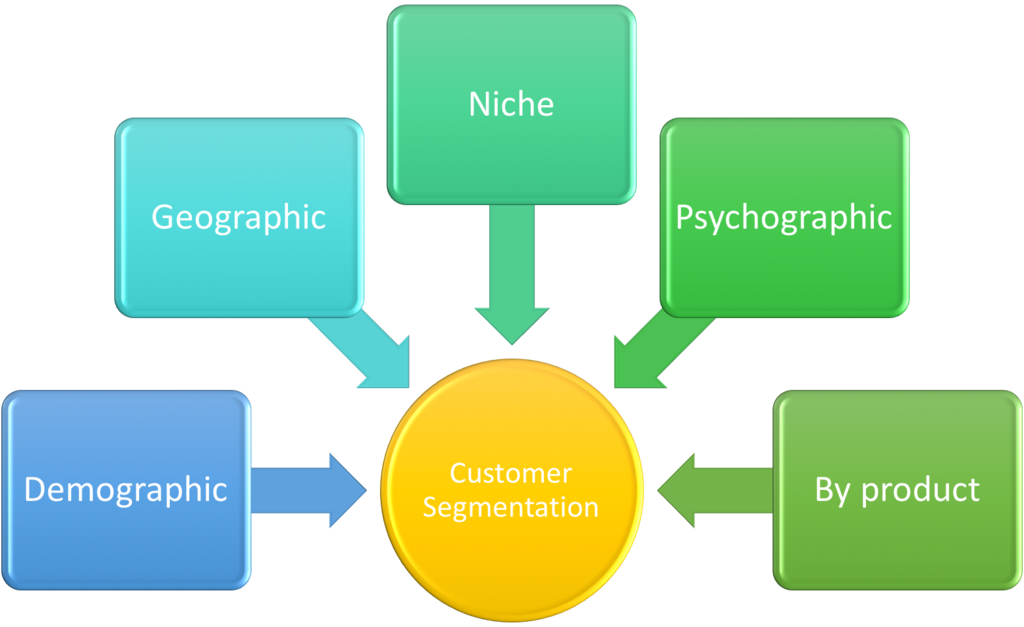
Start by looking at demographics (age, gender, location, income) and psychographics (lifestyle, values, interests). Who is currently trying to solve the problem you're addressing? What are their habits? Where do they spend their time online and offline?
Creating customer personas can make this process tangible. A persona is a semi-fictional profile of your ideal customer based on research. Giving them a name, a job, goals, and challenges helps your team stay focused on who you're building for.
Analyzing the Competition
You're rarely entering a market with no competition. Even if there isn't a direct competitor offering the exact same solution, your potential customers are using something to solve their problem right now. That 'something' is your competition, whether it's a rival company, a manual workaround, or a simple spreadsheet.
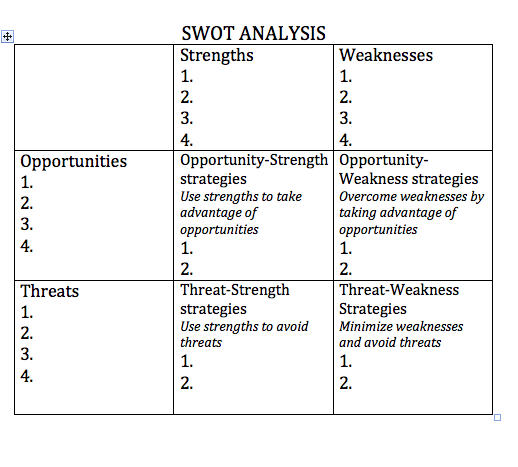
Competitive analysis involves identifying your competitors and evaluating their strategies to determine their strengths and weaknesses relative to your own. A good analysis looks at their product features, pricing, marketing strategies, and customer reviews.
| Analysis Area | Questions to Ask |
|---|---|
| Product | What are their core features? What do customers love or hate? |
| Pricing | How do they structure their pricing? Is it subscription, one-time, or freemium? |
| Marketing | What channels do they use (social media, content, ads)? What is their messaging? |
| Strengths | What do they do exceptionally well? Do they have a strong brand or community? |
| Weaknesses | Where are they failing? What are common customer complaints? |
This isn't about copying what others are doing. It’s about finding gaps in the market. A competitor's weakness could be your opportunity. By understanding the landscape, you can position your startup to offer something uniquely valuable.
Let's test your knowledge on these concepts.
What is the primary purpose of market research for a new startup?
A founder wants to understand the deep-seated motivations and feelings that drive customer behavior in their industry. Which research approach should they use?
Market research is an ongoing process, not a one-time task. As your business grows and markets evolve, continuous research will help you stay ahead of trends and keep your product aligned with customer needs.