Startup Go-to-Market Mastery
Market Research
Know Your Playground
Before you build anything, you need to understand the landscape. Starting a business without market research is like building a house on a plot of land you've never visited. You might be building on a swamp, on the side of a cliff, or in a place nobody wants to live. Market research is your survey of the terrain. It helps you understand who your potential customers are, what they struggle with, and who else is trying to help them.
Conducting comprehensive market research and testing your ideas before diving in headfirst will provide valuable insights to shape the direction of your venture.
This isn't just an academic exercise. It's the foundation for making smart decisions, from what features to build to how you talk about your product. Getting this right early on saves you time, money, and a lot of headaches.
Finding Your People
You can't be everything to everyone. The most successful startups focus on a specific group of people with a specific need. The process of identifying this group is called customer segmentation. It’s about dividing a broad market into smaller, more manageable segments of consumers who have common needs or characteristics.
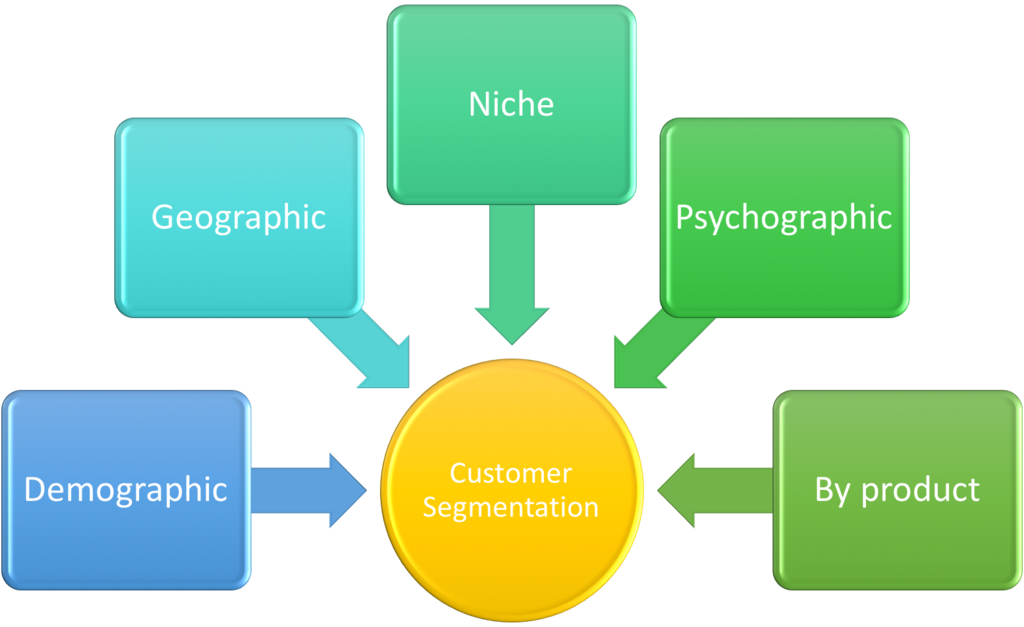
There are a few common ways to slice the pie:
- Demographic: This is about quantifiable characteristics like age, gender, income, education, and family size. Are you building a product for retirees or for college students?
- Geographic: This segments customers by their location, such as country, city, or even neighborhood. A business selling snowboards will have a different geographic focus than one selling surfboards.
- Psychographic: This gets into your customers' lifestyle, values, and personality traits. Are they eco-conscious, driven by status, or focused on family values? This helps you understand their motivations.
- Behavioral: This groups people based on their actions, such as their purchasing habits, brand loyalty, or how they use a product. Are they early adopters who love new technology, or are they careful buyers who wait for reviews?
The goal isn't to exclude people, but to focus your energy on those you can help the most.
What Do They Really Want?
Once you have a general idea of who your customers are, you need to figure out what they need. This means digging deep into their problems, frustrations, and desires, often called "pain points." Your potential business opportunity lies in solving these pain points.

To gather this information, you can use a mix of research methods. These generally fall into two categories: primary and secondary research.
| Method | Description | Best for... |
|---|---|---|
| Primary Research | Gathering new data directly from the source. | Understanding specific pain points and motivations. |
| Secondary Research | Analyzing information that already exists. | Sizing up the market and spotting broad trends. |
Primary research tools include:
- Surveys: Questionnaires sent to a large group of people to gather quantitative data. Great for getting a lot of answers quickly.
- Interviews: One-on-one conversations that allow you to ask follow-up questions and get rich, qualitative insights.
- Focus Groups: A moderated discussion with a small group of potential customers. Useful for seeing how people interact with an idea and with each other.
Secondary research involves using existing data from sources like industry reports, government statistics, and academic studies. It's a great starting point for understanding the size of your market or identifying general trends before you invest in more targeted primary research.
Sizing Up the Competition
Unless you've invented something truly revolutionary, you're not operating in a vacuum. You have competitors, and you need to understand them. Competitor analysis isn't about copying what others do; it's about finding opportunities to do things better or differently.
Look for gaps in the market. What are your competitors not doing? What needs are they failing to meet?
Start by identifying your competitors. They might be direct (offering a similar product) or indirect (solving the same problem with a different solution). For example, a direct competitor to Netflix is Hulu. An indirect competitor is a movie theater or a bookstore—they all compete for your entertainment time.
Once you have a list, analyze their:
- Products: What are their key features? What do customers love or hate about them? Reading customer reviews can be incredibly revealing.
- Market Positioning: How do they describe themselves? Are they the budget option, the premium choice, or the specialist for a niche audience?
- Strengths and Weaknesses: What are they really good at? Where do they seem to fall short? Their weakness could be your opportunity.
This analysis will help you carve out a unique space in the market. By understanding the competitive landscape, you can position your startup to offer something valuable that customers can't get elsewhere.
What is the primary purpose of conducting market research before starting a new business?
A startup is launching a subscription box for new parents. They target their marketing specifically to people in urban areas between the ages of 30-40 with a household income over $100,000. Which types of market segmentation are they using?
Solid market research points you in the right direction. It turns guesswork into an informed strategy, giving your startup a much stronger chance of success.