Startup Fundraising Essentials
Fundraising Fundamentals
The Fundraising Ladder
Most startups need money to grow. Whether it's for building a product, hiring a team, or marketing to new customers, outside funding is often the fuel that powers a company's journey from an idea to a sustainable business. This process of raising money is called fundraising, and it typically happens in stages, like climbing a ladder, with each step representing a new level of growth and maturity.
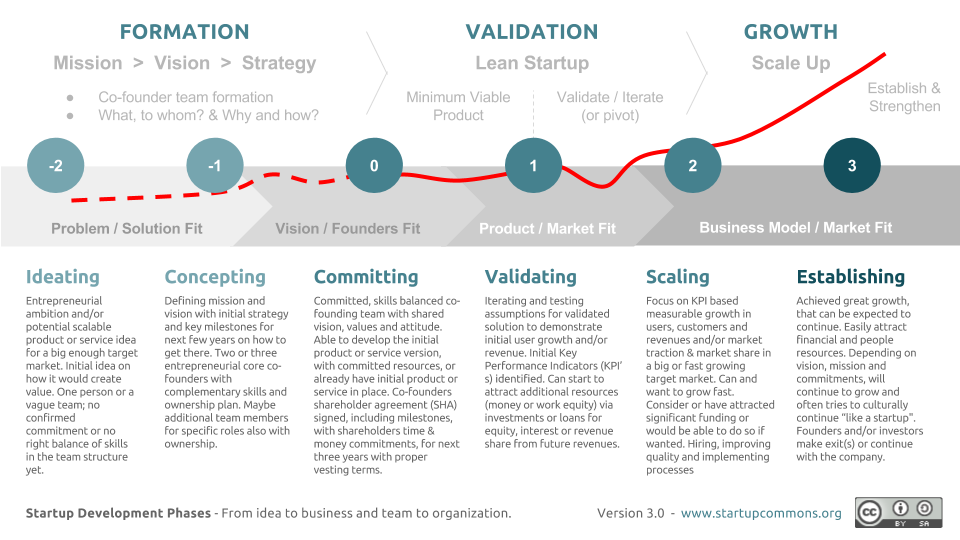
Before seeking outside money, many founders start by bootstrapping, which means using their own savings to get the business off the ground. They might also raise a small pre-seed round from friends, family, or personal connections. This initial capital is used to build a basic version of the product, often called a Minimum Viable Product (MVP), and show that the idea has potential.
Understanding the Rounds
Once a startup has early signs of traction, it's ready to seek its first formal round of funding.
Seed Round: This is the first official equity funding stage. The name says it all: the capital is the "seed" that will help the business grow. Funds from this round are typically used to find product-market fit, hire key team members, and acquire the first wave of customers. The primary investors at this stage are often angel investors.
Angel Investor
noun
A high-net-worth individual who provides financial backing for small startups or entrepreneurs, typically in exchange for ownership equity in the company.
Series A: By the time a company raises a Series A round, it should have a proven track record. This means it has a solid user base, consistent revenue figures, or other key performance indicators that show it's ready to scale. The focus shifts from finding a market to optimizing it. Venture capitalists (VCs) are the main players in this round, and they invest larger amounts of money to help the company expand its market reach.
Venture Capitalist
noun
A professional investor who provides capital to startups and small businesses with long-term growth potential. VCs invest money from a larger fund, not their own personal wealth.
Series B, C, and Beyond: These later-stage rounds are all about expansion. Series B funding is often used to take the business to the next level, past the development stage. This can involve expanding teams, entering new markets, or acquiring other companies. By Series C, a company is typically quite successful and may be looking for funding to develop new products, expand internationally, or prepare for an Initial Public Offering (IPO). These rounds attract a wider range of investors, including larger VC firms and institutional investors like private equity firms or hedge funds.
The People with the Capital
The type of investor a startup attracts usually depends on its stage. Each brings different resources, expectations, and levels of involvement to the table.
| Investor Type | Stage of Investment | Source of Funds | Typical Investment | Involvement Level |
|---|---|---|---|---|
| Angel Investors | Pre-Seed, Seed | Personal Wealth | $25k - $250k | Often hands-on mentors |
| Venture Capitalists | Seed, Series A, B, C | Limited Partners' Fund | $1M - $50M+ | Active, often takes board seat |
| Institutional Investors | Late Stage (C+), IPO | Large Pools of Capital | $50M - $1B+ | Less hands-on, focused on returns |
Angel investors are often former entrepreneurs themselves and can provide valuable mentorship alongside capital. VCs, on the other hand, manage large funds and are looking for companies that can generate massive returns—often 10x or more on their investment. Institutional investors, such as pension funds or endowments, typically invest in more mature, less risky companies as part of a larger, diversified portfolio.
At the stage we invest, most of our due diligence focuses on two things: The quality of the founding team and the size/attractiveness of the market opportunity.
An Overview of the Process
Regardless of the stage, the fundraising process generally follows a similar path. It begins long before the first meeting, with founders preparing a business plan, financial projections, and a compelling pitch deck. The goal of the pitch is to secure a follow-up meeting.
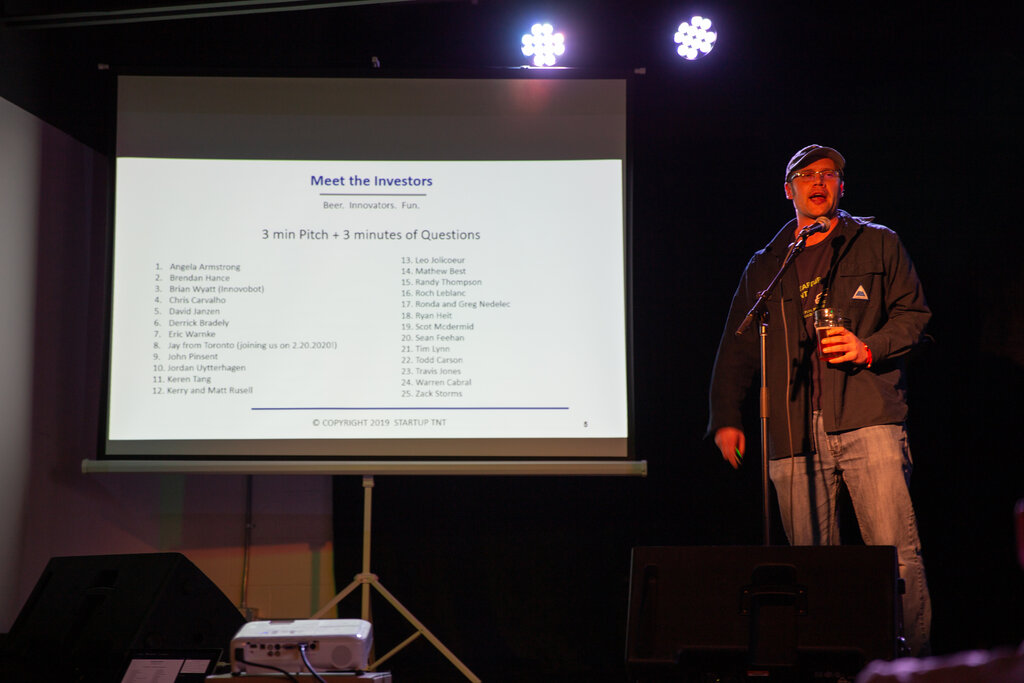
If investors are interested, they'll begin due diligence, a process of vetting the startup's claims, financials, legal structure, and market. This can be an intense period of scrutiny.
If due diligence goes well, the investor will present a term sheet. This non-binding document outlines the proposed terms of the investment, including the company's valuation and the rights of the investor. After negotiation and agreement, legal documents are drafted, and the deal is closed. The funds are then transferred, and the company gets back to the real work: building the business.
Fundraising is a means to an end, not the end itself. The ultimate goal is to build a great company, and capital is just one of the tools to get there.
Understanding these core components of fundraising provides a solid foundation for any entrepreneur looking to raise capital and grow their business.