Startup Customer Success for Community Adoption
Understanding Customer Success
What Is Customer Success?
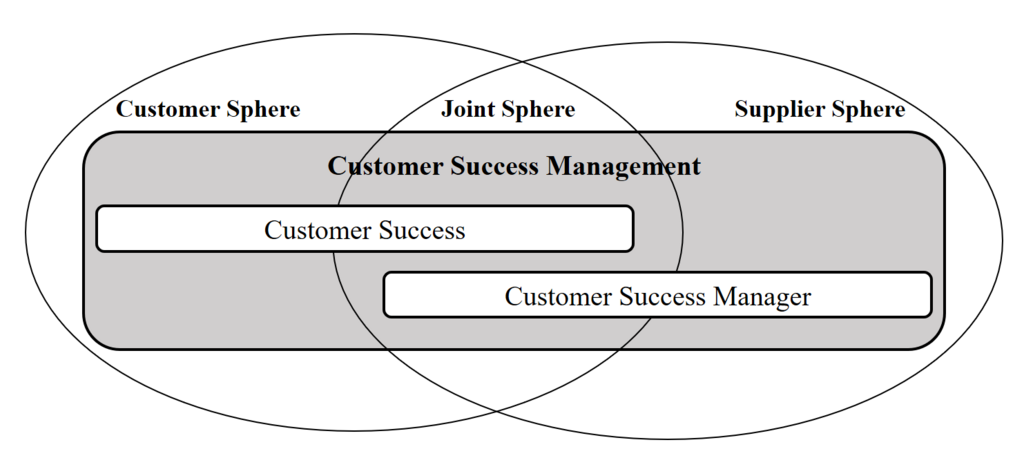
Customer Success is the practice of ensuring your customers achieve their desired outcomes while using your product or service. It’s not just about keeping them happy; it’s about making them successful. Think of it like the difference between a gym membership and a personal trainer. The gym gives you the tools, but the trainer actively helps you reach your fitness goals. A Customer Success Manager (CSM) is that personal trainer for your product.
Customer success (CS) ensures that your customers are set up for success to achieve their business goals.
The main objective is to build long-term, mutually beneficial relationships. When your customers succeed, they're more likely to stick around, buy more, and tell others about you. This approach is proactive. Instead of waiting for a customer to report a problem, customer success teams anticipate their needs and guide them toward value.
Success vs. Support
People often confuse customer success with customer support. While both are crucial for a good customer experience, they serve different functions. Customer support is reactive, focused on solving immediate, specific problems. Customer success is proactive, focused on long-term goals and relationship building.
| Aspect | Customer Support | Customer Success |
|---|---|---|
| Goal | Resolve specific issues | Achieve customer outcomes |
| Approach | Reactive | Proactive |
| Timeframe | Short-term transactions | Long-term relationships |
| Metrics | Ticket resolution time, CSAT | Churn rate, CLV, adoption |
A support team might help a user reset their password, which is a necessary, one-off fix. A success team would notice that same user hasn't adopted a key feature and would reach out to offer training, ensuring they get the full value of the product over time.
Why It Matters for Startups
For a startup, customer success isn't a luxury; it's a core driver of growth. Acquiring new customers is expensive. Retaining them is how you build a sustainable business. Effective customer success directly impacts user adoption and retention.
When users get value from your product quickly, they're more likely to integrate it into their daily workflow. This is user adoption. Customer success drives this by guiding users through onboarding and highlighting features that solve their biggest problems.
High retention is the lifeblood of a startup, especially those with a subscription model. Losing customers, known as churn, can quickly sink a company. By focusing on customer outcomes, CS teams reduce churn and turn happy customers into advocates who help you grow.
Securing your first 100 customers is a milestone for any startup, signaling not just market validation but also the beginning of its growth trajectory.
Measuring Success
To manage customer success effectively, you need to measure it. Key Performance Indicators (KPIs) help you track progress and identify areas for improvement. While there are many metrics, a few are fundamental.
Churn Rate
noun
The percentage of customers who cancel or do not renew their subscription during a given period.
A high churn rate is a major red flag. The basic formula is:
Other essential KPIs include:
- Customer Lifetime Value (CLV): This metric predicts the total revenue your business can expect from a single customer account throughout your entire relationship. A higher CLV means each customer is more valuable over time.
- Net Promoter Score (NPS): This measures customer loyalty by asking a single question: "How likely are you to recommend our product to a friend or colleague?" Responses create three categories: Promoters, Passives, and Detractors.
- Customer Health Score: This is a predictive metric used to signal whether a customer is healthy or at risk of churning. It combines several data points, like product usage, support tickets, and survey responses, into a single score, often represented as red, yellow, or green.
Now that you understand the fundamentals of customer success, let's test your knowledge.
What is the primary focus of a Customer Success team?
A user contacts your company because they can't log in. Which team is best suited to handle this request?