Startup Cap Tables and Equity Dilution
Introduction to Cap Tables
What's a Cap Table?
A capitalization table, or cap table, is a list of who owns what in your company. Think of it as the official scorecard for ownership. It details every person or entity that holds equity—from the founders who started it all, to the investors who funded it, to the employees who help build it.
Capitalization Table
noun
A spreadsheet or table that shows the equity capitalization for a company, including all securities and who owns them.
Its main purpose is to provide a single, clear source of truth. When you're making big decisions, like bringing on a new investor or giving stock options to a new hire, the cap table shows you exactly how that will change the ownership structure.
A cap table, or capitalization table, outlines the ownership structure of a company, detailing the percentage of ownership held by each investor, founder, and employee.
The Building Blocks
A simple cap table tracks a few key things. It lists all the shareholders by name. Next to each name, it shows the number of shares they own. This lets you calculate their ownership percentage.
Over time, companies often issue different types of shares, called share classes. For example, founders might hold "common stock," while investors might receive "preferred stock," which can come with different rights. The cap table keeps all of this organized.
| Shareholder | Shares Owned | Share Class | Ownership |
|---|---|---|---|
| Founder A | 5,000,000 | Common | 50% |
| Founder B | 5,000,000 | Common | 50% |
| Total | 10,000,000 | 100% |
The table above shows a brand-new company with two founders who have split the ownership equally. Each owns 5 million of the 10 million total shares, giving them each 50% of the company.
Why It Matters
For a startup, a well-managed cap table is critical. It prevents misunderstandings between founders and investors. When you decide to raise money, the first thing potential investors will want to see is your cap table. A clean, accurate table builds trust and shows that you're organized. A messy one can be a major red flag.
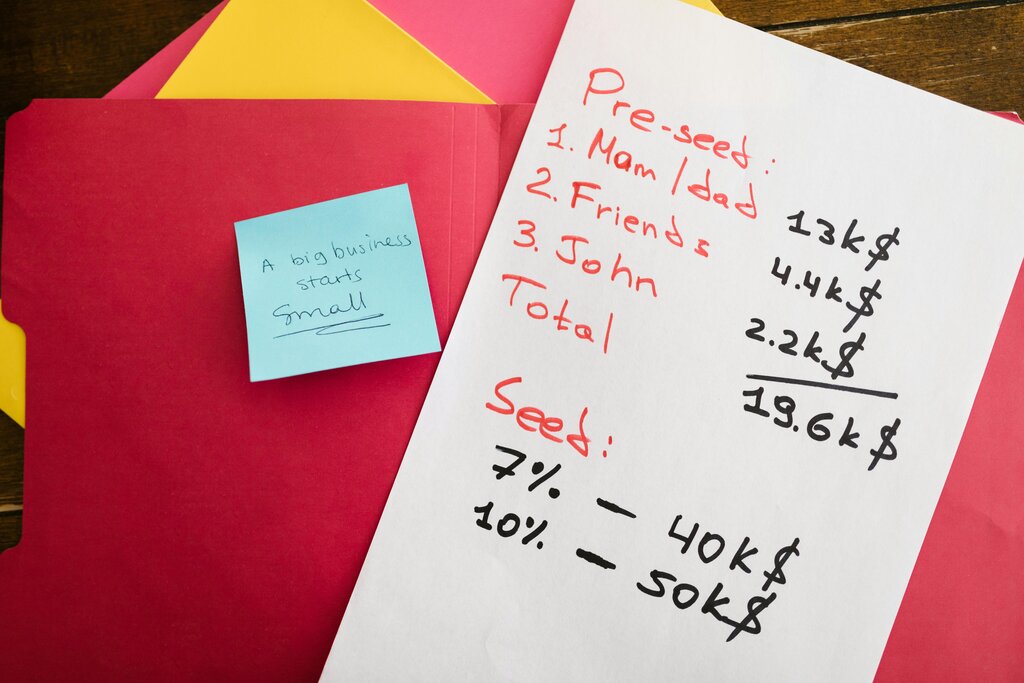
The cap table is also a vital decision-making tool. Each time the company issues new equity—whether through a funding round or an employee stock option plan—the ownership pie gets re-sliced. This is called dilution. By modeling these changes on your cap table first, you can understand the impact before you commit. It helps you see how each new share affects the ownership stake of everyone involved.
A cap table isn't just a record of the past; it's a map for the future, helping you navigate growth and fundraising without losing sight of who owns what.
Ready to check your understanding of these core concepts?
What is the primary purpose of a capitalization table (cap table)?
When a company issues new shares to an investor or employee, what is the resulting decrease in ownership percentage for existing shareholders called?