Starting Your LGS Business
Understanding Layman's Group Service
What is a Layman's Group Service?
A Layman's Group Service, or LGS, is a support system created by and for community members. Think of it as organized neighborly help. Instead of relying on credentialed experts, an LGS is built on the shared knowledge, skills, and experiences of everyday people. The core idea is simple: people in a community often have the solutions to their own problems, they just need a way to connect and share them.
The main purpose of an LGS is to provide accessible, low-cost, and relatable support. Professional services can be expensive or intimidating. An LGS fills the gap by creating a comfortable environment where peers can help peers. It’s a grassroots approach to problem-solving, focused on mutual aid and empowerment rather than a top-down, expert-client relationship.
Who It's For
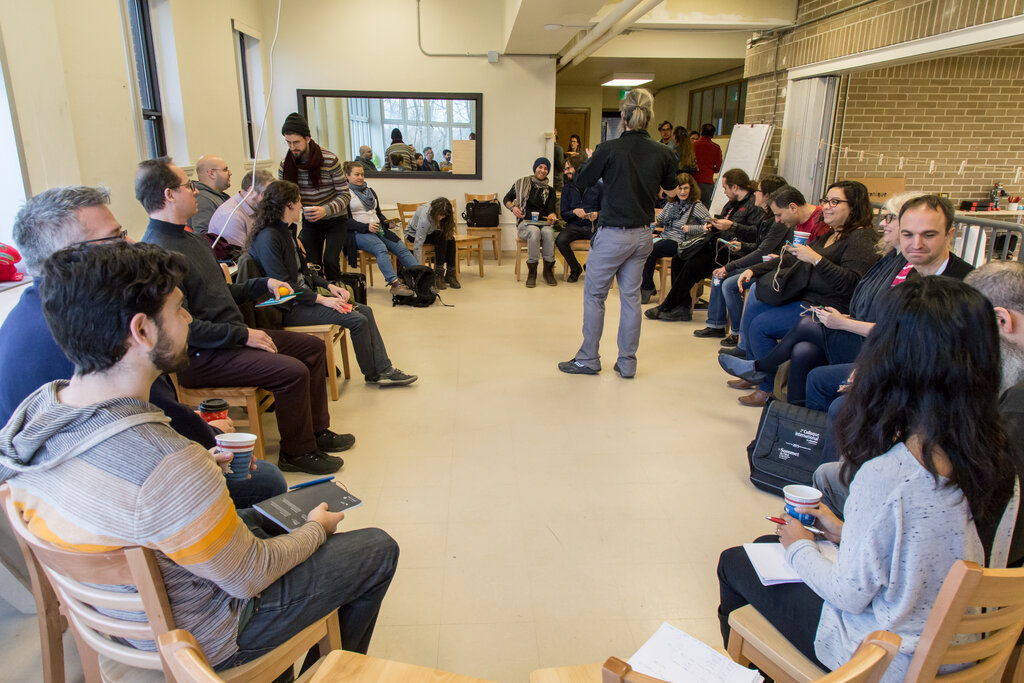
An LGS serves a wide range of people because its members are both the providers and the recipients of the service. The target audience is anyone within a community who has a need or has experience to share. This could be new parents looking for childcare advice, aspiring gardeners wanting to learn from seasoned neighbors, or freelancers pooling resources to navigate the gig economy.
These groups form organically to address specific community needs that aren't being met by traditional institutions. For instance, a neighborhood might lack affordable after-school programs, so parents form a co-op to supervise children's activities. Or, a group of individuals recovering from a similar health issue might form a support group to share coping strategies. The service is defined entirely by the needs of its members.
LGS thrives on shared experience, not formal qualifications. It’s about people helping people with the wisdom they already have.
Types of Services Offered
The services offered by an LGS are as diverse as the communities they serve. However, they generally fall into a few broad categories. The key is that these services are based on practical knowledge and mutual support.
| Category | Examples |
|---|---|
| Knowledge Sharing | Skill-swap workshops (e.g., basic bike repair, coding), study groups, book clubs, financial literacy circles. |
| Support Networks | Peer support groups (e.g., for new parents, caregivers, grief), mentorship programs. |
| Practical Assistance | Community tool libraries, shared childcare co-ops, meal trains for families in need, community gardens. |
| Advocacy & Action | Neighborhood watch programs, groups formed to address local issues like park maintenance or traffic safety. |
Now that you have a foundational understanding of what an LGS is, let's check your knowledge.
What is the core principle of a Layman's Group Service (LGS)?
Which of the following best describes the relationship between an LGS and professional services?
Understanding the concept of a Layman's Group Service is the first step. It's a powerful model for building stronger, more resilient communities from the ground up.