Starting Your Learning Journey
Defining Learning Outcomes
From Vague Interest to Action Plan
Having a goal like "I want to learn Python" is a great start, but it's not a plan. It's a wish. It's like wanting to travel to Asia – where exactly are you going? What will you do there? Without specifics, it’s easy to get overwhelmed by the sheer number of options and make little progress.
To turn a wish into a real educational journey, you need a roadmap. This means breaking down your broad interest into specific, actionable objectives. These objectives act as signposts, telling you exactly where to go next and confirming when you've arrived. This process transforms a fuzzy desire into a clear sequence of steps, making the entire endeavour feel less daunting and more achievable.
Using the SMART Framework
A powerful tool for creating these objectives is the SMART framework. It's a mnemonic that helps ensure your goals are well-defined and practical. Instead of a vague goal, you create a statement that outlines exactly what you will accomplish and how you'll know you've done it.
| Letter | Stands For | What It Means | Example Goal: "Learn Python" |
|---|---|---|---|
| S | Specific | Clearly define what you want to do. Who, what, where, why? | "I will learn to use the Pandas library in Python to manipulate data from CSV files." |
| M | Measurable | How will you track progress and know when you've succeeded? | "I will complete a project where I clean a 500-row CSV file and generate three summary charts." |
| A | Achievable | Is the goal realistic given your current skills and available time? | "I will dedicate five hours per week for one month to this goal." (Instead of "become a master in a week") |
| R | Relevant | Why does this goal matter to you? How does it fit into your larger ambitions? | "Learning Pandas is relevant to my goal of becoming a data analyst." |
| T | Time-bound | What is the deadline? When will you work on this goal? | "I will finish this project by the end of next month." |
Putting it all together, a SMART goal looks like this: "To advance my data analyst career path, I will learn to use the Python Pandas library by dedicating five hours a week for one month to building a project that cleans a 500-row CSV and generates three summary charts, which I will complete by June 30th."
Mapping Your Milestones
With a clear objective, you can start building a roadmap. This involves identifying your current knowledge gaps – the difference between what you know now and what you need to know to achieve your goal. How do you find these gaps?
You can look at the table of contents of a textbook on the subject, find a well-regarded online course and review its syllabus, or analyse the skills listed in a job description you're aiming for. Each chapter title, course module, or required skill is a potential milestone on your map.
Breaking a large goal into smaller, measurable milestones makes the learning process manageable. Instead of facing the mountain of "learning data analysis," you're just focused on the first step: "understand how to import a CSV file into a Pandas DataFrame." Each completed milestone provides a sense of accomplishment and fuels your motivation to continue.
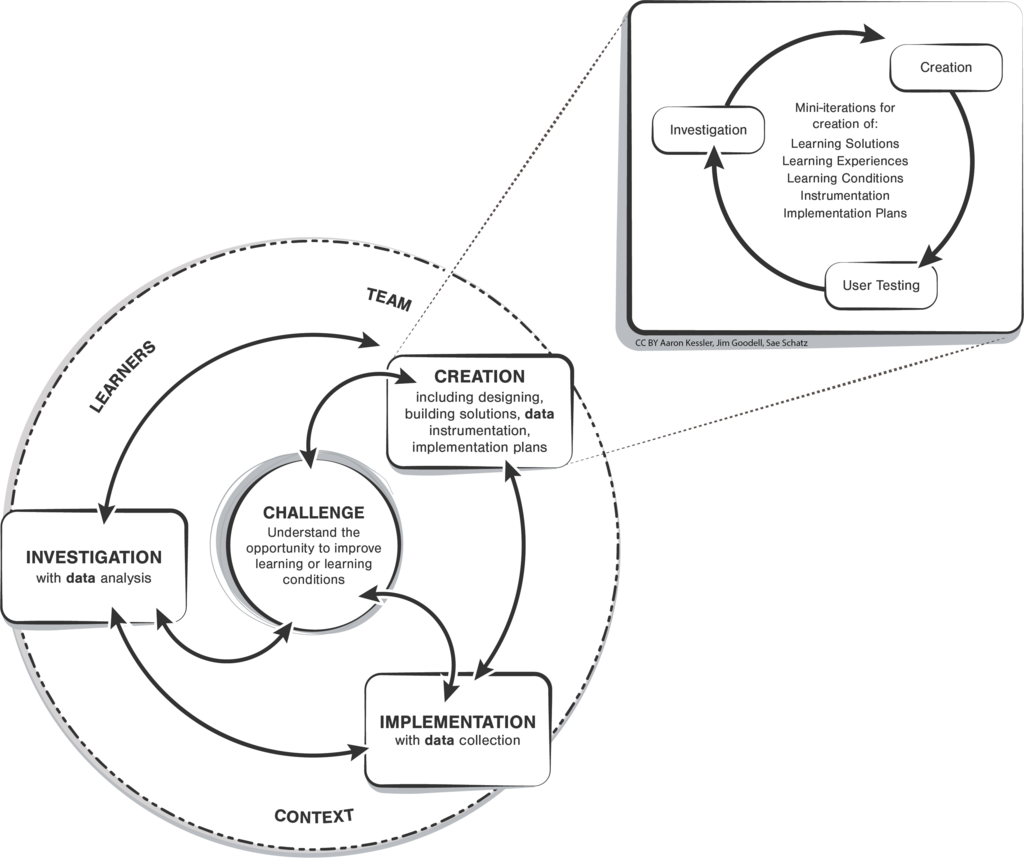
This approach of defining a clear 'why' behind your learning connects directly to the 'Relevant' aspect of the SMART framework. When learning is tied to a practical application, whether it's a career change, a personal project, or simply satisfying a deep curiosity, the motivation becomes intrinsic. You're not just learning for the sake of it; you're acquiring a tool to build something meaningful to you. This connection between theory and application is what makes knowledge stick and transforms a learning exercise into a genuine skill.
Now, let's test your ability to apply these concepts.
According to the text, what is the primary issue with setting a broad goal like 'I want to learn about data analysis'?
The text suggests using a syllabus from an online course or a table of contents from a textbook for what purpose?
By consistently applying this framework, you move from passive learning to active, directed progress. You build a clear path forward, one achievable milestone at a time.