Starting Your English Journey
Alphabet and Sounds
The Building Blocks of English
Welcome to English! Every word you'll learn is built from a small set of symbols called the alphabet. The English alphabet has 26 letters. Each letter comes in two forms: uppercase (or capital) and lowercase.
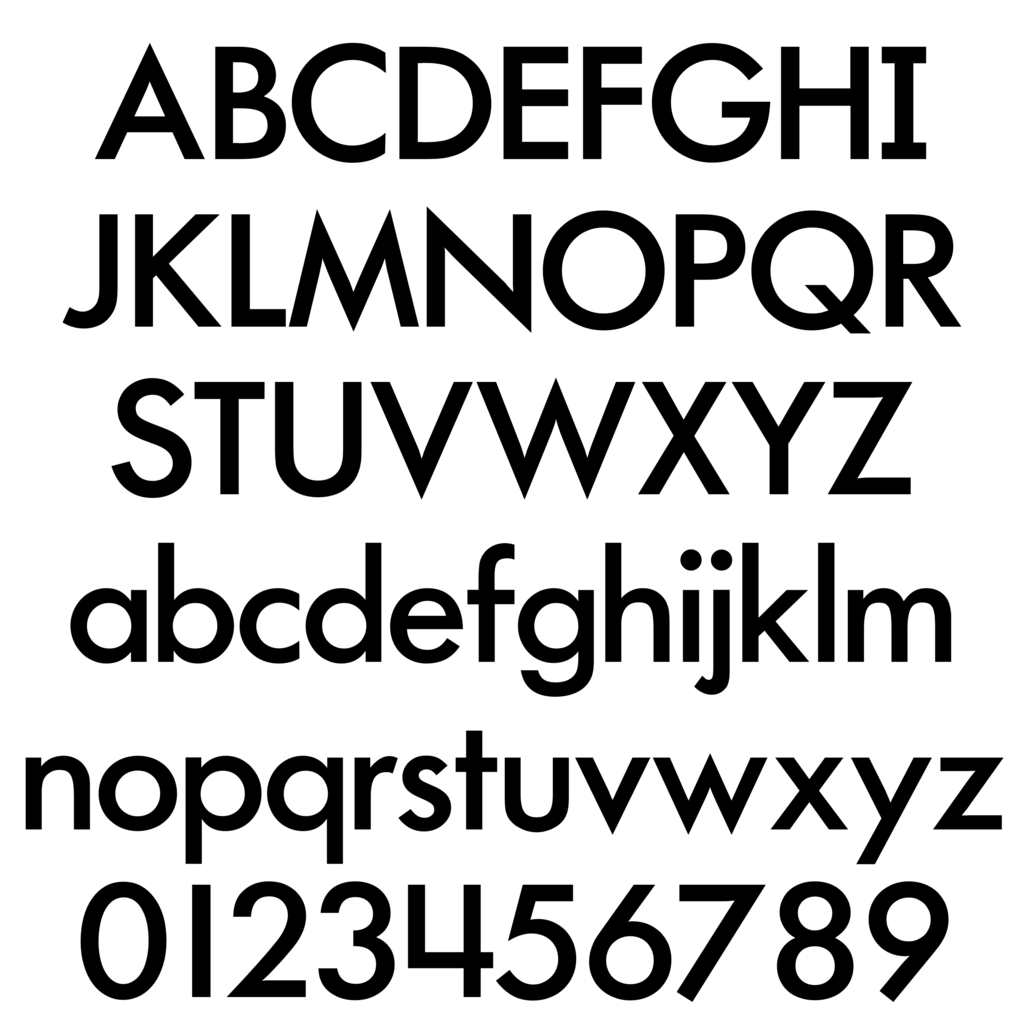
Think of them like two outfits for the same person. Uppercase letters are used for the beginning of sentences and for important names. Lowercase letters make up the rest of the words. For example:
- My name is Sam.
Here, 'M' and 'S' are uppercase, while the other letters are lowercase. Though they look different, 'A' and 'a' are the same letter. Each letter has a name (like "ay" for A, "bee" for B) and makes at least one sound.
Vowels The Heart of Words
Five of the 26 letters are special. These are the vowels: A, E, I, O, U. You can't make a word in English without a vowel sound. Vowels are the open, flowing sounds that carry the word. Each vowel has at least two main sounds: a "short" sound and a "long" sound.
Short vowel sounds are the most common sounds for these letters. They are the sounds you hear in "cat," "bed," "sit," "top," and "cup."
Long vowel sounds often sound like the letter's name. For example, the long 'A' sound is "ay," like in the word "cake." The long 'E' sound is "ee," as in "feet."
Understanding both sounds is key to reading. Context, like the other letters in a word, tells you which sound to use. We use a system called the (IPA) to write down sounds precisely.
| Vowel | Short Sound (like in...) | Long Sound (like in...) |
|---|---|---|
| A, a | apple, cat | cake, rain |
| E, e | elephant, bed | eagle, feet |
| I, i | igloo, sit | ice, pie |
| O, o | octopus, hot | ocean, goat |
| U, u | umbrella, cup | unicorn, blue |
Consonants The Framework
The other 21 letters are called consonants. These are the sounds we make by partially or completely blocking air with our tongue, teeth, or lips. Sounds like 'b', 'k', 'm', and 't' are all made by consonants.
Most consonants make one reliable sound. The letter 'B' almost always makes the /b/ sound you hear in "ball." But a few consonants are tricky. They can change their sound depending on the vowels that come after them. This is the first step in learning , the relationship between letters and sounds.
Let's look at the letters 'C' and 'G'. They each have a "hard" sound and a "soft" sound.
The letters C and G usually make their hard sound. They become soft only when followed by an e, i, or y.
| Letter | Sound Type | Rule | Examples |
|---|---|---|---|
| C | Hard | Followed by a, o, u, or a consonant | cat, cone, cut, clap |
| C | Soft | Followed by e, i, or y | cell, city, cycle |
| G | Hard | Followed by a, o, u, or a consonant | gate, goat, gum, glad |
| G | Soft | Followed by e, i, or y | gem, giant, gym |
Notice the pattern? This simple rule helps you decide how to pronounce many words correctly. As you learn more, you'll see how vowels and consonants work together to build every word in the English language.
Now let's review the main ideas we've covered.
Time to check your understanding.
How many letters are in the English alphabet?
What are the five special letters called vowels?
Great job. You've just taken the first and most important step in learning to read and speak English: understanding its basic building blocks.