Starting Your English Journey
Alphabet and Sounds
The Alphabet's Building Blocks
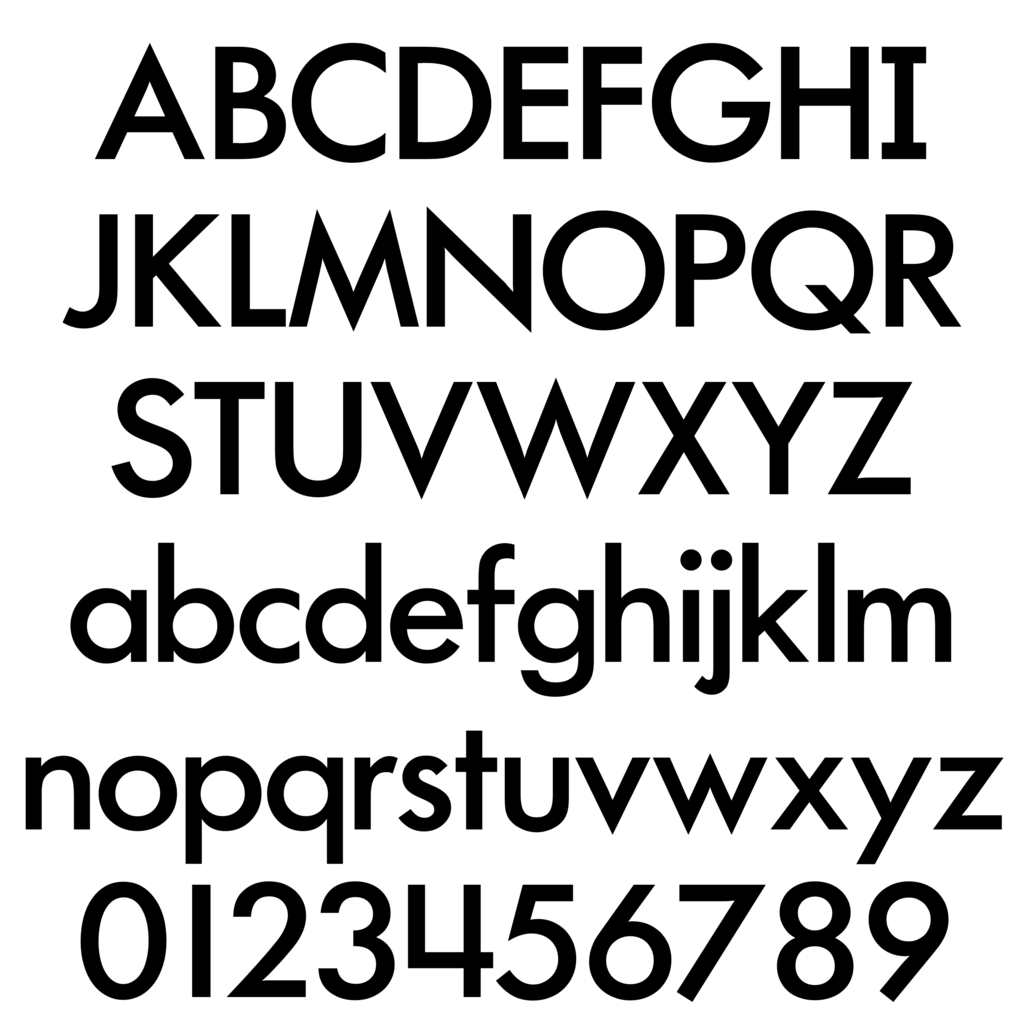
Welcome to English! The journey begins with the alphabet. There are 26 letters, and each one has two forms: an uppercase (or capital) letter and a lowercase letter. Think of them like a formal name and a nickname. 'A' is the uppercase form, and 'a' is the lowercase form. They make the same sound but are used in different situations, which we'll cover later. For now, just get familiar with their shapes.
Vowels and Consonants
The 26 letters are split into two important groups: vowels and consonants.
There are only five vowels: A, E, I, O, U. They are the most important letters because you can't form a word without one. They are the open, humming sounds that carry the word.
Every other letter is a consonant. Consonants are the sounds you make when your tongue, teeth, or lips briefly block the flow of air. Think of the sharp sound of 't' or the buzzing sound of 'z'. If vowels are the glue, consonants are the bricks that build a word around them.
vowel
noun
A speech sound made with your mouth fairly open, represented in writing by the letters A, E, I, O, U.
Learning to spot the vowels in a word is a key first step to being able to read it.
consonant
noun
A basic speech sound in which the breath is at least partly obstructed. All letters that are not vowels are consonants.
The Sounds Letters Make
Knowing the letter names is good, but knowing their sounds is how you learn to read. This is called phonics — connecting a letter's shape to the sound it makes. Most consonants make just one main sound. For example, the letter 'b' makes the /b/ sound you hear at the beginning of 'ball'.
Vowels are special. Each vowel can make at least two sounds: a "short" sound and a "long" sound.
Short vowel sounds are the most common. We use them in simple, everyday words.
| Vowel | Short Sound Example |
|---|---|
| a | apple, cat |
| e | egg, pen |
| i | igloo, sit |
| o | octopus, hot |
| u | umbrella, cup |
Long vowel sounds are easy to remember because they often sound just like the letter's name.
| Vowel | Long Sound Example |
|---|---|
| a | acorn, cake |
| e | eagle, feet |
| i | ice, bike |
| o | open, boat |
| u | unicorn, cute |
For now, we will focus only on the short vowel sounds. They are the key to unlocking your first words.
Putting It All Together
Let's read our first words! We'll start with a simple pattern: Consonant-Vowel-Consonant, or CVC words. These are simple three-letter words that follow a predictable pattern. The vowel in the middle almost always makes its short sound.
Let's try to read the word "cat":
- First Sound: The first letter is 'c'. It makes a /k/ sound, like the start of "kick".
- Second Sound: The middle letter is 'a'. In a CVC word, it makes its short sound: /æ/, like in "apple".
- Third Sound: The last letter is 't'. It makes a /t/ sound, like at the start of "top".
Now, blend those sounds together smoothly: /k/ - /æ/ - /t/. Say them faster and faster: /k/-/æ/-/t/ ... cat! You just read a word.
Try sounding out these other CVC words:
- pen
- sit
- top
- cup
- dog
- bed
This CVC pattern is one of the most important building blocks for reading English. Once you master it, you'll be surprised how many words you can suddenly read.
Time to review what you've learned about letters and their sounds.
Now, let's check your understanding.
How many letters are in the English alphabet?
Which of the following letters is a consonant?
Great work. Recognizing letters and their sounds is the first major step. Keep practicing, and soon you'll be decoding words everywhere you look.