Stablecoin Mechanics Explained
Introduction to Stablecoins
Taming Crypto Volatility
Cryptocurrencies like Bitcoin and Ether are known for their wild price swings. One day their value might soar, and the next it could plummet. This volatility makes them exciting for speculators, but it creates a major problem for everyday use.
Imagine trying to buy a coffee with a currency that could be worth $3 one minute and $5 the next. Or consider a business that accepts a payment, only to find it's worth 20% less by the end of the day. This unpredictability is a huge barrier to using cryptocurrencies for ordinary transactions. This is the problem stablecoins were created to solve.
stablecoin
noun
A type of cryptocurrency whose value is pegged to another asset, such as a fiat currency or gold, to maintain a stable price.
A stablecoin is a digital coin that aims to hold a steady value. Most stablecoins achieve this by pegging their value to a real-world asset, most commonly a major fiat currency like the U.S. dollar. The goal is to create a digital asset that always holds its worth, for example, where one stablecoin is always redeemable for one dollar.
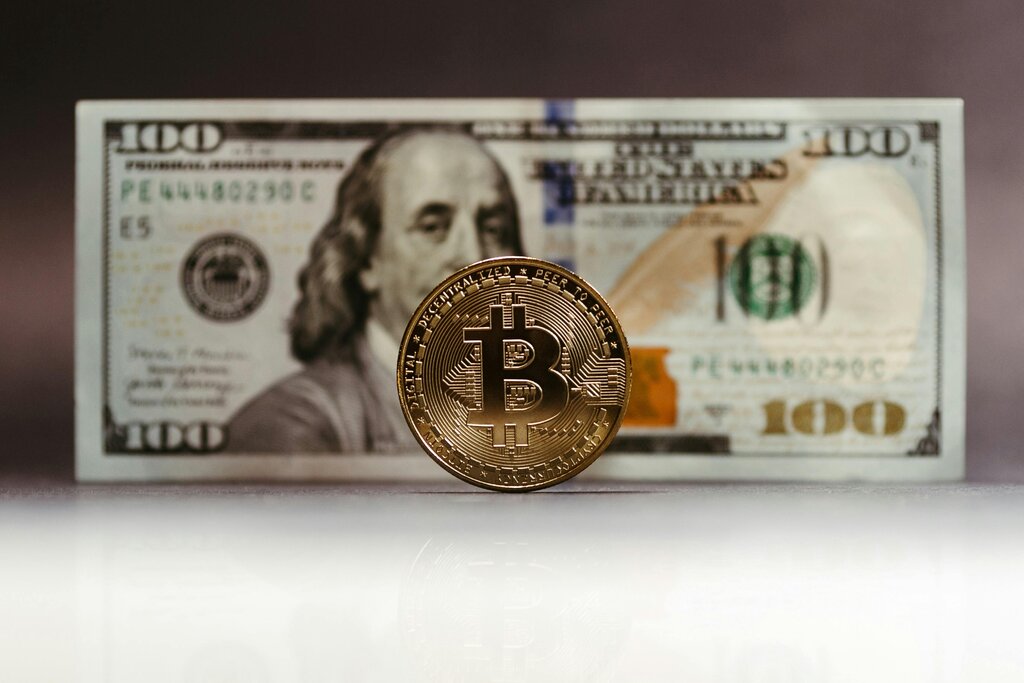
By mirroring the value of a stable asset, these coins combine the speed and global reach of cryptocurrency with the reliability of traditional money.
Why Use Stablecoins?
The primary purpose of stablecoins is to act as a safe haven from volatility within the crypto world. Traders can move their funds into a stablecoin to protect their value during market downturns without having to convert back into traditional currency, which can be slow and costly.
They also make digital payments practical. Sending money across borders using stablecoins can be faster and cheaper than traditional bank transfers. The recipient knows exactly how much they will get, without worrying that the value will change dramatically while the transaction is processing. This opens up possibilities for everything from international commerce to paying freelancers in other countries.
Think of a stablecoin as a digital dollar. It can move instantly anywhere in the world, 24/7, just like an email.
Stability vs. Speculation
So how do stablecoins stack up against cryptocurrencies like Bitcoin? The key difference lies in their purpose. Bitcoin is a decentralized asset with a limited supply, and its price is driven by market demand. People buy it hoping its value will increase over time. It's a speculative, high-risk investment.
Stablecoins are not designed to be an investment that grows in value. Their job is simply to hold their value. They are a tool for transactions and a store of value, not a vehicle for generating wealth. You wouldn't buy a U.S. dollar-pegged stablecoin expecting it to be worth $1.10 next week. You buy it because you're confident it will still be worth $1.00.
| Feature | Bitcoin | U.S. Dollar Stablecoin |
|---|---|---|
| Price | Highly volatile | Stable, pegged to $1 |
| Primary Use | Investment, store of value | Payments, trading, saving |
| Goal | Price appreciation | Maintain a steady value |
| Risk Profile | High | Low |
Let's check your understanding of these core concepts.
What is the primary problem in the cryptocurrency market that stablecoins were created to solve?
If a crypto trader expects the price of Bitcoin to drop sharply, what is a likely action they might take using stablecoins?
In short, stablecoins provide a crucial piece of infrastructure for the digital economy, offering a reliable medium of exchange that smooths out the turbulence of the broader crypto market.