Sri Lanka An Island Nation
Geography
An Island's Place in the World
Sri Lanka is an island nation located in the Indian Ocean, just southeast of the Indian subcontinent. Often called the "Teardrop of India" due to its shape, it's separated from the mainland by the narrow Palk Strait. Though small, its geography is surprisingly diverse.
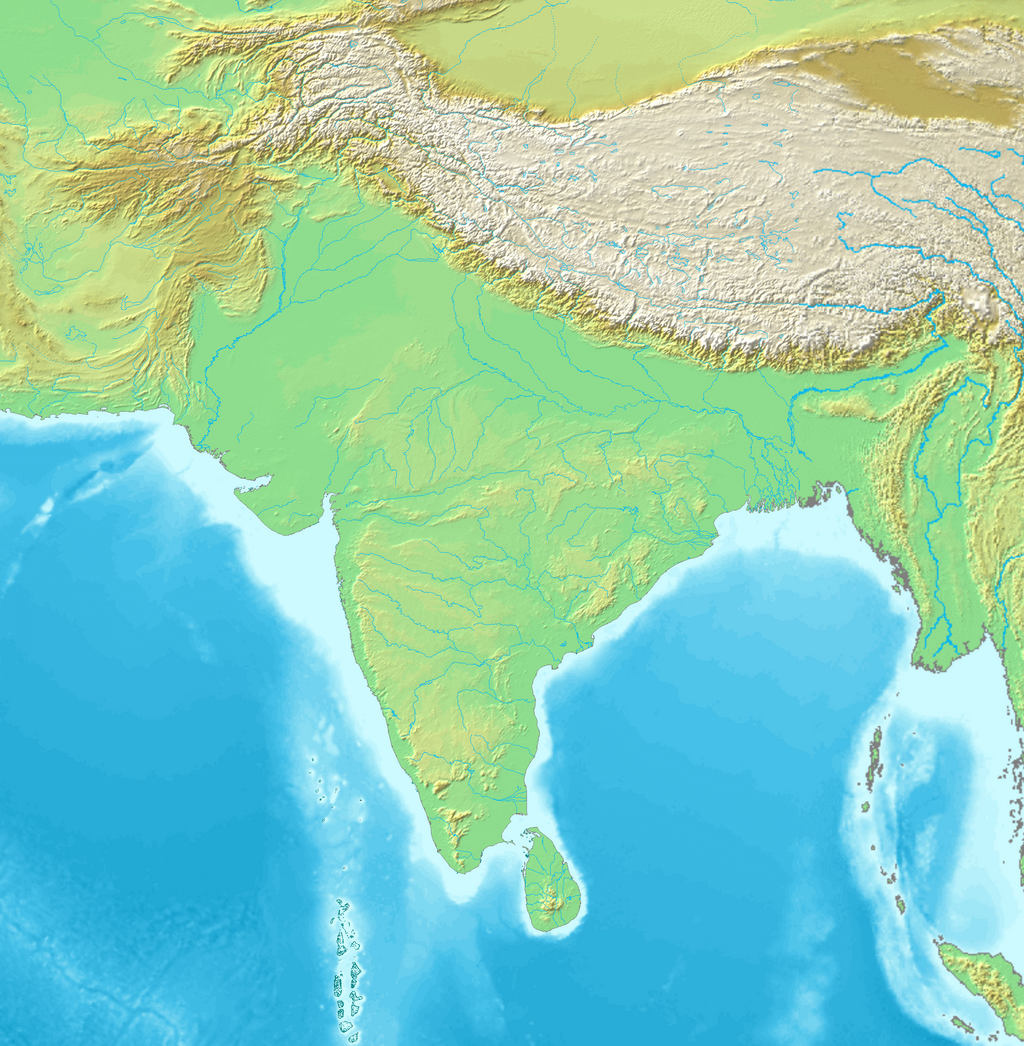
The island’s landscape can be split into two main parts. First, there are the coastal plains, which form a ring around the entire country. These low-lying areas are where most of the major cities, including the capital, Colombo, are located. The second part is the South-Central Highlands, a rugged massif of mountains and plateaus that rises dramatically from the plains. This mountainous core is the heart of the island's geography.
Think of Sri Lanka's topography like a fried egg: a flat, wide ring of coastal plains (the white) surrounding a high, round mound of central mountains (the yolk).
Mountains and Rivers
The central highlands are the source of almost all of Sri Lanka's major rivers. Rain that falls on these mountains flows outward in all directions, creating a radial drainage pattern. These rivers are vital, providing water for agriculture, drinking, and generating hydroelectric power.
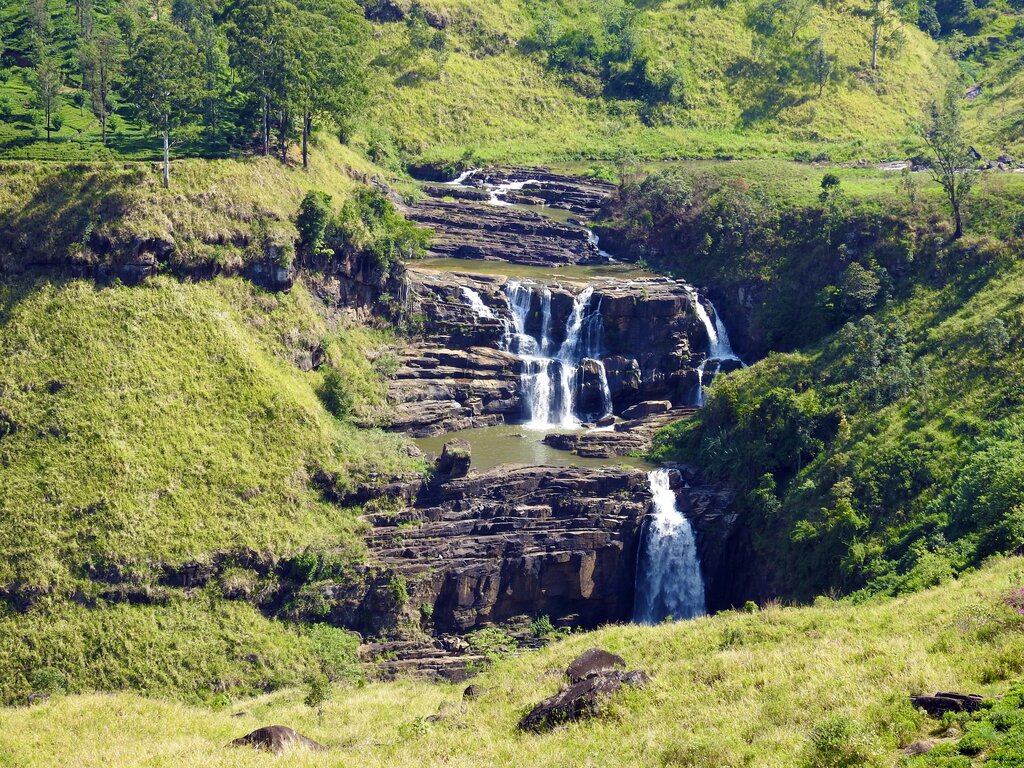
The tallest mountain is Pidurutalagala, which reaches an elevation of 2,524 meters (8,281 feet). While not as famous as the culturally significant Adam's Peak, it is the highest point on the island. The longest and most important river is the Mahaweli. It starts in the western highlands and follows a winding 335-kilometer path before emptying into the Bay of Bengal on the northeast coast. Its journey supports vast areas of farmland along its banks.
A Tale of Two Monsoons
Sri Lanka has a tropical climate, meaning it's warm year-round. But its rainfall is defined by two distinct monsoon seasons that affect different parts of the island at different times. This is a key reason for the country's varied ecosystems.
From May to September, the Yala monsoon brings rain from the southwest. This drenches the southern and western coastal plains and the highlands.
From December to February, the Maha monsoon arrives from the northeast, bringing rain to the northern and eastern parts of the island.
This pattern creates distinct climate zones. The southwestern part of the island, receiving rain from the Yala monsoon, is known as the "wet zone" and is home to lush rainforests. The northern and eastern regions, which get less overall rainfall, make up the "dry zone."
Natural Wealth and Biodiversity
Sri Lanka's geography has blessed it with valuable natural resources. The island is world-famous for its gemstones, including sapphires, rubies, and garnets, which are found in alluvial deposits washed down from the highlands. It is also a major producer of high-quality graphite.
The fertile soil, particularly in the wet zone and highlands, is perfect for agriculture. This is why Sri Lanka is renowned for its tea plantations, which carpet the hills of the central highlands. Rubber and coconut are other major agricultural exports, grown mostly in the coastal plains.
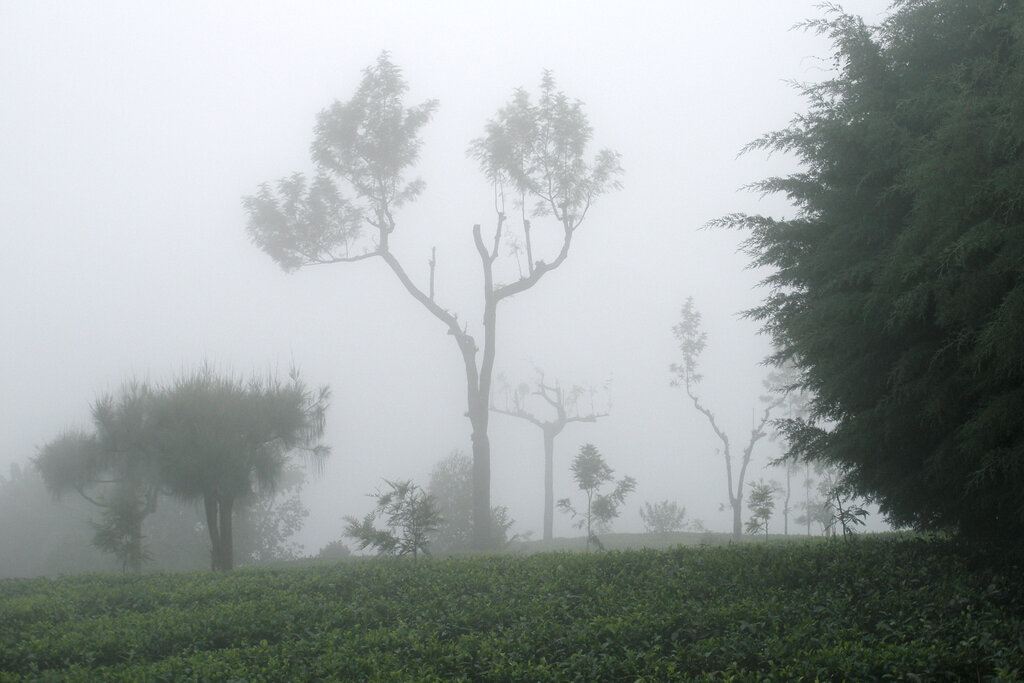
This unique combination of topography and climate has also created incredible biodiversity. The island's rainforests, such as the Sinharaja Forest Reserve, are a UNESCO World Heritage site, packed with plant and animal species found nowhere else on Earth. The varied landscape supports everything from coastal lagoons and mangroves to misty mountain forests, making Sri Lanka a hotspot for wildlife.
Ultimately, geography shapes how and where people live. The concentration of agriculture in the wet zone and the development of cities along the coast are direct results of the island's physical features. Understanding this connection is key to understanding Sri Lanka itself.
Time to review the key geographical terms we've covered.
Let's see what you remember about the island's physical landscape.
Sri Lanka's landscape is primarily divided into which two main geographical parts?
The rivers in Sri Lanka originate in the central highlands and flow outward in all directions, creating what kind of drainage pattern?
From its location to its climate, Sri Lanka's geography is a story of diversity packed into a small island.