Squarespace SEO Mastery
Introduction to SEO
Getting Found Online
Imagine you've written the best book in the world, but it's hidden in a library with millions of other books and no catalog. How would anyone ever find it? The internet is that library, and your website is that book. Search Engine Optimization, or SEO, is the process of creating a clear catalog entry so that when people search for a topic you cover, your website shows up.
SEO is the practice of increasing the quantity and quality of traffic to your website through organic search engine results.
It’s not about tricking search engines. It’s about helping them understand what your page is about and showing them that it’s a high-quality, trustworthy source of information. When someone types a question into Google, you want your site to be one of the top answers. Good SEO makes that happen.
How Search Engines Work
Search engines don't magically know about every page on the web. They use a three-step process to discover, understand, and organize online content.
1. Crawling: Search engines use automated programs called crawlers or spiders to travel the web. They follow links from one page to another to discover new content.
2. Indexing: After a crawler finds a page, the search engine tries to understand what it's about. It analyzes the content, images, and video files on the page and stores this information in a massive database called an index. Think of it as a giant digital library for the entire internet.
3. Ranking: When you perform a search, the engine scours its index for relevant results. It then ranks them based on what it believes will best answer your query. This is where the magic happens.
The Building Blocks of SEO
To determine the best results for a search, engines look at hundreds of factors. While the exact formula is a secret, we know that a few key concepts form the foundation of any good SEO strategy.
Keyword
noun
A word or phrase that people type into search engines to find information.
Keywords are the bridge between what people are searching for and the content you are providing to fill that need. By including relevant keywords in your website's text, you're signaling to search engines what your page is about. This helps them match your site to the right searches.
Backlink
noun
A link from one website to another.
Search engines view backlinks as votes of confidence. If many reputable websites link to your page, search engines interpret this as a sign that your content is valuable and trustworthy, which can boost your ranking. The quality of the linking site matters more than the sheer number of links.
A single backlink from a highly respected site like a major news organization is far more valuable than a hundred links from unknown blogs.
Finally, all of this is governed by search engine algorithms. These are the complex and constantly evolving sets of rules that search engines use to rank web pages. The algorithms consider everything: keywords, backlinks, website speed, mobile-friendliness, content quality, and much more.
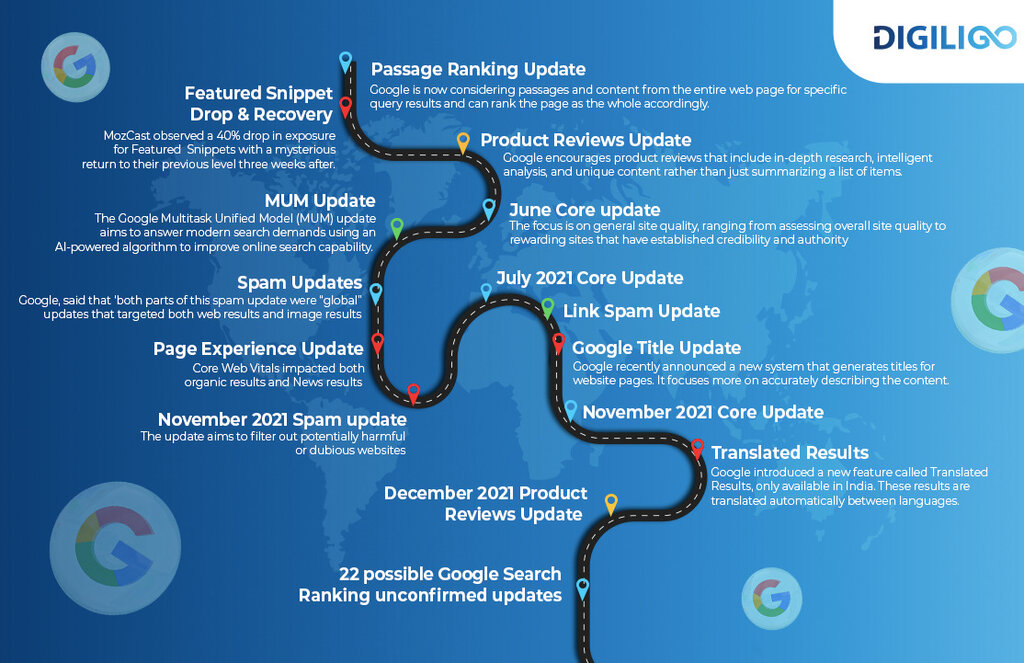
Understanding these core principles is the first step toward making your website more visible. By creating high-quality content that aligns with what users are searching for and earning trust from other sites, you're laying a solid foundation for your SEO.