SQL Fundamentals
Introduction to Databases
What Is a Database?
At its core, a database is an organized collection of data, stored electronically. Think of it as a sophisticated digital filing cabinet. Instead of stuffing papers into folders, you store information in a structured way that makes it easy to find, manage, and update.
Imagine running an online store. You need to keep track of customers, products, and orders. A database lets you store this information neatly. Each customer has a name and address, each product has a price and inventory count, and each order connects a specific customer to one or more products.
Without a database, this information would be a chaotic mess, making it nearly impossible to run the business efficiently.
The most common type of database organizes information into tables. These tables are designed to hold specific types of information.
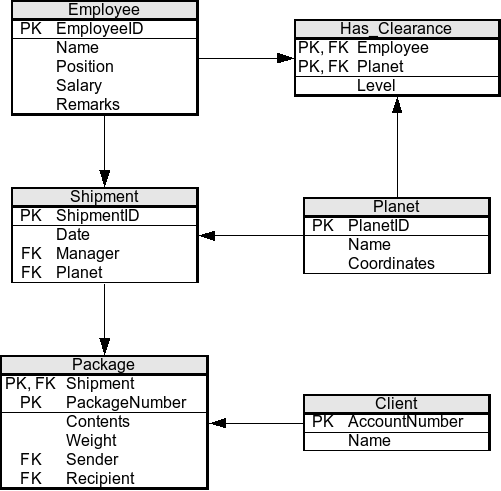
Let's break down the basic components of this structure.
Table
noun
A collection of related data held in a structured format within a database, consisting of columns and rows.
Row
noun
A single record in a table. Each row represents one complete item or entry.
Column
noun
A vertical set of data values of a particular type, one for each row of the table. Columns define the attributes of the items in the table.
Types of Databases
While there are many kinds of databases, they generally fall into two main categories: relational and NoSQL.
Relational databases are the most common. They store data in tables that are linked to one another. For example, an Orders table might link to a Customers table using a customer ID. This creates clear relationships between different pieces of data, which is why they are called "relational." This strict structure ensures data is consistent and reliable. They use a language called SQL (Structured Query Language) to manage data.
NoSQL databases are different. The name stands for "Not only SQL." They are more flexible and don't always use tables with rows and columns. Instead, they might store data in documents, key-value pairs, or graphs. This makes them great for handling large amounts of unstructured data, like social media posts, or data that changes frequently.
| Feature | Relational (SQL) | NoSQL |
|---|---|---|
| Structure | Strict, predefined (tables) | Flexible, dynamic (documents, graphs, etc.) |
| Example Data | Customer orders, financial records | Social media feeds, IoT sensor data |
| Best For | Consistency and reliability | Scalability and handling unstructured data |
Why Databases Matter
Databases are the invisible backbone of almost every application you use. When you log into an app, search for a product on a website, or check your bank balance, you're interacting with a database.
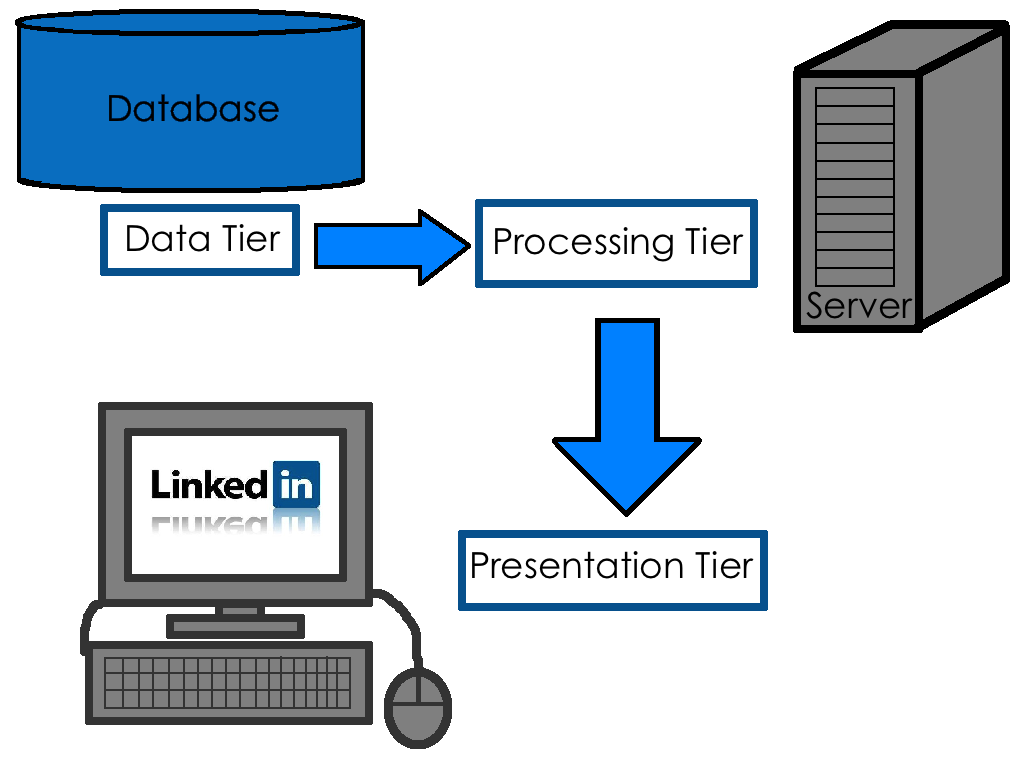
They provide a reliable way to store, secure, and retrieve data. By managing data efficiently, they allow applications to run smoothly, whether they're serving one user or millions. Understanding how they work is the first step toward learning how to build powerful, data-driven applications.
Let's check your understanding of these fundamental concepts.
What is the primary purpose of a database?
A database that organizes data into tables with clear, predefined relationships between them is known as a ________ database.
Now that you have a solid grasp of what a database is and its basic structure, you're ready to learn how to communicate with one.