SQL Database Schema Fundamentals
Introduction to Database Schemas
The Blueprint of a Database
Think about building a house. You wouldn't just start throwing bricks and wood together. You'd start with a blueprint, a detailed plan that shows where every room, door, and window goes. A database schema is the blueprint for your data.
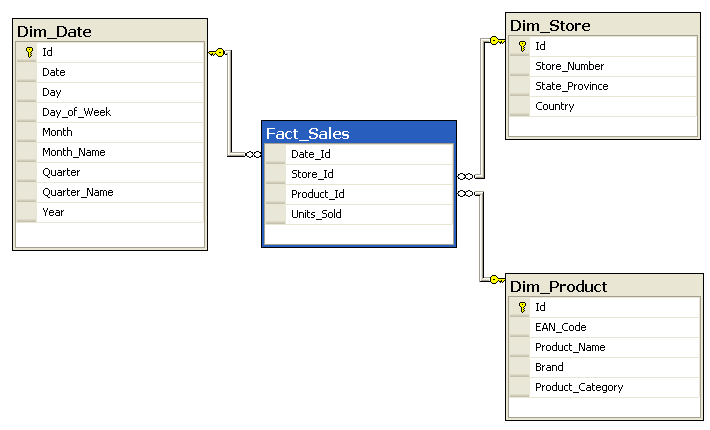
A schema is a logical plan that outlines how data is organized and connected within a relational database. It's the framework that holds everything together.
This structure is essential. Without it, a database would be a chaotic jumble of information, making it impossible to find what you need. The schema defines the rules, ensuring that data is stored consistently and logically.
What's Inside a Schema?
A schema is built from several key components. Each one has a specific job in organizing the data.
| Component | Purpose |
|---|---|
| Tables | The primary structures for storing data, organized into rows and columns, much like a spreadsheet. |
| Views | A virtual table based on the result of a query. It allows you to present a specific slice of data from one or more tables without storing the data again. |
| Indexes | Special lookup tables that the database search engine can use to speed up data retrieval. Think of it as the index in the back of a book. |
| Relationships | The connections between tables. They define how data in one table is linked to data in another, creating a web of related information. |
Why Schemas Matter
A well-designed schema is critical for a healthy database. It's not just about organization; it directly impacts performance, reliability, and how the database grows over time.
Data Integrity: Schemas enforce rules, like what type of data can go in a column (e.g., numbers only) or ensuring every user has a unique ID. This prevents garbage data from corrupting the database.
Efficient Retrieval: By defining clear structures and relationships, schemas allow the database to find and retrieve information quickly. An organized database is a fast database.
Scalability: As an application grows, so does its data. A logical schema makes it easier to expand the database, add new features, and manage more information without everything falling apart.
The systems that manage these structured databases are called Relational Database Management Systems, or RDBMS. You may have heard of some, like MySQL, PostgreSQL, or SQL Server. They all rely on schemas to function.
A well-designed schema is the architectural blueprint for a scalable and maintainable database.
Now that you understand the basic components, let's review them.
Time to check your understanding.
What is the primary role of a database schema, using the analogy of a house blueprint?
A database without a schema is like a chaotic jumble of information.
Understanding schemas is the first step toward designing effective and efficient databases. It provides the foundation upon which all data operations are built.