Spotting UX Dark Patterns
Introduction to Dark Patterns
What Are Dark Patterns?
Have you ever tried to unsubscribe from an email list, only to find yourself clicking through a maze of confusing options? Or maybe you've signed up for a free trial and later discovered it was nearly impossible to cancel. These experiences aren't accidents or bad design. They're often intentional choices.
Dark patterns are user interface design choices that benefit an online service by coercing, steering, or deceiving users into making decisions they wouldn't otherwise make.
The key word is intentional. A dark pattern isn't just a poorly designed button. It's a carefully crafted feature that exploits human psychology to trick you into doing something, like buying a more expensive product, giving away personal data, or staying subscribed to a service. They prioritize business goals over the user's best interests, often eroding trust in the process.
A Quick History
While manipulative practices in sales and advertising have existed for centuries, the term "dark pattern" is much newer. It was coined in 2010 by UX designer Harry Brignull. He started cataloging these deceptive techniques to raise awareness among designers and consumers.
Brignull's work gave a name to a growing problem in the digital world. As companies began to understand user behavior on a massive scale, some used that knowledge not to improve the user experience, but to exploit it. Naming and defining these patterns was the first step toward fighting back.
The Ethical Problem
Dark patterns operate in a gray area. While some are clearly deceptive, others are more subtle. The fundamental ethical issue is the violation of user trust and autonomy. Good design should empower users to make informed decisions. Dark patterns do the opposite; they manipulate users by taking advantage of cognitive biases, like our tendency to skim text or follow the most visually prominent path.
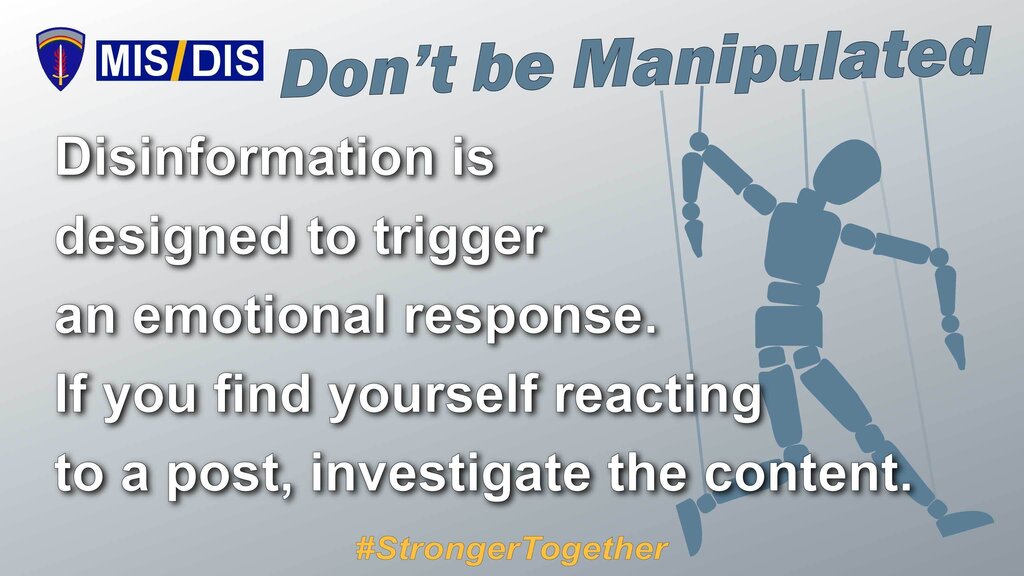
When a user feels tricked, it damages their relationship with the product and the company behind it. Ethical design, on the other hand, builds loyalty by respecting the user's intelligence and right to choose freely. It's about creating experiences that are not only usable but also transparent and fair.
Now that you understand the basics, let's test your knowledge.
What is the primary characteristic that defines a design element as a "dark pattern"?
The term "dark pattern" was coined in 2010 by UX designer Harry Brignull.
Understanding what dark patterns are is the first step. Next, we'll look at the specific types you're likely to encounter.