Spotting UX Dark Patterns
Introduction to Dark Patterns
Designs That Deceive
Every day, we interact with dozens of digital interfaces, from apps on our phones to websites on our computers. Good design makes these interactions smooth, intuitive, and even enjoyable. It guides us, helps us achieve our goals, and builds our confidence in a product. But what happens when that guidance becomes manipulation?
Sometimes, design isn't meant to help. Instead, it's crafted to trick you into doing things you didn't intend to do, like signing up for a recurring subscription or sharing more personal data than you're comfortable with. These deceptive design choices are known as dark patterns.
Dark Pattern
noun
A user interface that has been carefully crafted to trick users into doing things, such as buying insurance with their purchase or signing up for recurring bills.
Think of it like walking into a store where the exit signs are deliberately confusing, leading you past more aisles of products before you can leave. The intent is not to improve your experience but to benefit the business at your expense. Dark patterns operate on the same principle, using psychology and design knowledge against the user.
A Term is Coined
The phrase "dark pattern" was coined in 2010 by UX specialist Harry Brignull. He noticed a rise in interfaces that seemed intentionally misleading. By creating a name for these practices, he gave designers and users a vocabulary to identify, discuss, and criticize them.
The goal was to shed light on these manipulative techniques. Once you can name something, you can start to see it everywhere. This awareness is the first step toward advocating for more honest and transparent design.
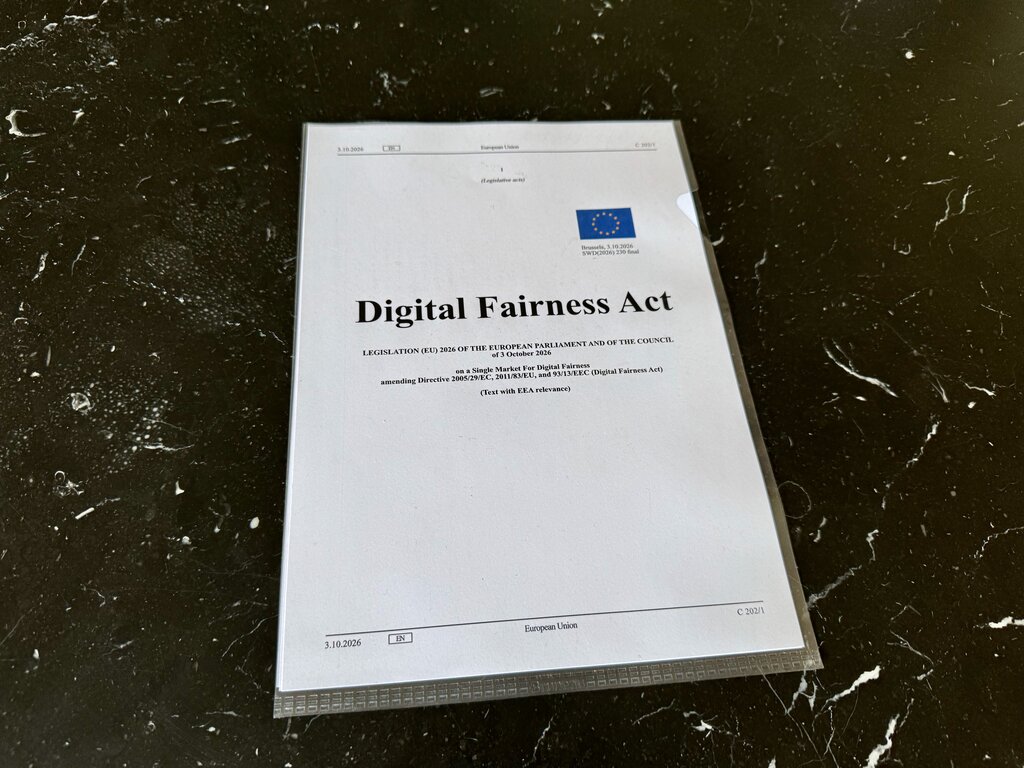
The Ethical Line
There's a fine line between persuasion and deception. A well-designed checkout process, for example, makes it easy to complete a purchase. That's persuasive and helpful. A checkout process that automatically adds an expensive, hard-to-remove item to your cart is deceptive. It crosses an ethical boundary.
Designers have a responsibility to the people who use their products. Their goal should be to create clear, honest, and empowering experiences. Using dark patterns betrays that responsibility by prioritizing business metrics over the user's well-being and autonomy.
Ethical design puts the user's needs first. Dark patterns put the business's goals first, often at the user's direct expense.
The Cost of Lost Trust
While a dark pattern might lead to a short-term gain, like an extra sale or a newsletter subscription, the long-term damage can be significant. When users feel tricked or manipulated, they lose trust in the brand. That trust is incredibly difficult to win back.
A damaged reputation can spread quickly through word-of-mouth and social media. In the long run, transparent and user-centric design builds a loyal customer base that is far more valuable than any quick win gained through deception.
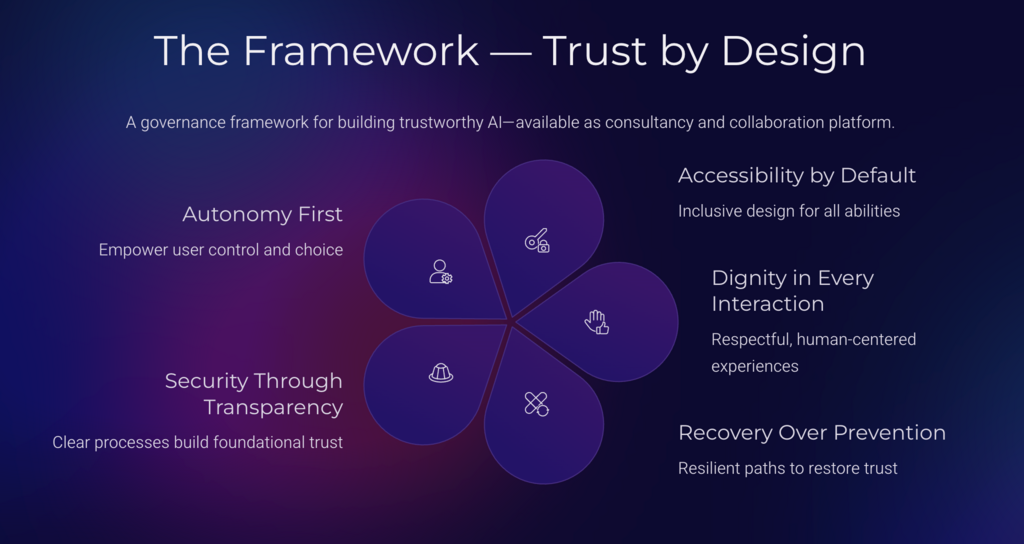
Understanding what dark patterns are is the first step. By recognizing these manipulative techniques, you can make more informed choices as a consumer and advocate for more ethical practices as a designer or developer. Ultimately, good design should empower users, not exploit them.