Spotting UX Dark Patterns
Introduction to Dark Patterns
What Are Dark Patterns?
Have you ever tried to unsubscribe from an email list, only to find the “unsubscribe” link hidden in tiny, light gray text at the very bottom of the page? Or maybe you've signed up for a free trial and later discovered you were automatically enrolled in a paid subscription that’s difficult to cancel. These experiences aren't accidental. They're often the result of carefully crafted design choices.
Dark patterns are design choices that deliberately manipulate users into making decisions that benefit the business, often at the user’s expense.
These are tricks used in websites and apps that make you do things you didn't mean to, like buying or signing up for something. They work by taking advantage of how people typically interact with digital interfaces. We often scan pages quickly and click on familiar-looking buttons, and dark patterns exploit these habits.
The term was coined in 2010 by user experience (UX) specialist Harry Brignull. He was frustrated by the rise of manipulative interfaces and wanted a way to name and shame the companies using them. By giving these deceptive practices a name, it became easier for designers and consumers to identify and discuss them.
Design With a Conscience
At its heart, user experience design is about empathy. It’s about understanding a user's needs and creating a product that is helpful, easy to use, and enjoyable. Dark patterns turn this principle on its head. Instead of helping the user, they prioritize business goals, like increasing sales or retaining subscribers, at the user's expense.
The core ethical problem with dark patterns is the lack of informed consent. Users are guided into making decisions without fully understanding the long-term consequences of their actions.
This manipulation can have real-world effects. It might lead to small annoyances, like receiving unwanted emails, or more significant problems, such as unexpected charges on a credit card. Over time, these experiences erode trust between a company and its customers. When users feel tricked, they are less likely to engage with the product or brand in the future.
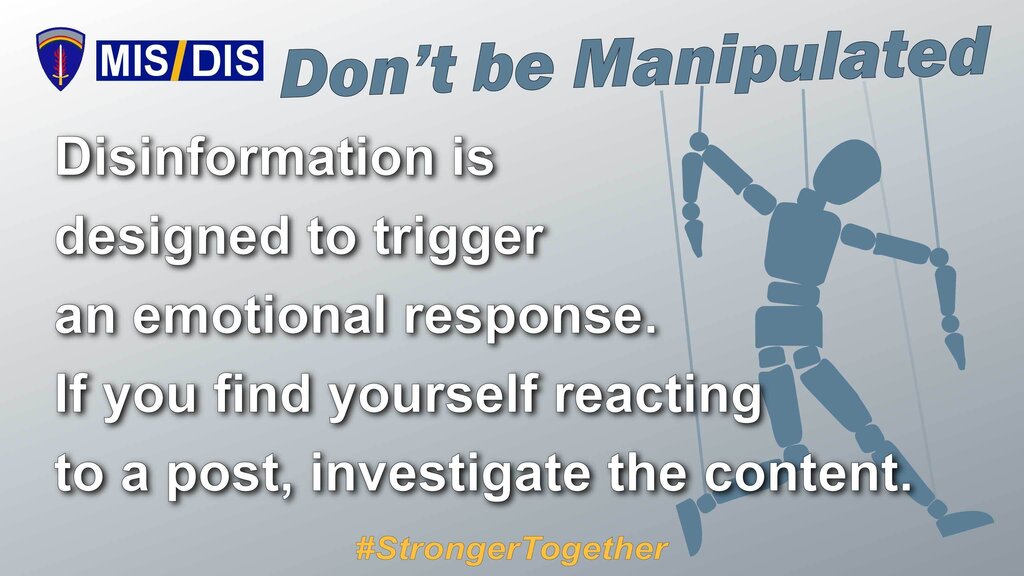
Using dark patterns can also create legal risks, as governments and regulatory bodies are becoming more aware of these deceptive practices. Laws protecting consumers are evolving to address digital manipulation, and companies that use dark patterns may face fines and legal challenges.
What is the primary purpose of a "dark pattern" in user interface design?
The term "dark patterns" was coined in 2010 by UX specialist Harry Brignull to name and shame companies using manipulative interfaces.
Understanding what dark patterns are is the first step toward recognizing them in the wild. As you browse the web and use apps, you can start to notice when a design is guiding you a little too forcefully.