Spotting UX Dark Patterns
Introduction to Dark Patterns
What Are Dark Patterns?
Have you ever tried to unsubscribe from an email list, only to find yourself navigating a maze of confusing options? Or maybe you've signed up for a free trial and later discovered you were automatically enrolled in a paid subscription. These aren't accidents or bad design. They are often intentional choices.
Dark patterns are design tactics that trick users into doing things they didn’t intend to do.
In user experience (UX) design, the goal is to create products that are easy and enjoyable to use. Good design guides users and helps them achieve their goals. Dark patterns do the opposite. They use knowledge of human psychology to nudge, trick, or coerce people into actions that benefit the business, often at the user's expense. Instead of a helpful guide, the design becomes a sly manipulator.
Design with Responsibility
The use of dark patterns raises serious ethical questions. At its core, design is about solving problems for people. When a design deliberately misleads someone, it breaks a fundamental trust between the user and the company. A user who feels tricked is unlikely to remain a loyal customer. While a dark pattern might lead to a short-term gain, like a single accidental purchase, it can cause long-term damage to a brand's reputation.
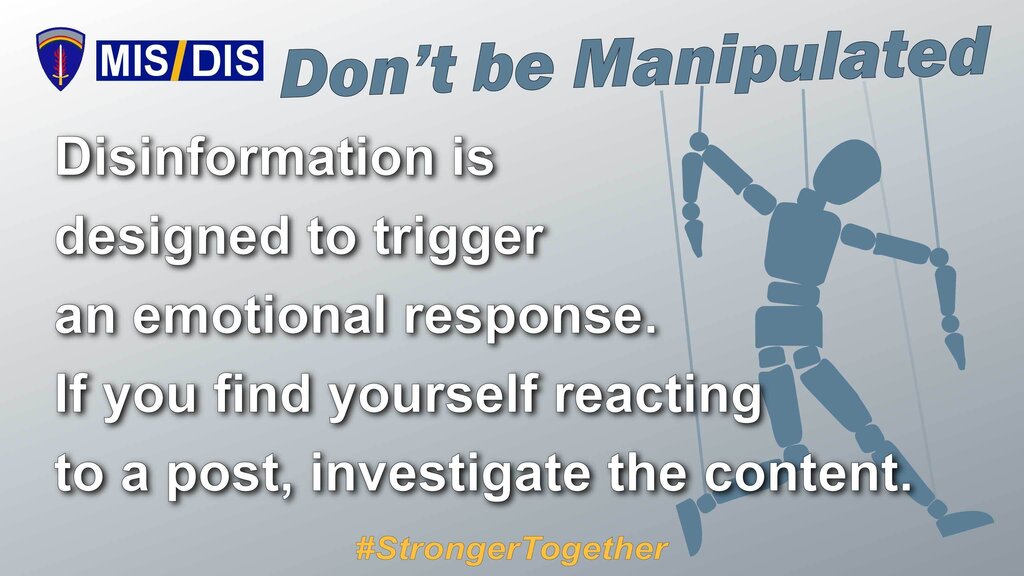
Ethical design, on the other hand, prioritizes transparency and user control. It means giving people clear choices, straightforward information, and an easy way to back out of a decision. It’s about respecting the user's autonomy rather than exploiting their cognitive biases.
A Glimpse into the Shadows
Dark patterns come in many forms, each with its own deceptive strategy. While we'll explore them in detail later, they generally fall into a few common categories.
Some common types include tricking you into publicly sharing more information than you intended, making it difficult to cancel a subscription, or sneaking extra items into your shopping cart without your knowledge.
Other tactics involve using confusing language to obscure choices, creating a false sense of urgency to rush a decision, or hiding important information in hard-to-find places. Recognizing these patterns is the first step toward becoming a more conscious user and a more ethical designer.
Now, let's test your understanding of these core ideas.
What is the primary goal of a dark pattern in UX design?
Ethical design is primarily concerned with...
Understanding what dark patterns are is crucial. Next, we'll look at specific examples to see how they appear in the wild.