Spotting UX Dark Patterns
Introduction to Dark Patterns
What Are Dark Patterns?
Imagine you're walking through a store. Good design is like clear, helpful signs that guide you to what you need. Dark patterns are like trick doors, confusing layouts, and items that sneak into your cart just before you check out. They're design choices in websites and apps that intentionally trick you into doing things you didn't mean to do.
Dark patterns are user interfaces and experiences, like those found in websites and apps, that are deliberately (a.k.a. very much on purpose!) designed to trick the user into doing certain things, like signing up inadvertently for extra “insurance” when they buy an experience, or camouflaged ads that don’t look like ads so that the user clicks on them.
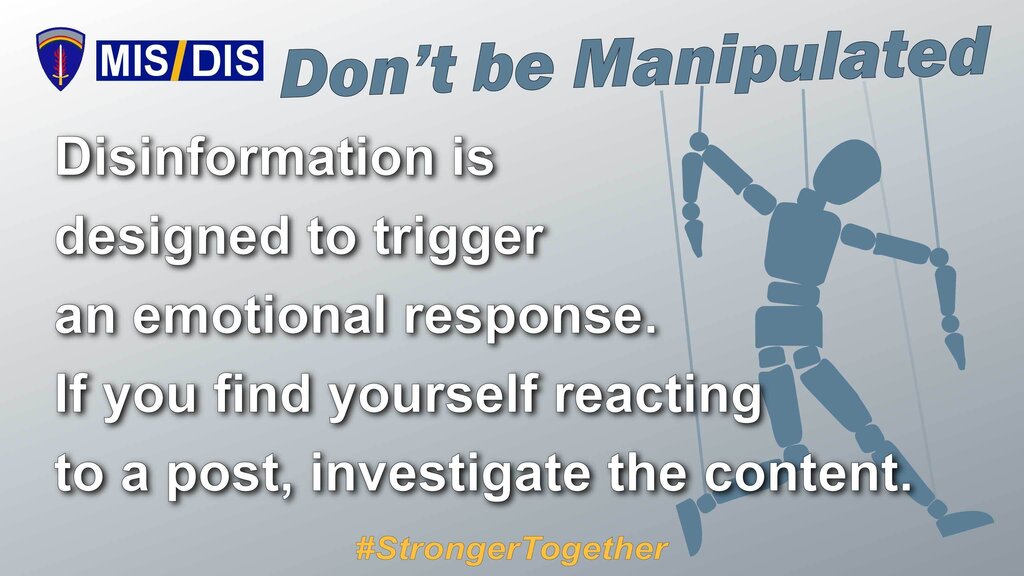
These aren't mistakes or bad design. They are carefully crafted to exploit human psychology. A good user experience (UX) empowers you by making things easy and clear. A dark pattern manipulates you for the benefit of the business, often at your expense.
Good design guides. Dark patterns mislead.
Design with a Conscience
The use of dark patterns is an ethical issue. When a company uses them, it's knowingly creating a frustrating and deceptive experience. This might lead to a short-term gain, like an extra sale or a new subscriber, but it comes at a high cost: user trust.
Think about it. If a friend tricked you, you'd be less likely to trust them again. The same is true for digital products. When users feel manipulated, they lose confidence in the brand. Over time, this erodes loyalty and can damage a company's reputation. Ethical design, on the other hand, builds strong, lasting relationships with users by being transparent and respectful.
A Brief History
These deceptive practices have been around for a while, but they didn't have a name until 2010. That's when UX designer Harry Brignull coined the term "dark patterns." He wanted to identify and name these manipulative tactics to raise awareness among designers and consumers.
By creating a shared vocabulary, Brignull empowered people to call out bad design. His work sparked a broader conversation about ethics in technology and led to campaigns and websites dedicated to exposing dark patterns in the wild. The goal was simple: to shame companies into being more transparent and user-friendly.
Now that you understand the basics, let's test your knowledge.
What is the primary goal of a dark pattern in user interface design?
Using dark patterns may lead to short-term gains for a company, but it primarily damages long-term user trust and loyalty.
Understanding what dark patterns are is the first step toward recognizing them and advocating for more ethical, transparent design.