Spotting UX Dark Patterns
Introduction to Dark Patterns
What Are Dark Patterns?
Have you ever tried to unsubscribe from an email list, only to find the “unsubscribe” link hidden in tiny, light-gray font at the very bottom of the page? Or perhaps you've signed up for a free trial that seamlessly converts to a paid subscription, making it incredibly difficult to cancel. These aren't accidents; they are examples of dark patterns.
Dark patterns are design choices that deliberately manipulate users into making decisions that benefit the business, often at the user’s expense.
The term was coined in 2010 by user experience (UX) designer Harry Brignull. He created a library of these deceptive practices to name and shame companies that use them. The core idea is that these designs exploit common knowledge about human psychology to trick people into doing things they wouldn't normally do, like buying more than they intended or sharing personal data.
If you’ve ever found it easier to sign up for an account than it is to cancel it, you’ve stumbled onto a dark pattern.
Design With a Hidden Agenda
Good UX design aims to be clear, helpful, and respectful of the user's time and intentions. It builds a bridge between what a user wants to accomplish and what a product allows them to do. Dark patterns, however, burn that bridge. They prioritize business goals, like increasing sales or retaining users, over the user's own interests.
This creates a serious ethical problem. While all businesses want to succeed, using manipulative design tactics crosses a line. It's the difference between persuasion—making a compelling case for a product—and deception—tricking someone into a decision.
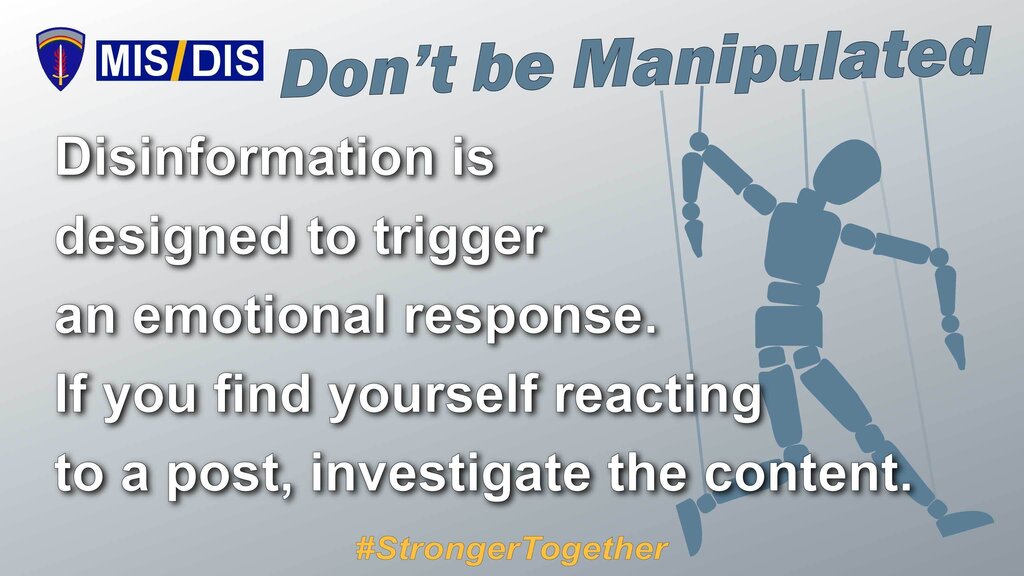
The impact of these patterns goes beyond a single frustrating experience. When a user feels tricked, they lose trust in the company. That lost trust can be hard, if not impossible, to win back. Over time, a reliance on dark patterns can damage a brand's reputation and lead customers to seek out more transparent competitors.
Dark patterns are inherently unethical, eroding trust between users and companies.
Recognizing these patterns is the first step toward making more informed choices as a consumer. By understanding the intent behind a design, you can better navigate the digital world and avoid being pushed into decisions that don't serve you.