Spotting UX Dark Patterns
Introduction to Dark Patterns
What Are Dark Patterns?
Have you ever tried to unsubscribe from an email list, only to find the “unsubscribe” link nearly impossible to find? Or maybe you've signed up for a free trial and later discovered you were automatically enrolled in a paid subscription that's incredibly difficult to cancel. These aren't accidents or poor design. They are intentional choices.
Dark patterns are user interface elements that intentionally trick or manipulate users into taking actions they wouldn’t otherwise take.
Think of it like a physical store with a confusing layout designed to make you walk past tempting sale items on your way to the exit. Online, these tricks are embedded in the user interface (UI) to guide you toward actions that benefit the company, often at your expense. They exploit common user behaviors and psychological principles to get you to do things like buy more, share personal data, or stay subscribed to a service.
Dark Pattern
noun
A user interface that has been carefully crafted to trick users into doing things, such as buying insurance with their purchase or signing up for recurring bills.
A Brief History
The term “dark pattern” was coined in 2010 by UX designer Harry Brignull. Frustrated by the rise of deceptive design practices, he started a website to name and shame companies using these tricks. His goal was to create a shared vocabulary for designers and consumers to identify and push back against manipulative interfaces.
Before Brignull gave it a name, this kind of design existed, but it was harder to call out. By defining the concept, he helped bring it into the mainstream conversation about digital ethics. The core idea is a direct contrast to the principles of good user experience, which prioritizes clarity, transparency, and empowering the user to make informed decisions.
The Ethical Dilemma
The use of dark patterns creates a significant ethical conflict. On one hand, companies are driven to increase metrics like sales, sign-ups, and user engagement. On the other, these tactics often deceive users and erode their trust. When a user feels tricked, they are less likely to have a positive relationship with that brand in the long run.
This manipulation can have real consequences. It might lead to unintended purchases, sharing more personal information than desired, or simply a deep sense of frustration. It fundamentally disrespects the user's autonomy by making it difficult for them to act in their own best interest.
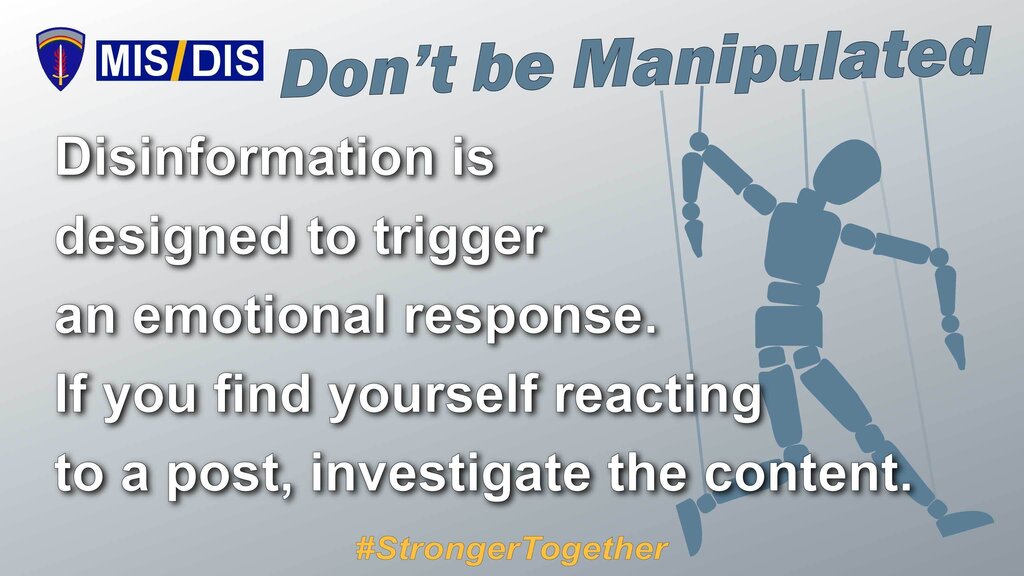
Ethical design, by contrast, focuses on building trust and providing genuine value. It means being upfront about costs, making options clear, and ensuring that canceling a service is just as easy as signing up for it. While dark patterns might offer short-term gains for a business, they can cause long-term damage to its reputation and customer loyalty.
Now that you understand the basics of what dark patterns are, where they came from, and why they're an issue, let's test your knowledge.
What is the primary goal of a "dark pattern" in user interface design?
Who coined the term "dark pattern" in 2010 to create a vocabulary for discussing deceptive design?
Recognizing the fundamentals of dark patterns is the first step toward promoting more ethical and user-friendly digital spaces.