Spotting UX Dark Patterns
Introduction to Dark Patterns
Designs That Deceive
Have you ever tried to unsubscribe from an email list, only to find the button is nearly invisible? Or maybe you've signed up for a free trial and later discovered you were automatically enrolled in a paid subscription that's incredibly difficult to cancel. These aren't accidents or poor design choices. They're intentional.
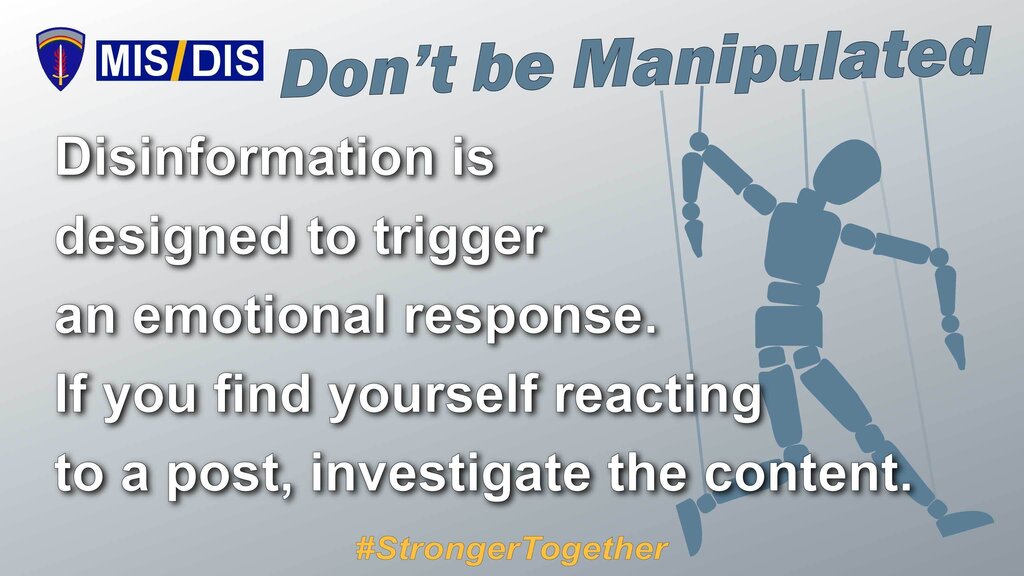
Dark patterns are design tactics that trick users into doing things they didn’t intend to do.
These deceptive tricks are called dark patterns. They are user interface designs crafted to make you take actions you might not otherwise take, like buying more, signing up for something, or giving away personal information. The term was coined in 2010 by UX designer Harry Brignull, who started documenting these practices to raise awareness among consumers and designers.
The Ethical Line
Good design helps people. It makes complex things feel simple and empowers users to achieve their goals. Dark patterns do the opposite. They exploit cognitive biases, like our tendency to skim text or follow the most prominent visual cues, for a company's benefit.
This raises a serious ethical question: Where do you draw the line between persuasive design and outright manipulation? Ethical design prioritizes the user's best interests. It's transparent, honest, and gives people clear control over their decisions. Dark patterns violate this trust by intentionally creating confusion and frustration.
The Cost of Deception
A company might see a short-term win from a dark pattern, like a temporary boost in subscriptions or sales. But this approach is shortsighted. When people feel tricked or misled, they lose trust in the brand. That loss of trust is hard to win back.
A damaged reputation can be far more costly than any small gain achieved through deception. Users are more likely to share negative experiences than positive ones, and in the long run, transparent and user-friendly design builds a more loyal customer base.
Using dark patterns can erode user trust. Short-term gains from manipulation often lead to long-term damage to a brand's reputation.
Now that you understand the basic concept, let's test your knowledge.
What is the primary purpose of a “dark pattern” in user interface design?
A company that uses dark patterns is prioritizing which of the following?
Recognizing these patterns is the first step toward promoting more ethical and user-centric design across the web.