Spotting UX Dark Patterns
Introduction to Dark Patterns
What Are Dark Patterns?
Have you ever tried to unsubscribe from an email list, only to find the 'unsubscribe' link is nearly invisible? Or maybe you've signed up for a free trial and later discovered it was surprisingly difficult to cancel. These aren't accidents or poor design choices. They are intentional.
These deceptive design tricks are called dark patterns. They are user interface elements crafted to guide people into making choices they might not have made otherwise, benefiting the business at the user's expense.
The key word is intentional. A confusing interface isn't necessarily a dark pattern; it might just be a result of clumsy design. A dark pattern, however, is a carefully calculated tactic. It exploits common knowledge about human psychology to nudge, trick, or coerce users into actions like buying more, signing up for recurring payments, or giving away personal data.
Dark patterns are design choices that deliberately manipulate users into making decisions that benefit the business, often at the user’s expense.
A Brief History
While manipulative sales tactics are nothing new, the term "dark pattern" is a product of the digital age. It was coined in 2010 by user experience (UX) specialist Harry Brignull. As he watched the web grow, he noticed a rising trend of websites using deceptive interfaces to boost their metrics.
Brignull started documenting these practices on his website, giving them names and exposing how they worked. The goal was to create a shared vocabulary for designers and consumers to identify and push back against these unethical tactics. The rise of e-commerce, social media, and the constant pressure to increase engagement and conversions created a fertile ground for these patterns to spread.
The Impact on Trust
Dark patterns have a significant effect on how we interact with technology. Their primary victim is user trust. When a person feels tricked or misled by an app or website, their trust in that brand erodes. A single deceptive experience can sour a relationship permanently.
This erosion of trust happens because dark patterns manipulate our decision-making process. They often prey on our cognitive biases—our brain's mental shortcuts. For example, a pattern might create a false sense of urgency or make the desired action seem like the default, easiest path. Users are pushed into making choices that are not in their best interest, often without even realizing they've been manipulated until it's too late.
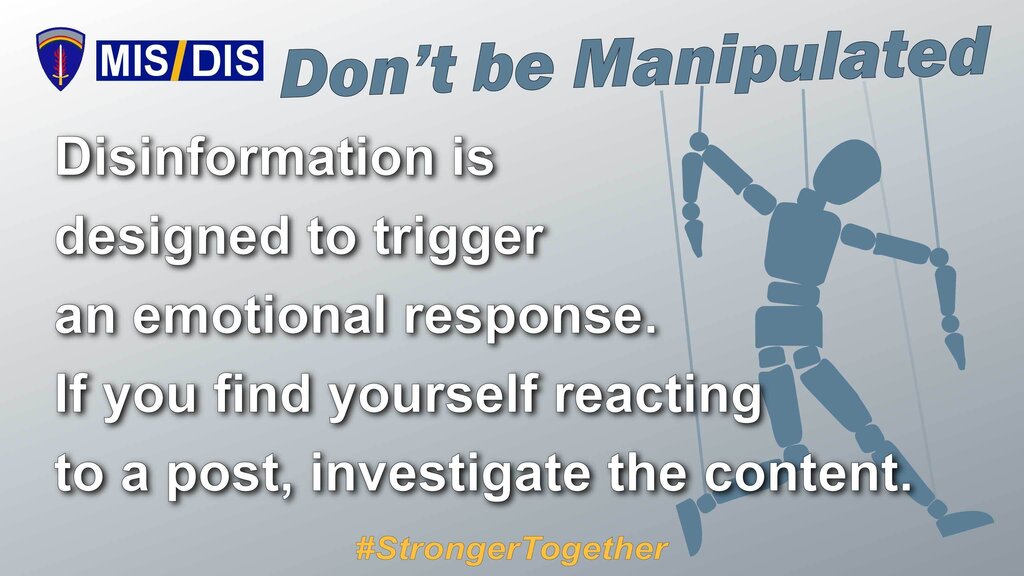
Understanding what dark patterns are is the first step toward recognizing them. By learning to spot these deceptive designs, you can make more informed choices online and protect yourself from manipulation. For designers and developers, recognizing these patterns is fundamental to building ethical products that foster long-term loyalty instead of short-term gains.
What is the key factor that distinguishes a dark pattern from a poorly designed user interface?
Who first coined the term 'dark pattern' in 2010?