Spotting Ponzi Schemes
Introduction to Investment Fraud
Understanding Investment Fraud
Investment fraud is a deceptive practice that uses false or misleading information to lure investors into making financial decisions. At its core, it’s a lie told to get your money. Fraudsters might offer investments in things that don't exist, are completely worthless, or are structured solely to enrich themselves at the expense of their victims.
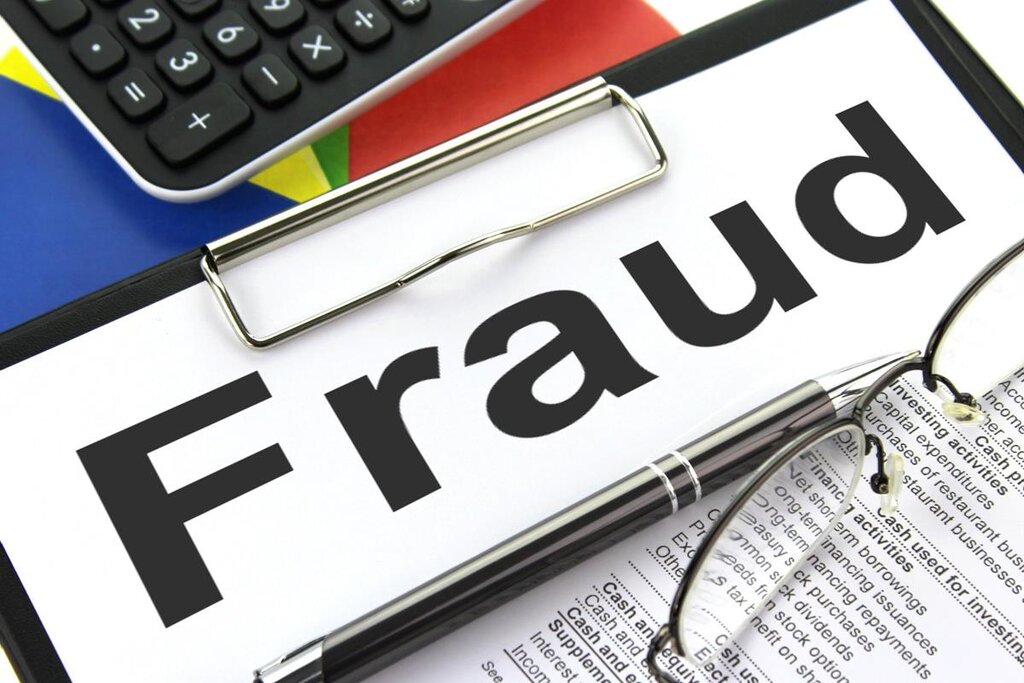
Fraud
noun
Wrongful or criminal deception intended to result in financial or personal gain.
These schemes can be complex and convincing, often preying on a desire for quick, high returns. They come in many shapes and sizes, but they all share the common thread of deception.
Common Types of Fraud
While fraudsters are always inventing new tricks, many scams fall into a few common categories. Recognizing these patterns is the first step toward protecting yourself.
-
Pump-and-Dump Schemes: Scammers artificially inflate the price of a stock (the "pump") by spreading false positive news. Once the price is high, they sell their own shares (the "dump"), causing the price to plummet and leaving other investors with worthless stock.
-
High-Yield Investment Programs (HYIPs): These are unregistered investments, often promoted online, that promise incredibly high returns with little or no risk. The underlying business is usually fictional or unsustainable.
-
Advance-Fee Fraud: This scam convinces a victim to pay a small upfront fee in exchange for a much larger sum of money later. The promised payout never materializes, and the fraudster disappears with the fee.
-
Pyramid Schemes: These schemes generate returns for early participants by recruiting new members. The focus is on recruitment, not on selling a real product or service. The structure is unsustainable and inevitably collapses, leaving the newest members with significant losses.
No matter the specific tactic, the result is the same: the investor's money flows in one direction, and it doesn't come back. The promised business venture, high returns, or secret formula was never real.
The Ripple Effect of Fraud
The impact of investment fraud goes far beyond a single lost investment. For individuals, the consequences can be devastating. Victims often lose life savings, retirement funds, or money set aside for their children's education. The emotional toll, including feelings of shame and a loss of trust, can be just as damaging as the financial loss.
The damage doesn't stop there. Widespread fraud erodes public trust in the financial markets. When people fear being scammed, they become hesitant to invest at all. This hurts legitimate businesses that rely on investors to grow and create jobs, ultimately slowing down the entire economy.
If an investment opportunity sounds too good to be true, it almost always is. Pause and ask questions.
Now let's check your understanding of these foundational concepts.
What is the fundamental element shared by all types of investment fraud?
An influencer starts heavily promoting a little-known stock, causing its price to skyrocket. After the price peaks, the influencer sells all their shares, and the price plummets, leaving other investors with major losses. What type of scheme is this?
Understanding what investment fraud is and the forms it can take is a key step in becoming a more savvy and secure investor.