Spotting Media Bias
Understanding Media Bias
The Slant in the Story
News isn't just a list of facts. It's a story told from a certain point of view. Media bias is the tendency of journalists and news outlets to select and frame stories based on a particular perspective. It doesn't necessarily mean they're lying. It's more about the choices they make: which stories to cover, which experts to interview, and which words to use.
Think of it like two friends describing the same concert. One might focus on the amazing guitar solos and energetic crowd. The other might complain about the long lines and overpriced food. Both are telling their version of the truth, but their stories paint very different pictures. Media outlets do the same thing.
Bias
noun
A tendency or preference toward a particular perspective or ideology, especially one that prevents impartial judgment.
Bias isn't always obvious or intentional. It can creep into reporting in subtle ways. Understanding these patterns is the first step to becoming a more critical news consumer.
Common Forms of Bias
Media bias isn't a single thing. It appears in several distinct forms, each shaping the news in a different way.
Selection bias is about what's left out. A news organization practices selection bias when it consistently chooses to report on certain types of stories while ignoring others. This can create a distorted view of reality.
For example, a local news channel might run nightly stories about crime in a specific neighborhood but never report on the new businesses opening there or the successful community events. Over time, viewers would likely develop a negative and incomplete perception of that neighborhood. The crime reports aren't false, but they aren't the whole story.
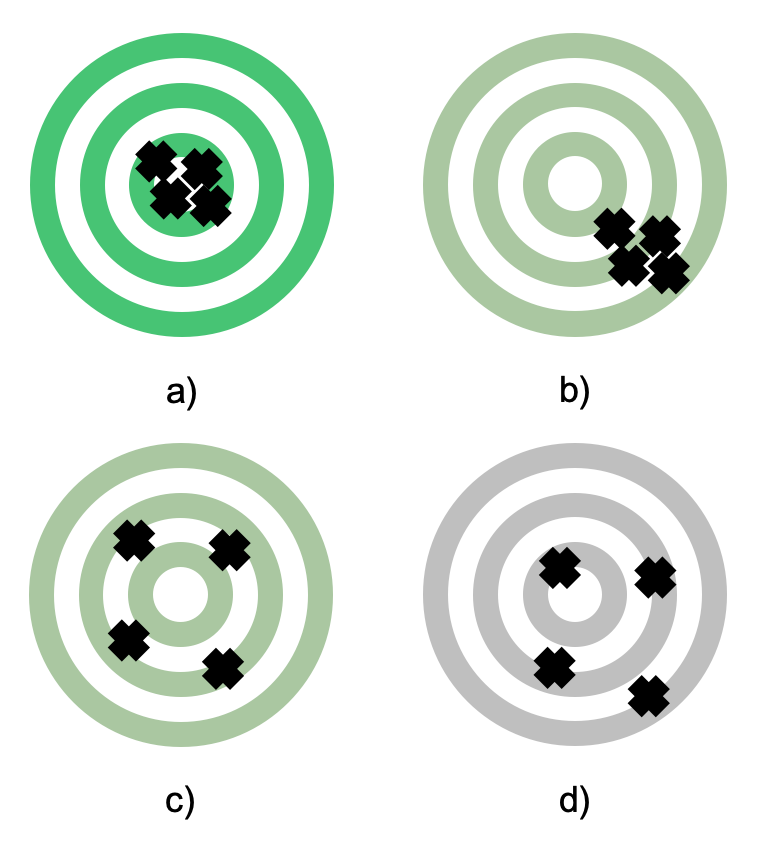
Another powerful force is confirmation bias. This is our natural human tendency to seek out and favor information that confirms what we already believe. News outlets can cater to this by presenting stories and viewpoints that they know their target audience agrees with. This keeps viewers and readers engaged, but it can also trap them in an "echo chamber," where their own views are constantly reinforced and rarely challenged.
Finally, there's the appeal to emotion. This happens when a story is presented in a way that's meant to provoke a strong emotional response, like fear, anger, or joy. The goal is to get you to feel something, rather than just think. Emotionally charged language and dramatic imagery are common tools for this type of bias.
Consider two headlines about the same new law:
- "New Bill Adjusts Regulations for Local Businesses"
- "New Law Crushes Small Businesses with Red Tape"
The first headline is neutral. The second uses loaded words like "crushes" and "red tape" to create a sense of outrage and injustice.
Shaping Our Worldview
The impact of media bias is significant. It shapes not only our opinions on specific issues but also our fundamental understanding of the world. When we are consistently exposed to a single, biased perspective, it can feel like the only perspective.
This can lead to a more polarized society, where different groups of people are operating with completely different sets of information. It can make it harder to find common ground or have productive conversations about important topics. If one group's news sources are constantly highlighting a problem and another group's sources are ignoring it, they will struggle to even agree that the problem exists.
Public opinion is shaped by the information news media provide, and that information in turn may be shaped by the ideological preferences of media outlets.
Recognizing that all news comes with some degree of bias is not about becoming cynical or distrusting everything. It's about becoming a more active and thoughtful reader. It empowers you to look beyond the headlines and question the stories being told.