Spotting Logical Fallacies in Politics
Introduction to Logical Fallacies
What Are Logical Fallacies?
A logical fallacy is an error in reasoning. It’s a flaw that weakens an argument, making it unsound. Even if the conclusion of an argument happens to be true, the presence of a fallacy means the argument itself doesn't actually prove it.
Think of it like building a house. Your conclusion is the roof, and your reasons are the walls and foundation. If your reasons are flawed, it’s like using cracked bricks or rotting wood. The house might stand for a little while, but it isn’t structurally sound. A strong gust of wind—or a little critical thinking—could knock it right over.
fallacy
noun
A mistaken belief, especially one based on unsound argument.
A fallacious argument is one where the conclusion doesn't logically follow from the premises, or supporting statements.
Why Bother Learning Fallacies?
Recognizing logical fallacies is a superpower. It helps you cut through the noise and evaluate what people are actually saying, not just how they’re saying it. When you can spot a faulty argument, you’re less likely to be persuaded by misleading claims or emotional appeals that lack real substance.
This skill is crucial for making informed decisions, from everyday choices to bigger questions about society and governance. It sharpens your critical thinking and makes your own arguments stronger and more coherent.
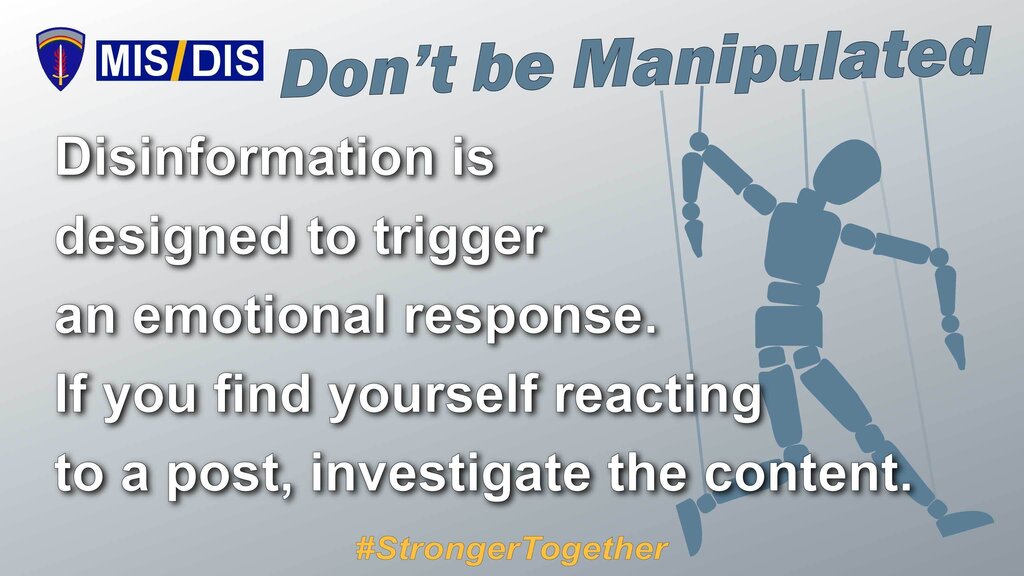
Fallacies in the Political Arena
Politics is a battlefield of ideas, and not all the weapons used are sound. Logical fallacies are incredibly common in political debates, speeches, and advertising. They can be used to make a weak position seem strong, to attack an opponent's character instead of their argument, or to stir up emotions to sway public opinion.
When fallacies go unchecked, they can distort public understanding of important issues. A policy might gain support not on its merits, but because of a clever and misleading argument. By learning to identify these errors, you can better analyze political discourse and hold leaders accountable for the logic behind their claims.
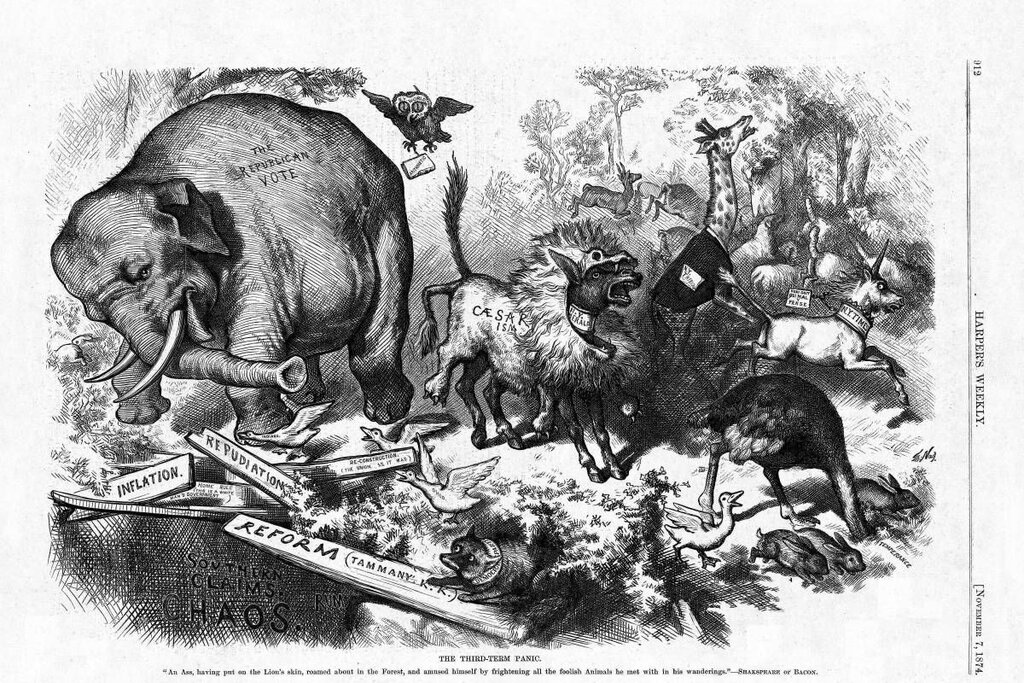
Once you know the most common logical fallacies, you’ll start to notice them constantly.
Becoming familiar with these common pitfalls in reasoning is the first step toward becoming a more discerning citizen and a clearer thinker. It equips you to engage with complex topics and see beyond the surface of a debate.