Spotting Fallacies in Political Debates
Introduction to Logical Fallacies
Arguments That Fall Apart
An argument is like a chain. For it to be strong, every link needs to be solid. A logical fallacy is a broken link. It's an error in reasoning that makes an argument invalid, even if the conclusion happens to be true. The structure of the argument itself is flawed.
Think of it this way: if you build a house on a shaky foundation, it doesn't matter how nice the walls and roof are. The whole structure is unreliable. Logical fallacies are those shaky foundations in the world of ideas. They are attempts to persuade that crumble under inspection.
A logical fallacy is a flaw in reasoning that weakens an argument or renders it invalid.
Learning to spot these fallacies is a core part of thinking critically. It helps you see past persuasive language and evaluate an argument based on its actual merit. When you can identify a weak link in the chain, you're less likely to be misled by faulty reasoning, whether it comes from an advertisement, a news report, or a friend.
Fallacies in the Wild
Logical fallacies are everywhere because they often work. They can be very persuasive, appealing to our emotions, biases, or sense of identity. An argument might sound convincing on the surface, but a closer look reveals there's no real substance connecting the evidence to the conclusion.
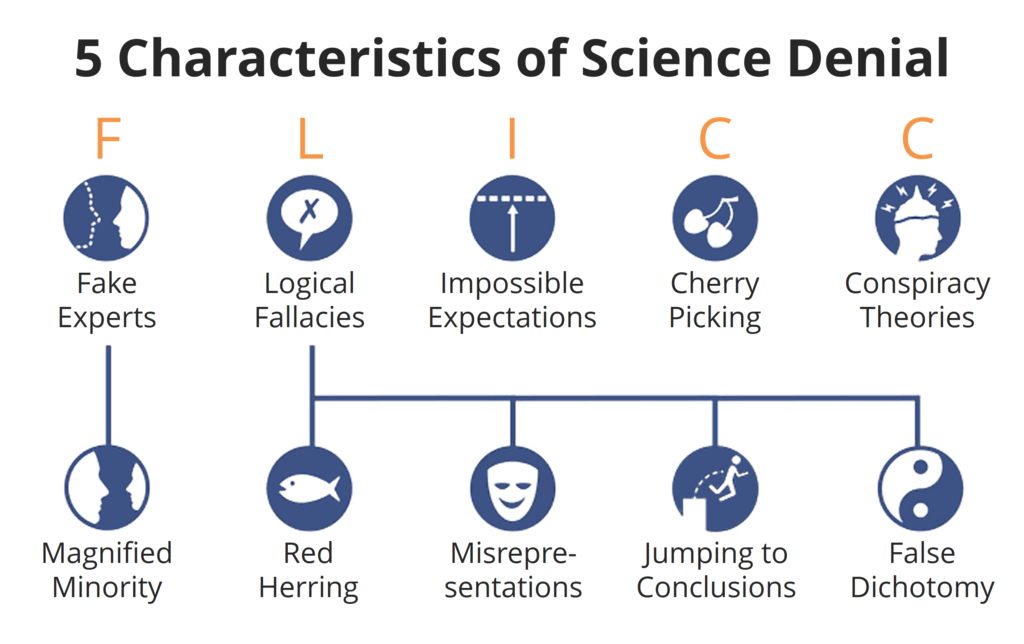
This is especially true in political debates. When the goal is to win votes and influence public opinion, arguments aren't always built on solid logic. A politician might attack an opponent's character instead of their policy, or present only two options for a complex issue when many more exist. These tactics can be powerful tools for shaping public perception.
By using flawed reasoning, a speaker can make their position seem stronger and an opponent's seem weaker. They can stir up emotions to distract from a lack of evidence. The result is that important decisions can be made based on arguments that are fundamentally broken. Recognizing these tactics is the first step toward having more productive conversations and making more informed choices, both in politics and in everyday life.
As young people engage in conversations about political, social or cultural issues, they need to be able to recognize logical fallacies — not just when others use them, but when they’re framing their own arguments.
Now that you understand what fallacies are and why they matter, let's test your knowledge.
What is the primary characteristic of a logical fallacy?
Using the analogy of a house, a logical fallacy is like a...