Spotting Fallacies in Political Debates
Introduction to Logical Fallacies
Arguments That Don't Add Up
An argument is like a building. For it to be strong and stand tall, it needs a solid foundation and sound structure. The conclusion should rest securely on the evidence, or premises, that support it. But what happens when the structure is weak? The whole thing collapses.
Logical fallacies are these structural weaknesses in an argument. They are errors in reasoning that make an argument invalid, even if the conclusion happens to be true. They're like cracks in the foundation, making the argument unsound.
Fallacy
noun
A mistaken belief, especially one based on an unsound argument.
Fallacies are surprisingly common. Sometimes people use them by accident, without realizing their logic is flawed. Other times, they are used intentionally to mislead or persuade people by bypassing logical reasoning. They often sound convincing on the surface, which is why they can be so effective and dangerous.
Why Spotting Fallacies Matters
Learning to recognize logical fallacies is a superpower for clear thinking. It helps you look past the persuasive surface of an argument and examine its core. When you can spot a fallacy, you can better judge the quality of the information you're receiving every day—from news articles and advertisements to conversations with friends.
Identifying flawed reasoning protects you from being misled and helps you build stronger, more honest arguments of your own.
This skill is especially crucial when listening to political debates. Politicians often need to make a case for complex issues in a short amount of time. To win over an audience, they might use arguments that appeal to emotion, misrepresent their opponent's position, or distract from the central topic. These are all common fallacious tactics.
Some politicians use fallacies all the time, all use them some of the time: to deflect and distract and to win arguments, rather than deal head-on with difficult policy issues.
Being able to identify these fallacies allows you to cut through the noise and focus on the substance of the debate. It helps you make more informed decisions based on solid reasoning rather than emotional manipulation.
A Preview of Flawed Arguments
There are many different kinds of logical fallacies, but they often fall into predictable patterns. You don't need to memorize every single one to start spotting them. Some common tactics you might see in political discussions include:
- Attacking the person: Criticizing the person making an argument instead of the argument itself.
- Misrepresenting the argument: Twisting or exaggerating an opponent's position to make it easier to attack.
- Creating a false choice: Presenting only two options as the only possibilities, when in fact other alternatives exist.
- Appealing to emotion: Using emotionally charged language to persuade the audience, rather than providing evidence.
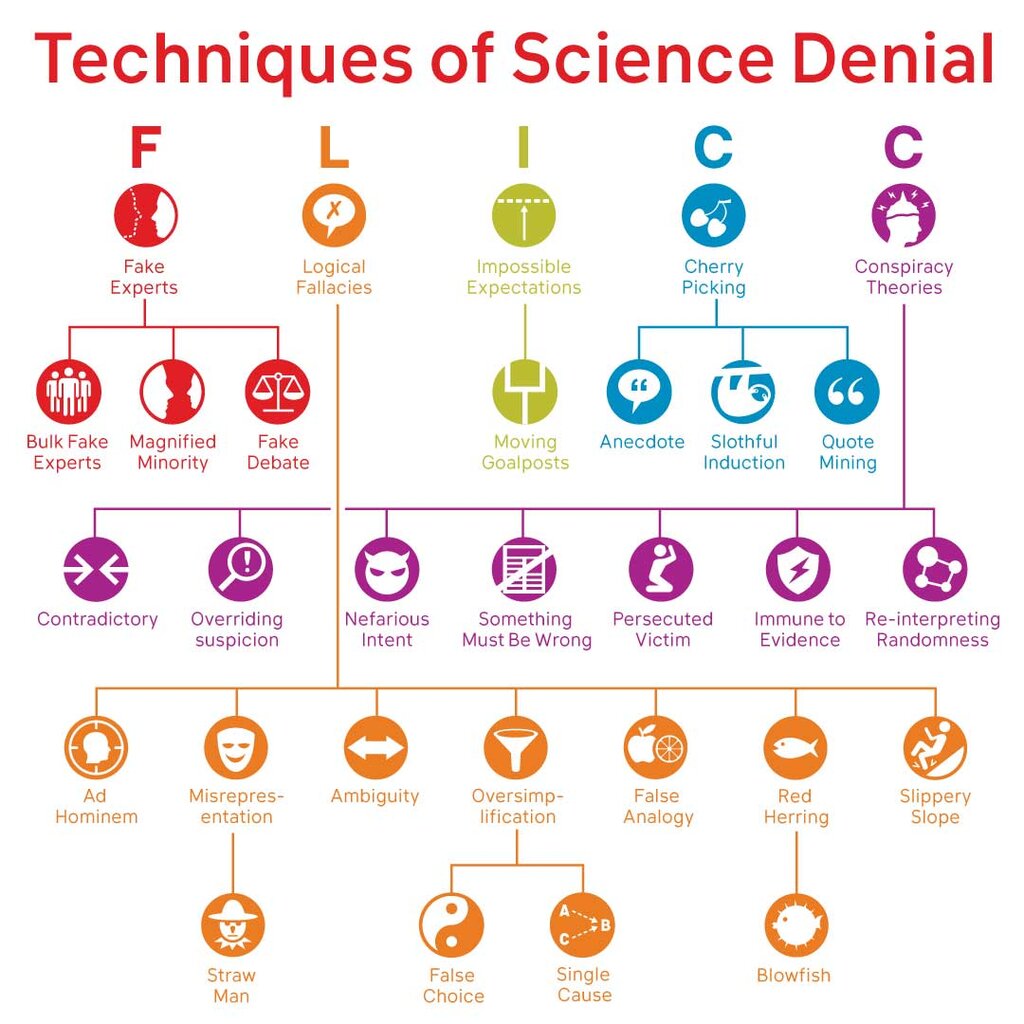
Recognizing these patterns is the first step. By understanding what a logical fallacy is and why it matters, you're better equipped to analyze arguments and think critically. In the next sections, we'll dive into specific fallacies you're likely to encounter.
What is a logical fallacy?
A politician says, "We can either cut funding for education or face economic collapse." This is an example of which fallacy?