Spotting Fallacies in Political Debates
Introduction to Logical Fallacies
The Architecture of Arguments
An argument is like a structure. It has a foundation of premises that support a conclusion. For the argument to be sound, the structure must be solid. But sometimes, an argument that looks convincing on the surface has a hidden flaw in its construction. This flaw is a logical fallacy.
A logical fallacy is an error in reasoning that makes an argument invalid. It's a breakdown in the logic that connects the evidence to the conclusion.
These errors aren't about factual mistakes, like getting a date wrong. Instead, they're about how the pieces of an argument are put together. An argument can be built on true statements but still be fallacious because the conclusion doesn't logically follow from them. The structure is weak, even if the building materials are good.
Why Spotting Fallacies Matters
We are surrounded by attempts to persuade us every day. Advertisers, politicians, and even our friends use arguments to influence our thoughts and actions. Learning to recognize logical fallacies is a critical skill for navigating this landscape. It's like having a toolkit for inspecting the arguments you encounter.
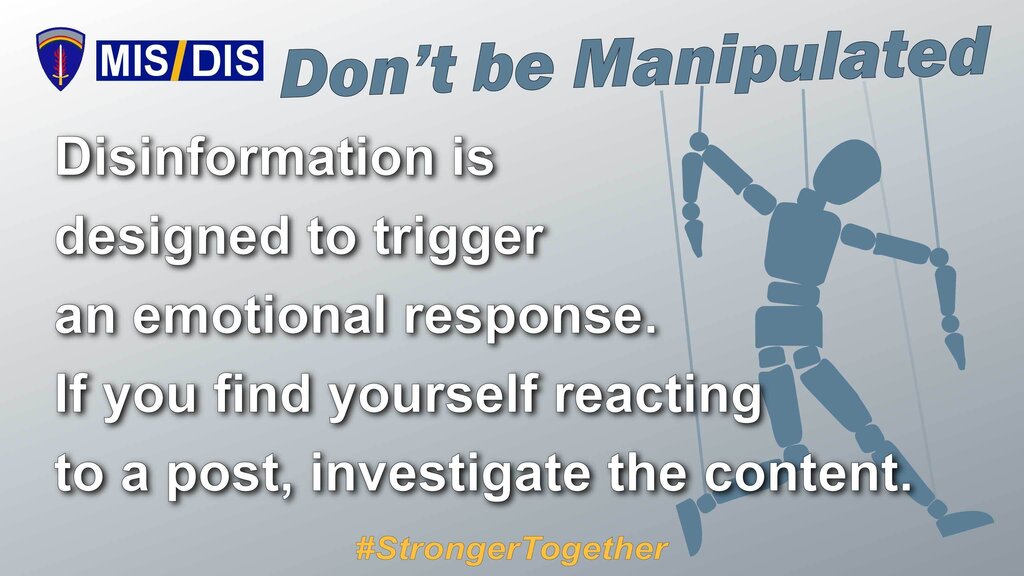
When you can spot a fallacy, you can see the crack in an argument's foundation. This protects you from being misled by faulty reasoning. It helps you distinguish between a well-reasoned point and a clever trick designed to win you over. This is especially important in civic life, where the quality of public debate and decision-making depends on sound arguments.
As young people engage in conversations about political, social or cultural issues, they need to be able to recognize logical fallacies — not just when others use them, but when they’re framing their own arguments.
Recognizing fallacies isn't just about critiquing others; it's also about strengthening your own thinking. By understanding common errors in reasoning, you can avoid them in your own arguments, making your communication clearer, more logical, and more persuasive.
The Impact on Decision-Making
Faulty arguments lead to poor decisions. If we accept a conclusion based on a fallacy, our understanding of the world is distorted. We might support a policy, buy a product, or adopt a belief based on reasoning that doesn't hold up to scrutiny.
By mastering the ability to identify these logical errors, you equip yourself to engage more thoughtfully with complex issues. You can cut through the noise and evaluate claims based on the quality of the reasoning behind them, not just how persuasive they sound. This skill is fundamental to clear thinking and making informed choices.