Spotting Fallacies in Political Debates
Introduction to Logical Fallacies
Arguments That Don't Add Up
Every day, we're surrounded by people trying to convince us of something. Advertisers want us to buy their products. Pundits want us to adopt their worldview. Politicians want our vote. They all build arguments to make their case, presenting reasons why we should agree with them.
But not all arguments are created equal. Some are solid and logical, with conclusions that follow directly from the evidence. Others, however, can seem persuasive on the surface but have a fatal flaw hiding in their structure. These faulty arguments are like a beautiful-looking chair with a cracked leg. It might look sturdy, but the moment you put any weight on it, it collapses.
Logical Fallacy
noun
An error in reasoning that makes an argument invalid. It's a flaw in the structure of an argument, not a factual error.
Fallacies are tricks of logic. Sometimes they're used by accident, when a speaker's reasoning is simply sloppy. But often, they are used intentionally to manipulate an audience, distract from the real issue, or make a weak case seem strong. They prey on our biases and emotions, bypassing the part of our brain that demands good evidence.
Logical fallacies are errors in reasoning that weaken arguments.
Why Spotting Fallacies Matters
Recognizing logical fallacies is a critical skill for navigating the modern world, especially the world of politics. Political debates are a battleground of ideas where every word is chosen to persuade. When candidates debate, they aren't just presenting facts; they are constructing arguments designed to win you over.
If we can't spot the faulty logic, we might be swayed by an argument that sounds good but has no real substance. It's like being a detective at a crime scene. You have to look past the surface-level story and examine the evidence. Does it actually support the conclusion? Or is there a logical leap, a distraction, or an emotional appeal standing in for real reasoning?
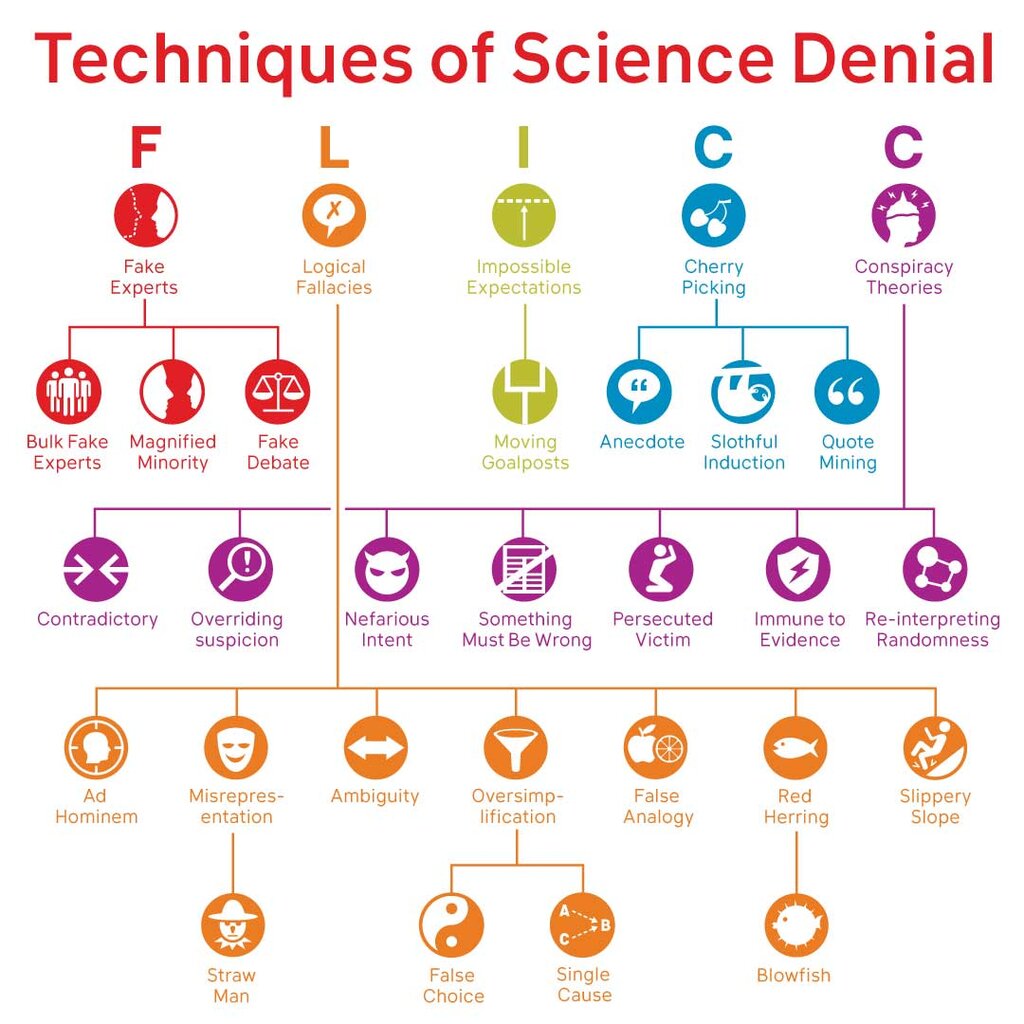
When a large portion of the public is taken in by a fallacious argument, it can have massive consequences. Public opinion can be shaped by misinformation and poor reasoning, leading people to support or oppose candidates and policies for the wrong reasons.
A public that can't think critically is a public that can be easily manipulated. Flawed arguments, when they go unchallenged, can lead directly to flawed policies.
From Debate to Decision
The path from a political debate to a new law is shorter than you might think. Imagine a candidate argues that we must pass a certain law to prevent a scary, but unlikely, event. They don't offer much evidence, but they tell a powerful story that taps into people's fears.
This argument is a fallacy—an appeal to emotion—but it works. The public becomes convinced that the law is necessary. Poll numbers shift, and politicians, seeing the change in public opinion, feel pressured to act. The law is passed, not because it was based on sound evidence and logic, but because of a cleverly deployed fallacy.
This is why understanding the basics of logical reasoning is so important. It empowers you to see through the noise. It helps you evaluate arguments based on their merits, make informed decisions as a voter, and hold leaders accountable for the logic they use to justify their actions.
Learning to identify these fallacies is the first step toward becoming a more discerning citizen and a more effective debater yourself.