Spotting Fallacies in Political Debates
Introduction to Logical Fallacies
What Are Logical Fallacies?
A logical fallacy is an error in reasoning. Think of it like a crack in the foundation of a house. The house might still look fine from the outside, but its structure is weak. Similarly, an argument with a fallacy might sound persuasive, but it's built on faulty logic.
Logical fallacies are errors in reasoning that weaken arguments.
These flaws can be subtle. Sometimes people make them by accident, out of habit or lack of careful thought. Other times, they are used intentionally to manipulate or mislead an audience. Either way, they weaken the argument's validity.
fallacy
noun
A mistaken belief, especially one based on unsound argument.
Why Spotting Fallacies Matters
Recognizing logical fallacies is a crucial skill for thinking clearly. It helps you cut through the noise and evaluate information on its own merit. When you can spot a weak argument, you're less likely to be persuaded by flawed reasoning, whether you're reading the news, listening to an ad, or just talking with a friend.
This skill isn't just academic. It empowers you to make better, more informed decisions in your daily life. It helps you question claims, demand better evidence, and build stronger arguments of your own.
Identifying logical fallacies involves careful analysis of arguments to determine whether their conclusions are justified by the provided premises.
Fallacies in the Political Arena
Political debates are a hotbed for logical fallacies. The stakes are high, and the goal is often to win over public opinion, sometimes by any means necessary. A politician might use a fallacy to attack an opponent, simplify a complex issue, or stir up emotions in the audience.
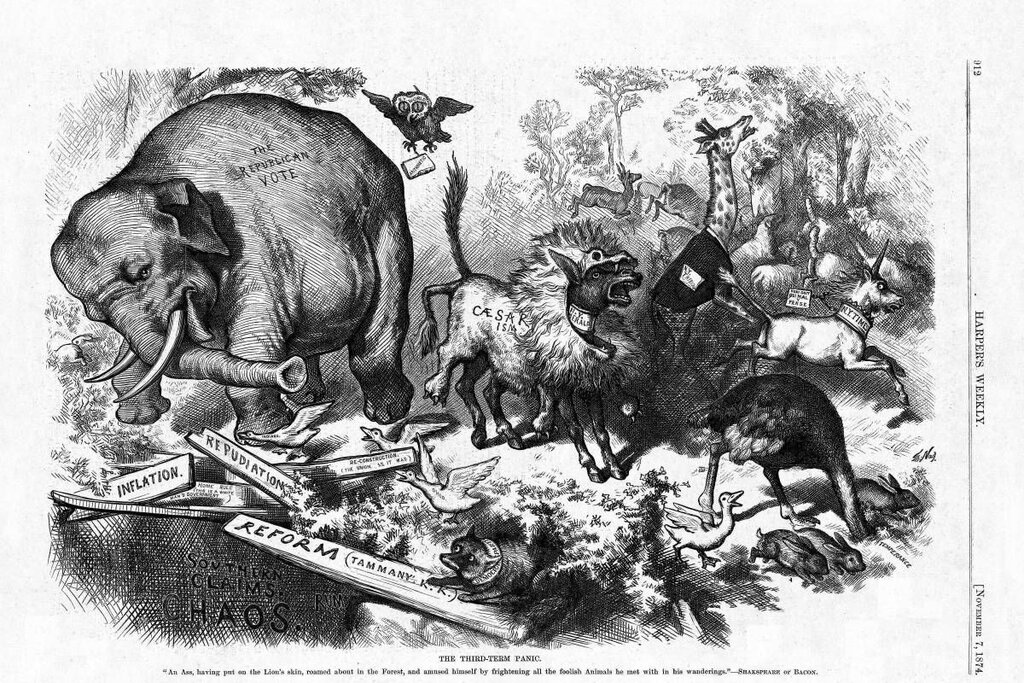
When these flawed arguments go unchallenged, they can shape public discourse and influence policy decisions. Voters might be swayed by an emotional appeal rather than a logical one, or they might accept a misleading claim at face value.
Learning to identify these tactics is a powerful tool for any citizen. It allows you to see past the rhetoric and focus on the substance of a debate. It helps you hold leaders accountable for the quality of their arguments and fosters a more thoughtful discussion of important issues.
Some politicians use fallacies all the time, all use them some of the time: to deflect and distract and to win arguments, rather than deal head-on with difficult policy issues.
Ready to test your understanding of these foundational concepts?
What is the best definition of a logical fallacy?
According to the text, why is identifying logical fallacies a useful skill for citizens?
Now that we've covered the basics, you're better equipped to analyze the arguments you encounter every day. In the next section, we'll start exploring specific types of fallacies.