Spotting Fallacies in Political Debates
Introduction to Logical Fallacies
Arguments That Don't Add Up
An argument can sound convincing on the surface, but that doesn't mean it's solid. Sometimes, the reasoning used to get from a starting point to a conclusion is flawed. This kind of error in reasoning is called a logical fallacy.
A logical fallacy is a defect in an argument's structure that makes it invalid. The conclusion doesn't logically follow from the statements that came before it, even if those statements are true.
Think of it like building a piece of furniture. You might have all the right parts: sturdy wooden legs and a smooth tabletop. But if you connect them incorrectly, the table will be wobbly and unstable. It can't support any weight. Similarly, an argument built with faulty logic can't support its conclusion.
Why Spotting Fallacies Matters
Learning to recognize logical fallacies is a core part of critical thinking. It's like having a filter that helps you separate strong arguments from weak ones. When you can spot a fallacy, you're less likely to be persuaded by flawed reasoning, whether it's in an advertisement, a news article, or a conversation with a friend.
As young people engage in conversations about political, social or cultural issues, they need to be able to recognize logical fallacies — not just when others use them, but when they’re framing their own arguments.
This skill isn't just about winning debates. It's about making better decisions. By evaluating the logic behind a claim, you can form more informed opinions and avoid being swayed by manipulation. It helps you see when someone is trying to distract you or appeal to your emotions instead of your reason.
Fallacies and Public Opinion
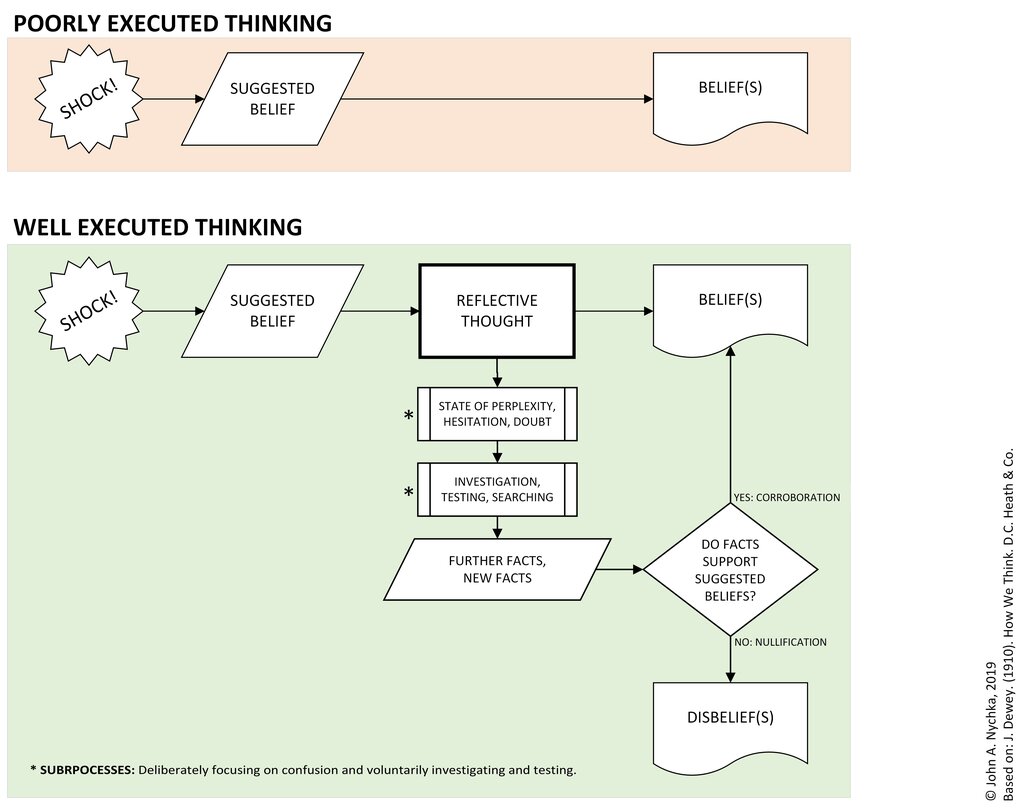
Logical fallacies are especially common in public discourse, particularly in politics. They can be powerful tools for shaping public opinion. An argument that triggers a strong emotional response can be very persuasive, even if it's logically unsound. When these fallacies go unchallenged, they can lead large groups of people to support ideas or policies based on faulty premises.
By bypassing logical reasoning, fallacious arguments can simplify complex issues and create a false sense of certainty. This can short-circuit productive debate and make it harder to find common ground or effective solutions. Understanding how these fallacies work is the first step toward promoting more thoughtful and constructive conversations.
What is a logical fallacy?
Based on the text's analogy, a logical fallacy is most like...